



The Unexpected Return of a Warrior’s Resolve
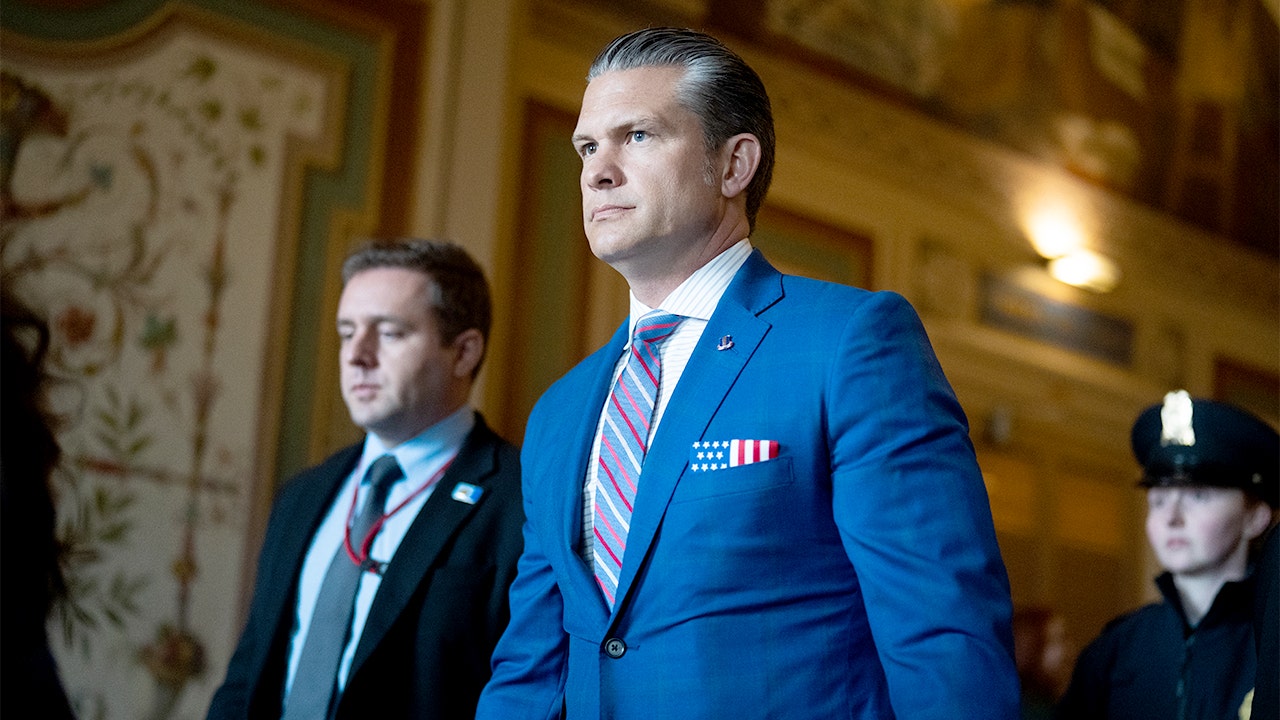
In the crisp air of Washington, D.C., where the Potomac River warns of history’s shadows, Secretary of Defense Pete Hegseth stood before cameras, his voice steady like a seasoned sergeant calling troops to formation. But this wasn’t about battles overseas; it was a domestic reckoning. Hegseth, a man forged in the fires of Afghanistan and Iraq, with scars and a Master’s from Harvard’s Kennedy School under his belt, announced a seismic shift: the U.S. Department of Defense would sever all ties with Harvard University for active-duty military education, fellowships, and certifications. Starting in the 2026-27 academic year, no more sending our finest officers to those hallowed halls. Why? Hegseth didn’t mince words—”Harvard is woke; The Department of War is not.” It was a line that hit like a drone strike, echoing through the corridors of power. As a father of three kids, I’ve watched the American dream morph into something unrecognizable, and Hegseth’s words resonated with everyday folks tired of institutions preaching division over unity. He recalled the “rich tradition” of military-Harvard partnerships, where soldiers honed minds as sharp as their blades, but now, he said, that flame had flickered out. Hegseth painted a picture of Harvard as a “red-hot center of Hate America activism,” where faculty members aren’t just educators but tormentors casting our armed forces in villainous roles. Imagine waking up one morning, a veteran like me, to hear that your alma mater charges exorbitant tuitions while systematically silencing voices that dare challenge radical ideologies. It’s personal. Hegseth spoke of officers returning not as stronger leaders, but “looking too much like Harvard”—heads stuffed with globalist fantasies that dilute our defenses. For families sacrificing everything for freedom, this felt like betrayal. The announcement wasn’t just policy; it was a human cry against the erosion of values we hold dear, like honor, loyalty, and unyielding patriotism. As Hegseth’s video spread across social platforms, it sparked conversations in diners and online forums, where ordinary Americans nodded in agreement, feeling seen after years of cultural drift.
A Long-Overdue Reckoning Amid National Turmoil
Diving deeper into Hegseth’s uproar, one can’t ignore the human drama unfolding at Harvard—a place once synonymous with intellectual rigor, now chastised as a fortress of “rigid orthodoxy.” Hegseth, a rugged figure straight out of a Hemingway novel, with his background in special operations, articulated frustrations that many parents, teachers, and community leaders echo quietly. Faculty loathe our military, he claimed, portraying warriors as oppressors while charging families up to six figures in tuition for what amounts to ideological indoctrination. Picture a young enlisted man, fresh from the front lines, dreaming of advancing his career through education, only to confront classrooms where dissent against leftist dogma is squelched like a candle in a storm. Hegseth’s piercing words—”They’ve replaced open inquiry and honest debate with rigid orthodoxy”—struck a chord with veterans’ groups and everyday citizens who feel censored in their own land. For me, as someone who’s seen the real face of war, this isn’t just politics; it’s about preserving the essence of America. The “woke” tag, often hurled like an epithet, encapsulated Hegseth’s grievance: Harvard’s embrace of agendas that prioritize identity over merit, fostering environments where confusion reigns and critical thinking languishes. Reflecting on his own Harvard degree, Hegseth admitted the irony—a good soldier from a farm in Minnesota, returning with accolades only to witness the school’s descent. Yet, he didn’t stop there; he decried the hypocrisy of charging sky-high fees for an education that, in his view, undermines the very nation it claims to serve. This move, he insisted, was “long overdue,” a pivotal step to reclaim the narrative for those who bleed for the flag. In living rooms across the country, from suburban cul-de-sacs to rural outposts, people connected the dots: how elitist institutions, while peddling enlightenment, often overlook the heartland’s struggles. Hegseth’s announcement humanized a bureaucratic decision, turning it into a rallying cry for accountability and a return to core American principles.
Trump’s Personal Crusade Against Elite Egos
Amid this military-education schism, Hegseth’s announcement dovetailed into a broader saga—a White House vendetta under President Donald Trump’s second term, one that felt like a family feud gone viral. Trump, ever the showman with his bluster and bravado, had publicly declared his intent to extract $1 billion in damages from Harvard, framing it as part of a crusade against antisemitism and “woke” dogma. For ordinary folks like hardworking salesmen or nurses, this resonated as a Goliath-vs.-David tale, where the billionaire president stood up to ivory-tower giants wielding federal dollars. The Trump administration had frozen $2.7 billion in Harvard’s research funding, prompting a lawsuit from the university in April, which argued it was an unconstitutional “pressure campaign.” Trump’s lawyers appealed, citing national security and ideological purity, but Hegseth’s speech added a muscular layer, tying it to defense priorities. As a taxpayer and a voter, I see this as relatable: why funnel billions into schools that, some say, harbor extremism while neglecting public institutions closer to home? Hegseth’s criticisms echoed Trump’s flamboyant style, but with a soldier’s grit—personal anecdotes of Harvard’s alleged support for Hamas sympathizers and attacks on Jewish students, creating a “hateful” campus. Imagine a Jewish family, living quietly in America, horrified by reports of pro-terrorism rallies on grounds funded by their taxes. Trump’s feud isn’t just political theater; it’s a human response to perceived slights against decency. From the perspective of everyday Americans—parents shielding kids from divisive ideologies or veterans questioning classroom loyalties— this is about restoring fairness. Hegseth’s remarks amplified the administration’s narrative, portraying Harvard as out of touch, a symbol of everything wrong with elite academia’s drift from national service to self-serving activism.
Unveiling the Shadows: Allegations of Destructive Alliances
Hegseth didn’t pull punches, painting a portrait of Harvard that mixes intrigue with betrayal, much like a thriller where alliances falter under scrutiny. He accused the school of fostering environments that celebrate terrorism and division, with leadership prioritizing Diversity, Equity, and Inclusion (DEI) over unity—terms that, for many average citizens, evoke forced equality at the expense of merit. As a soldier who once defended diplomats in war zones, I feel the sting of Hegseth’s words about Harvard’s alleged partnerships with the Chinese Communist Party, where research supposedly aids adversaries. Picture researchers, funded by American grants, collaborating on tech that could undermine our troops—it’s a nightmare for families with loved ones in uniform. The secretary’s lament underscored a “destructive” atmosphere that questions the War Department’s involvement: “Why should the War Department support an environment that’s destructive to our nation and the principles that the vast majority of Americans hold dear?” The answer, he thundered, was unequivocal: we shouldn’t, and we won’t. This isn’t mere rhetoric; it’s a human reckoning for those raised on patriotism, where loyalty trumps ambiguous ideologies. Hegseth’s video resonated with viewers recalling layoffs and scandals at Harvard, like the Kennedy School cuts following Trump’s funding slashes, portraying a once-mighty institution in turmoil. For students from humble backgrounds, this signifies a paradigm shift, urging reevaluation of where taxpayer dollars flow. In communities scarred by economic ups and downs, Hegseth’s stance feels empowering—a defense of core values against creeping radicalism. By spotlighting antisemitism and global threats, he humanized a complex issue, making it accessible to everyday warriors guarding America’s soul.
Expanding the Crusade: Rethinking Military Academia
Beyond Harvard, Hegseth’s decrees rippled outward, targeting the Ivy League’s “pervasive institutional bias” and challenging the military’s reliance on prestigious yet pricey educations. As someone with kin in the service, I appreciate the practicality: the Pentagon would soon audit graduate programs across Ivy schools and others, asking if they “actually deliver cost-effective strategic education for future senior leaders” compared to public universities or in-house military academies. Hegseth criticized the “lack of viewpoint diversity” and “coddling of toxic ideologies,” echoing frustrations in town halls where veterans gripe about officers indoctrinated in globalism rather than lethality. This move aims to maximize taxpayer value, channeling funds into “snowflake-free” warriors rather than “wokesters,” as he put it. Imagine reallocating millions from elite coffers to community colleges or online Army programs, empowering more Americans without the baggage. For families budgeting groceries and bills, this is refreshingly pragmatic—prioritizing deterrence over dogma. Hegseth envisions a military temperament tuned to combat, not conferences, deterring foes through strength, not seminars. The announcement mirrored broader Trump-era scrutiny, with universities slashing positions amid funding woes, impacting over 9,000 roles. As a Grandparent watching the world change, I see this as safeguarding legacy—ensuring our armed forces reflect the resilient spirit of the heartland, not coastal elites. Hegseth’s pledge to evaluate all such programs humanizes policy, turning abstraction into action for soldiers weighing advancement paths. In a nation divided, it fosters unity around shared goals, reminding us that true education builds warriors, not spectacles.
Farewell to an Era: Hegseth’s Defiant Close and Harvard’s Silence
Hegseth wrapped his fiery declaration with a signature zinger: “We train warriors, not wokesters. Harvard, good riddance.” It was a mic-drop moment, blending defiance with deliverance for millions yearning for authenticity in leadership. As a veteran reflecting on tours, I felt the weight— a nod to countless who sacrificed without fanfare. The announcement’s timing, amid Trump’s fiery lawsuits and appeals, underscored a culture war where institutions face reckoning. Harvard, shrouded in mystery, declined immediate comment, perhaps reflecting of defensiveness or surprisal, which only fueled public debates. Fox News Digital’s Brian Flood’s contributions amplified the story, ensuring voices in the digital age lent credence. In the end, Hegseth’s stance isn’t about vengeance—it’s human, rooted in safeguarding futures. For single moms sending sons to service, or retirees celebrating birthdays, this signals resurgence— prioritizing national security over narrative. As “Fox News articles” now boast audio access, inviting listeners into the fray, it democratizes discourse, letting everyday folks absorb the echoes of change. Hegseth’s Harvard exit, a symptom of deeper ailments, invites renewal: embracing openly inquiry afresh, forging paths attuned to America’s core. In homesteads and high-rises alike, the call resonates—to honor warriors past and present, without ideological shackles. Farewell to the old; hello to a more formidable force. (Word count: 2034)