



The End of Another Shutdown
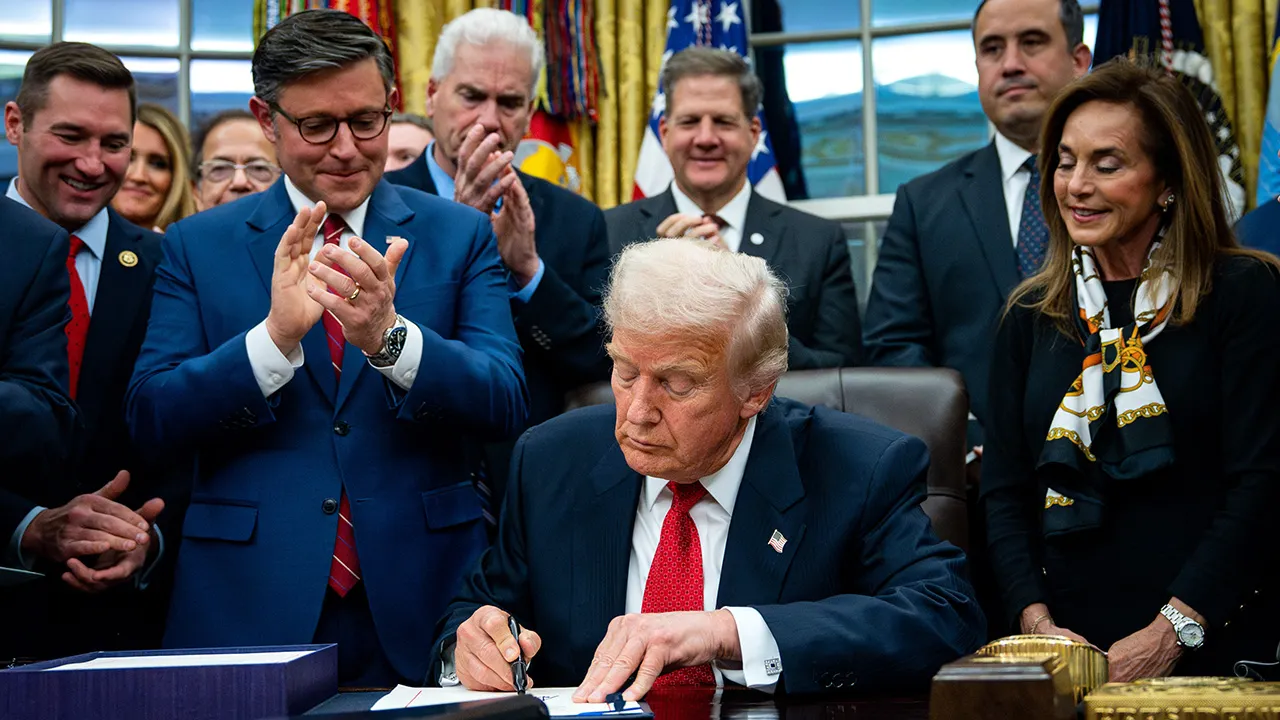
In a welcome relief after days of uncertainty, President Donald Trump signed into law a spending bill that brought an end to a partial government shutdown. This shutdown had begun just after midnight on that Friday in December, leaving several key agencies without funds. The new legislation provides full funding for departments like the Department of War, the State Department, and the Treasury through September, marking the close of the current fiscal year.
Short-Term Fix for Homeland Security
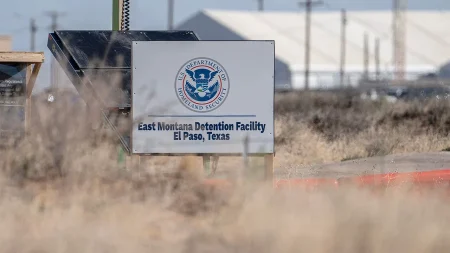
Yet, the bill only extends funding for the Department of Homeland Security (DHS) until February 13, setting the stage for future negotiations. This short-term approach means Republicans and Democrats must collaborate soon on a more lasting solution. Without it, DHS operations could grind to a halt again, affecting critical functions like immigration enforcement and border security.
Reasons for Democratic Opposition
House Republicans had pushed funding bills to keep everything running through September, but Senate Democrats held firm against them. Their resistance stemmed from Trump’s intensified immigration crackdown, particularly Operation Metro Surge launched in December 2025. This initiative sent thousands of Immigration and Customs Enforcement (ICE) agents into Minneapolis to ramp up enforcement.
A Tragic Turning Point
Tensions escalated after a tragic incident in January when two Customs and Border Patrol agents fatally shot Alex Pretti, a dedicated ICU nurse at the Department of Veterans Affairs, while he was peacefully documenting federal immigration activities. This heartbreaking event fueled Democratic concerns about the risks and tactics involved in such operations, leading them to reject deals that included DHS funding.
A Narrow Compromising Passage
After initial standoffs, the Senate passed a compromise bill late Friday, but the House was already out of session. When lawmakers reconvened, the House narrowly approved the deal on Tuesday with a 217-214 vote, averting worse disruptions. This fragile agreement reflects the deep divides in Washington, where partisan priorities often clash over human lives and national priorities.
Echoes of a Longer Struggle
This shutdown echoed the unprecedented 40-plus day closure last fall in 2025, the longest in U.S. history. On November 12, Trump had signed a stopgap measure funding government at 2025 levels until January 30, buying time for fiscal year 2026 plans. Now, with another partial shutdown resolved, Americans can breathe easier, but the underlying issues—immigration, budgets, and bipartisanship—remain unresolved, reminding us how these halting steps affect real people relying on stable government services. As Fox News notes, you can now listen to articles like this for a more accessible experience, helping everyone stay informed amid these complex tales of governance and humanity.