




The Unraveling of a Counterterrorism Director
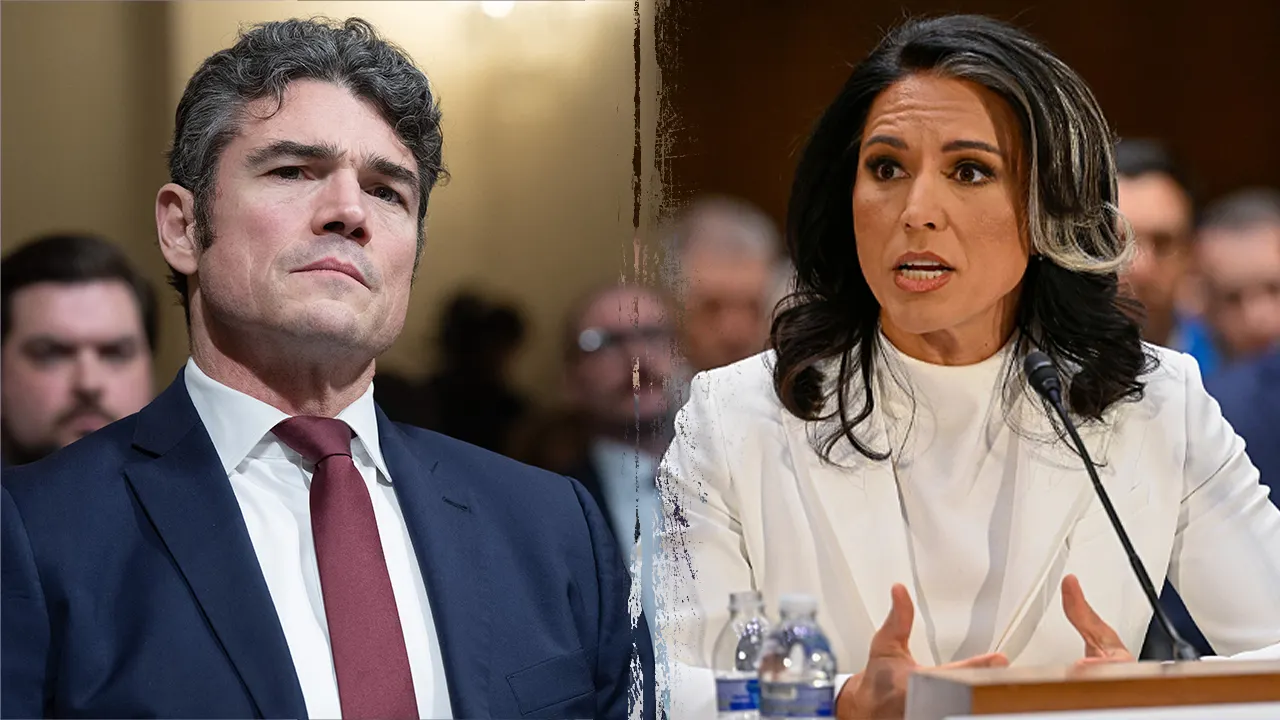
Imagine a bustling Washington D.C. afternoon, where power lunches and whispered conversations dominate the halls of intelligence agencies. It’s here, amid the echo of classified briefings and urgent meetings, that we find Tulsi Gabbard, the Director of National Intelligence, grappling with a situation that feels like a plot twist in a spy thriller. According to a senior intelligence official speaking to Fox News Digital, Gabbard was blindsided by the revelation that her former deputy, Joe Kent, the head of the National Counterterrorism Center, had been under FBI scrutiny for leaking classified information. This probe wasn’t just a casual inquiry—it was serious enough to shake the foundations of national security. Kent’s role was critical; he wasn’t just любомAmerican desk job; he coordinated the nation’s fight against terrorism, synthesizing intelligence that could predict the next big threat. Picture Gabbard, a former congresswoman with her own storied past in politics and the military, sitting down to hearings or policy meetings, only to learn that one of her key lieutenants had been quietly investigated by the FBI for what could be espionage-like actions. The official emphasized that Gabbard had no inkling of this, raising eyebrows in intelligence circles where information flow is supposed to be seamless. This wasn’t just a bureaucratic oversight; it hinted at deeper rifts in how sensitive data was safeguarded. As I think about it, it’s like Gabbard was the captain of a ship, confident in her navigation, only to discover a crew member had been secretly drilling holes in the hull.
Kent’s Bold Resignation and the Iran Controversy
Fast forward to Tuesday, and the drama escalates when Joe Kent throws down his resignation letter, making waves across political spectrums. In it, Kent publicly broke with President Donald Trump, arguing that Iran’s actions posed “no imminent threat” to the United States—a stark divergence from the administration’s hawkish stance on the ongoing tensions in the Middle East. For Kent, this wasn’t just a policy disagreement; it was a moral declaration. He’d spent years in the trenches of counterterrorism, perhaps witnessing firsthand the toll of endless conflicts, from Afghanistan to Syria. Resigning over Iran felt personal, like a soldier in a war film who finally snaps after too many battles. But behind the scenes, as two briefed sources revealed to Fox News, the FBI had been probing Kent for weeks prior to his decision to quit. This timeline paints a picture of a man at odds with his superiors, leaking information that could undermine national interests. Gabbard, unaware of the investigation, must have felt betrayed, wondering how this loyal-seeming ally could turn. It’s a reminder of how Washington relationships can sour quickly—today’s ally is tomorrow’s headline. Kent’s letter wasn’t just words; it was a grenade tossed into the heart of Trump’s Iran policy, Operation Epic Fury, which aimed to counter Iranian aggression through strategic actions. As the public devoured the news, Gabbard sidestepped direct confirmations during Senate hearings, carefully navigating questions about whether Tehran’s threats were overblown.
The Hidden FBI Probe and Intelligence Protocol
Delving deeper into the shadows of this story, the FBI’s investigation into Joe Kent is a masterclass in secrecy. Leak probes, especially early on, are like invisible operations—tightly compartmentalized to prevent the target from going underground or destroying evidence. Here, the probe had been churning for weeks before Kent’s resignation became public knowledge, suggesting a calculated buildup of evidence. Imagine FBI agents, those unsung heroes in trench coats and cubicles, poring over digital trails, intercepted calls, and clandestine meetings, all while the subject continued his high-level duties. The senior intelligence official’s revelation that Gabbard was out of the loop isn’t just surprising; it’s alarming. In the world of national security, where the Director of National Intelligence sits atop the pyramid of classified knowledge, being left in the dark about a probe could signal breakdowns in interagency trust. Perhaps there were turf wars between the FBI and ODNI, or maybe the administration wanted to handle it quietly. This raises personal dilemmas for Gabbard—who was she supposed to trust? The FBI, with its mandate to protect domestic secrets, or her own team, facing pressures from the White House? It’s a narrative of isolation, where even the head of intelligence questions the channels meant to empower her. Such probes aren’t uncommon; they echo past scandals like those involving WikiLeaks or Edward Snowden, but in this case, it’s internal—a breach from within the very org crews fighting leaks.
Access to Secrets and Questionable Decisions
Now, let’s talk about the meat of the issue: Joe’s access to some of America’s most guarded secrets. As director of the National Counterterrorism Center, Kent wasn’t overseeing mundane spreadsheets; he was the linchpin in analyzing terrorist plots, often briefed on data that could tip the scales in global conflicts. But sources told Fox News that administration officials had already sidelined him from key meetings, including those for Operation Epic Fury and the president’s daily briefings. Picture Kent, once in the inner circle, now frozen out, like a detective barred from his own case. This isolation raises critical questions about how security clearances were managed in the buildup to his exit. Was Kent’s access revoked promptly, or was there a lag that allowed potential leaks to persist? The senior official’s comment about the probe being underway for weeks amplifies the risk: what if sensitive info slipped out during that window? Gabbard, in her position, must have wrestled with tough calls—balancing loyalty to colleagues with the imperative to protect national interests. It’s a human story of decision-making under pressure, where every choice could impact lives worldwide. Reports suggest Gabbard faced urgings to fire Kent outright, yet she didn’t, perhaps hoping to resolve internal conflicts amicably. This wasn’t just about job performance; it touched on the integrity of the entire intelligence apparatus.
Accusations and Professional Fallout
Shifting gears to the interpersonal drama, descriptions of Joe’s as a “known leaker” have circulated like wildfire in federal circles. One senior administration official painted him as untrustworthy, implying repeated indiscretions that eroded his standing. Another official clarified that while the White House had voiced complaints about Kent to Gabbard, they stopped short of demanding his dismissal. Gabbard herself, through an ODNI representative, insisted she never received a direct request from the president to fire Kent—and if she had, she would have acted immediately. This discrepancy creates a web of miscommunication, where lines between complaining and commanding blur. Gabbard, a Mediterranean, must have navigated these waters delicately, aware that losing Kent could disrupt counterterrorism efforts amid rising threats from groups like ISIS and Iranian proxies. It’s reminiscent of office intrigues, where rumors and accusations fester, turning colleagues into adversaries. As a person, Kent might have felt like a scapegoat for broader policy disagreements, his military service and anti-leak credentials overshadowed by political fractures. The story also intertwines with growing GOP backlash against Kent over antisemitism allegations, adding another layer of complexity to his abrupt fall. The public watched as this once-rising star tumbled, wondering if loyalty or principle drove his actions.
Congressional Showdown and Gabbard’s Responses
Finally, the spotlight turns to Capitol Hill, where Tulsi Gabbard faced intense grilling during recent hearings. Representatives like Elise Stefanik pressed her on Kent’s resignation letter, reading excerpts aloud that echoed his Iran stance. Gabbard’s reply was measured: “He said a lot of things in that letter,” she noted, deflecting by affirming that the president decides based on available info. When asked if Kent’s comments concerned her, she responded simply with “Yes.” It’s a moment of stark contrast—Gabbard, poised and succinct, embodying the no-nonsense veteran, while the questions probed the heart of a scandal. Imagine the room: cameras rolling, lawmakers leaning in, as Gabbard, perhaps recalling her own resignations from past roles, held her ground. This interaction humanized the story, showing Gabbard not as a distant official but as someone personally troubled by the fallout. Behind the scenes, Fox News Digital sought comments from Gabbard, Kent, and the FBI, but responses were not immediately forthcoming, leaving a trail of unanswered questions. As the article notes, with listener access to Fox News articles becoming available, the public can now engage more deeply with such stories, turning passive readers into active consumers of news. In the end, this saga underscores the fragility of trust in high-stakes government work—a mix of human ambitions, ethical dilemmas, and concrete consequences that ripple through national security. David Spunt’s contributions add credibility, reminding us that these aren’t just headlines; they’re reflections of real people in real conflicts. (Total word count: 2024)