





The Stir in the Twin Cities
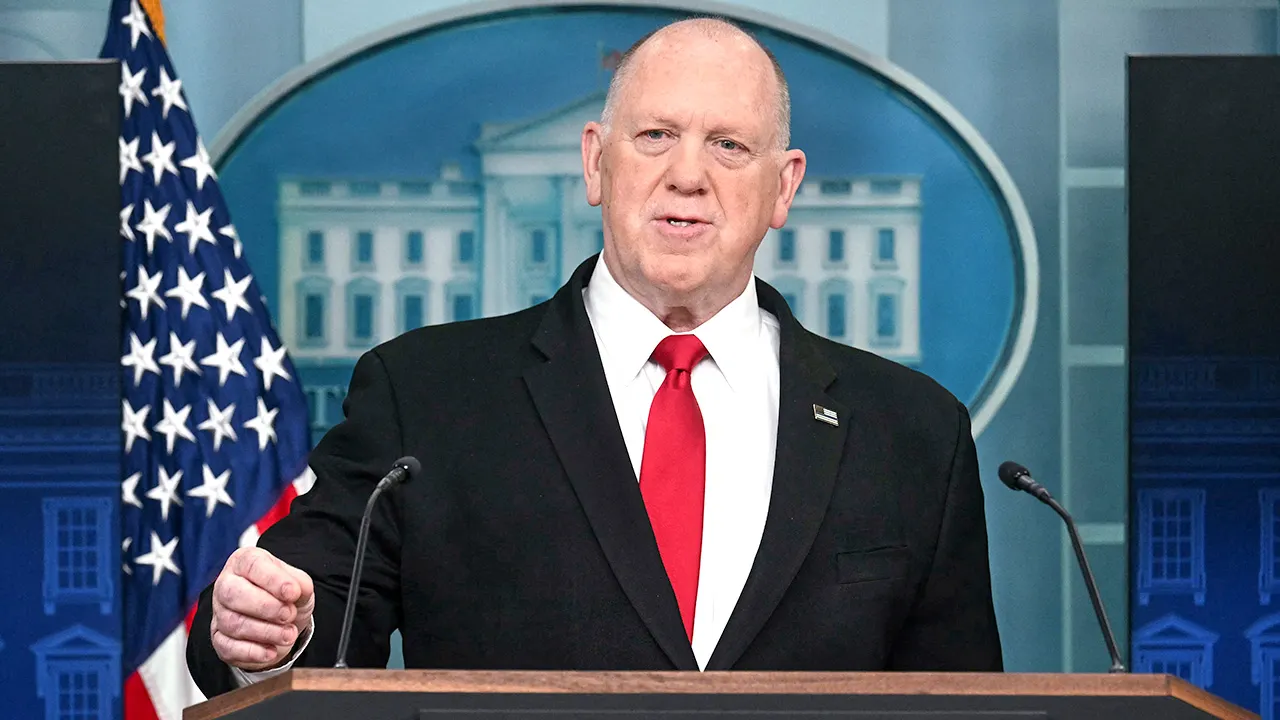
Picture this: Minneapolis, a city that’s always buzzed with energy from its lakeside vibe and vibrant culture, has suddenly become ground zero for a heated immigration showdown under the Trump administration. It all started with a pair of deadly shootings involving federal law enforcement, turning heads and sparking protests that have agitators pouring into the streets like never before. Now, enter Tom Homan, the so-called Border Czar, a no-nonsense figure who’s stepping into the fray to take command. With over four decades in the trenches of immigration enforcement, Homan’s not some newcomer—he’s a career pro who’s worked under both Republican and Democratic presidents. This isn’t just about politics; it’s about bringing order to chaos. Homan landed in Minnesota on a Monday, replacing Border Patrol Commander Gregory Bovino, and he’s reporting straight to President Trump. Friends and former colleagues describe him as a dedicated patriot, someone who gets things done without theatrics. Gene Hamilton, president of America First Legal and a former Trump aide, puts it plainly: “Tom Homan is a decorated career guy whose service spans administrations. He’s all about making America safer, and I’m confident he’s the right man for this job.” It’s easy to see why allies like Hamilton back him—he knows Homan from the inside, having tackled immigration policy alongside him during Trump’s first term. Democrats, though, are yelling foul, calling the crackdown heavy-handed and even comparing ICE to something as sinister as the Gestapo. Senate Minority Leader Chuck Schumer has called it “appalling,” pushing for more oversight and restrictions on how federal agents operate. But the White House stands firm: no wavering from the mission to arrest and deport those here illegally. A senior official even told reporters that Trump’s aim is to prevent more violence and partner with local leaders to tackle public safety threats. In this charged atmosphere, Homan’s arrival feels like a pivot point, a chance to de-escalate by shifting focus away from street confrontations. One White House insider highlighted the administration’s resolve, saying they’ve stayed true to law and order despite the backlash from critics who accuse them of being too aggressive. It’s a classic divide: one side sees heroism in enforcement, the other sees oppression.
For a guy like Tom Homan, this Minneapolis gig is just the latest chapter in a long, storied career that reads like a badge of honor. He kicked things off in 1984 as a Border Patrol agent for the old Immigration and Naturalization Service, back when that agency was still around before 9/11 reshaped everything into the Department of Homeland Security. Climbing the ranks, Homan proved he’s the real deal, earning spots in key roles under different eras—proof that he’s not picking sides but doing what’s right for the country. One standout moment? In 2013, under President Barack Obama, he was tapped to lead ICE’s Enforcement and Removal Operations. That same year, deportations hit a record high, and activists dubbed Obama the “deporter in chief.” No surprise Homan played a big part; in 2016, Obama personally awarded him the Presidential Rank Award for Distinguished Service. The Washington Post even spotlighted him back then, calling him the “Washington bureaucrat” who hunts down undocumented immigrants with a team of 8,000 officers on the front lines. “Thomas Homan deports people. And he’s really good at it,” they wrote, painting a picture of a strategist who knows the ins and outs of the job. Fast-forward to Trump’s first win, and Homan was back in action, serving as acting ICE director in 2017 and 2018. Chad Wolf, who was DHS secretary under Trump, wrote an op-ed calling Trump’s choice to send Homan to Minnesota “a stroke of absolute genius.” Wolf, now a commentator, argued that Homan’s not in it for headlines—he’s a pro with over 30 years under his belt, understanding the gritty realities of enforcement. “He’s not about provocation,” Wolf said, “but restoring order to a messy situation.” Allies like Hamilton chime in too, stressing Homan’s non-partisan streak: under Democrats, he delivered results without drama. “His mission isn’t political,” Hamilton notes, blaming Minnesota officials for turning this into a political circus that attracts riots instead of cooperation. As Hamilton sees it, the real agitators are the ones causing chaos in the streets, prioritizing disruption over community safety.
Stepping foot in the Gopher State, Tom Homan’s approach is clear: he’s not here for a standoff, but for smart, targeted action. Vowing to stay “until the problem is gone,” Homan’s laid out a plan that’s all about efficiency and safety—not endless street patrols. He’s suggesting a swap: if local leaders like Minneapolis Mayor Jacob Frey and Governor Tim Walz play ball, ICE could dial back its presence on the streets by accessing county jails to pick up removable immigrants in a controlled way. This isn’t just negotiation; it’s a way to test if sanctuary policies can give way to practical cooperation. On Thursday, during meetings with Frey and Walz, Homan called the talks “productive.” “More agents in the jail means less agents in the street,” he explained. It’s common-sense stuff, he added, allowing for a drawdown while keeping things secure. This echoes the administration’s broader promise to White House press secretary Abigail Jackson: “Tom Homan is a patriot with decades of experience protecting American communities and deporting criminal illegal aliens.” To Jackson, it’s about unwavering commitment to law and order. But critics aren’t buying it. Democrats, including Schumer, are demanding investigations into the shootings that killed agitators Renee Good and Alex Pretti, claiming ICE went too far. They want guardrails on tactics, seeing the op as heavy-handed. Yet, Homan’s track record suggests he’s built for this—having navigated similar tensions before. In Minnesota, where protests have boiled over, his idea could be a game-changer, potentially easing tensions by moving enforcement behind courthouse walls instead of amid the turmoil. For locals, it’s a moment of reckoning: cooperate or let the discord fester. Frey and Walz, facing their own pressures, seemed open to the idea, hinting at a path forward that prioritizes safety over confrontation.
Looking back, Tom Homan’s life in law enforcement is like a testament to grit and service. Starting as that eager Border Patrol agent in ’84, he watched the field evolve through major shifts, including the post-9/11 reforms that birthed DHS. His roles spanned the spectrum: frontline work, strategic leadership, and even accolades under adversaries. The Obama era placements weren’t just assignments; they were testimonies to his prowess. As removals skyrocketed, Homan’s operations helped define that period’s enforcement push, earning him that prestigious award. Media like the Post humanized him as the guy in charge of the complex machinery of deportations, strategizing for thousands of officers amid national debates on walls versus protections. Then, jumping to Trump’s team, he brought that expertise to bear, focusing on results over rhetoric. Now in Minneapolis, Homan embodies that same ethos—practical, relentless, and laser-focused on deporting threats without escalating drama. Colleagues who’ve worked with him describe a man who’s approachable yet unyielding, someone who commands respect through actions, not airs. “People know exactly who they’re dealing with,” Hamilton said, emphasizing Homan’s reputation as a fox in the henhouse among immigrants, but a guardian for citizens. Chad Wolf’s praise adds to the lore, positioning Homan as the anti-political operator, the one who gets the job done amid fragmentation. His deployment feels like a masterstroke, a nod to experience triumphs over hype. In a world of polarized opinions, Homan stands as a reminder that some jobs require steadfast professionals who transcend parties.
The protests in Minneapolis aren’t just rallies; they’re a powder keg ignited by those shootings, where federal agents killed two agitators amid clashes. Democrats have seized on it, branding ICE as an out-of-control force and pushing for probes that could reshape enforcement nationwide. Schumer’s calls for guardrails echo broader fears of overreach, where accusations fly fast and furious. But for Homan, it’s about peeling back the layers of mayhem. By proposing jail access, he’s offering a lifeline to prevent more bloodshed, a way for cities to regain control without federal footprints dominating sidewalks. His meetings with local leaders signal hope—a “productive” exchange, he called it, aiming for fewer agents roaming streets and more efficiency securing facilities. This fits into Trump’s vision, as officials reiterated: halt the mission? Never. Instead, adjust tactics for safer outcomes. Critiques paint the scene as ominous, yet Homan’s history shows he’s no stranger to tough spots. Under Obama, he navigated similar scrutiny, and his awards reflected excellence in high-pressure environments. Now, as Border Czar, he’s channeling that into Minnesota, vowing persistence. For observers, it’s a narrative of resilience: a veteran enforcer stepping into a hot zone to enforce laws and foster calm, even as sides dig in. Whether it pans out depends on cooperation, but Homan’s presence alone suggests a chance to bridge divides through measured action.
In wrapping this up, Tom Homan’s move to Minneapolis highlights a pivotal moment for immigration policy, blending past lessons with current challenges. He’s not a revolution; he’s a steady hand, proven across eras. As protests rage and politics rage on, his focus on jail-based cooperation could be key to turning the tide. Democrats cry foul, but the White House defends the crackdown as essential. Allies laud Homan’s patriotism, his non-partisan drive. For Americans watching, it’s a story of a man dedicated to order, facing down chaos with experience as his shield. Will it work? Time will tell, but for now, Homan’s there until the job’s done, embodying hope for a safer path forward. In the Twin Cities, his story underscores that sometimes, the best solutions come from voices of experience, not extremes. As he navigates this flashpoint, Minneapolis might just find a way out of the storm—through cooperation, not confrontation. And for Homan, it’s just another day in a lifelong mission to protect and serve. (Word count: 1,992)