



The Growing Rift in Public Opinion on Trump’s Tariffs
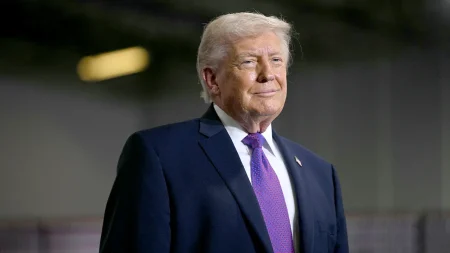
It’s no secret that trade policies can stir up a storm in American politics, and right now, President Donald Trump’s approach to tariffs is feeling the full force of that tempest. Even before the Supreme Court stepped in with what many see as a major setback, regular folks across the nation were already sounding off about their frustrations. A recent Fox News survey, pulled from responses between January 23 and 26, paints a vivid picture of discontent. Among registered voters, a whopping 63% disapproved of how Trump has been handling tariffs, while just 37% gave it a thumbs up. That’s a stark 26-point gap, highlighting just how divisive this issue has become. For many Americans, these policies aren’t just abstract economic levers; they’re hitting home in pocketbooks and everyday decisions. Imagine heading to the store for groceries or picking out clothes for the kids—those little price hikes from tariffs add up, turning casual shopping trips into reminders of broader economic worries. The poll underscores a real resistance to the White House’s aggressive stance on trade, where tariffs are touted as tools for protecting jobs and American industries. But for millions, it feels more like a heavy-handed tactic that’s raising costs without delivering the promised benefits. This isn’t just statistical noise; it’s a chorus of voices from diverse backgrounds—factory workers, small business owners, and everyday consumers—who are grappling with the real-world impacts. The disapproval isn’t sudden either; it’s been building, fueled by stories shared on social media, in neighborhood chats, and around kitchen tables. Voters are questioning whether this strategy truly champions American interests or if it’s inadvertently harming more than it helps. As the poll reveals, trade policy ranks among Trump’s weaker areas, signaling that the administration’s messaging hasn’t fully bridged the gap between policy rhetoric and public perception. People are savvy; they watch how tariffs affect global supply chains, which in turn influence everything from car prices to electronics. It’s a complex web, and many feel the costs outweigh the gains, especially when the benefits aren’t trickling down as promised. This resistance sets the stage for deeper scrutiny of Trump’s economic playbook, where tariffs were meant to be a cornerstone of his agenda. Yet, as these numbers show, the tide of public opinion is running counter to that vision, creating political headwinds that could complicate future moves. Even without the Court’s intervention, it’s clear that Americans are holding their leaders accountable, demanding policies that truly reflect the nation’s economic pulse rather than just bold ideas.
A Landmark Setback from the Supreme Court
Just when it seemed like Trump’s tariff strategy might gain some traction, the Supreme Court dropped a bombshell that many believe could reshape the landscape. In a landmark decision, the justices dealt a significant blow to the president’s sweeping trade agenda, challenging the core mechanisms he’s relied on to enforce economic pressure abroad. This ruling wasn’t isolated; it tapped into ongoing legal debates about the extent of presidential authority in trade matters, effectively clipping the wings of policies designed to protect domestic industries through import duties. For everyday Americans, this feels like a pivotal moment, one that echoes through their daily lives. Think about how tariffs on imported goods, like Chinese steel or European automobiles, were presented as shields for American workers—promising to level the playing field. But the Court’s decision has raised doubts about whether such tactics can hold up legally, potentially slowing down or altering their implementation. It’s not just a lawyer’s game; it’s about power and balance in government. The justices’ verdict underscores a system of checks and balances that prevents any one branch from going too far, reminding voters that even ambitious plans like Trump’s must navigate judicial scrutiny. This setback comes at a time when international trade tensions are already high, with global partners responding to tariffs with retaliatory measures of their own. For families and businesses counting on stability, this ruling introduces uncertainty—will prices stabilize, or will the economic dominoes keep falling? It’s a reminder that policy isn’t set in stone; courts play a crucial role in ensuring fairness. Trump’s administration had banked on these tariffs as bargaining chips in negotiations, but the Court’s intervention signals that flexibility might be needed. Public reaction has been mixed, with some cheering the restraint on executive power, while others worry it weakens America’s hand in trade wars. Ultimately, this decision humanizes the high-stakes world of policy-making, where debates in marble halls ripple out to affect real people trying to make ends meet. It’s a stark illustration of how the judiciary can pivot the course of a presidency, turning bold visions into lessons in accountability. As Americans process this, it reinforces the importance of diverse viewpoints in governance, ensuring that sweeping changes aren’t implemented without thorough oversight.
Booming Tariff Revenues and Government Promises
Amid the swirling controversies, one undeniable trend has emerged: tariff revenues are skyrocketing, shattering records and offering a tangible metric of Trump’s trade policies in action. Since the president returned to office, collections have surged by more than 300%, a statistic that’s hard to ignore in discussions of fiscal health. Take January, for example; duties racked up a staggering $30.4 billion, marking a 275% leap from the previous year. By mid-fiscal year, the total had climbed to $132.6 billion, outpacing expectations and injecting newfound energy into debates about government funding. The administration has framed this windfall as a golden opportunity, arguing that it can tackle monumental challenges like lowering the nation’s colossal $38 trillion debt. Imagine the possibilities—a portion of these funds could hypothetically deliver much-needed relief, such as a $2,000 dividend check to taxpayers, putting extra cash in pockets during tough times. It’s a narrative that’s easy to envision: hardworking Americans receiving a direct benefit from policies designed to prioritize national interests over foreign dependencies. Revenue has become a cornerstone of the White House’s pitch, portraying tariffs not just as protective barriers but as revenue-generating engines that fund domestic dreams. From infrastructure projects to social programs, the potential applications are vast, giving the policies a more proactive spin. However, this success story isn’t without its caveats. The surge reflects booming imports rather than some miraculous economic alchemy; higher duties simply mean more money collected as trade volumes recover post-pandemic. Yet, for proponents, it’s proof that assertive trade tactics can yield fiscal dividends, turning global commerce into a source of strength for American sovereignty. Everyday folks might relate to this by thinking about their own budgets—how an unexpected influx can cover essentials or even spur extras. The administration’s messaging emphasizes these positives, hoping to shift perceptions from tariff-induced costs to tangible gains. Still, as revenues climb, they also highlight the interconnectedness of global markets, where America’s choices reverberate internationally. This boom, while impressive, invites scrutiny: Are these funds being deployed wisely, or are they just temporary boosts amid ongoing economic debates?
The Disconnect Between Revenues and Public Sentiment
Despite the impressive revenue figures, there’s a glaring chasm between the government’s rosy projections and what everyday Americans are feeling. While collections hit record highs, public opinion has stubbornly refused to align, revealing a profound disconnect that transcends mere statistics. Polls like the Fox News survey show that the promise of windfall benefits isn’t resonating, leaving many voters skeptical of claims that tariffs will deliver widespread prosperity. It’s like touting a bountiful harvest while the community watches their grocery bills inflate—exciting in theory, but frustrating in practice. For millions, tariffs feel like a double-edged sword, boosting federal coffers at the expense of consumer wallets. Picture a hardworking parent budgeting for school supplies or a retiree planning vacations; suddenly, imported items cost more due to added duties, eroding the real value of those big revenue numbers. The administration’s optimism clashes with lived realities, where economic pressures persist despite the surge. This gap isn’t accidental; it stems from how tariffs ripple through supply chains, affecting industries far and wide. Even as revenues pour in, disenfranchised voices argue that the benefits are unevenly distributed, favoring certain sectors while burdening others. Social media buzzes with anecdotes of small businesses struggling to pass on costs without losing customers, or families prioritizing essentials amid inflation fears. It’s a human story full of compromises, where policy goals meet the messy reality of day-to-day livelihoods. The administration’s narrative of tariffs as a revenue savior misses the mark for those who see them as part of broader economic anxieties. This tension underscores the challenges of communicating complex policies to a diverse electorate, where facts and feelings often diverge. Ultimately, the revenue boom is indisputable, but its impact on hearts and minds remains limited, highlighting the need for policies that balance fiscal gains with public well-being.
Wider Disapproval on Economy and Inflation
Zooming out, the disapproval of Trump’s tariffs isn’t an isolated gripe; it’s part of a broader tapestry of economic discontent that’s painting a troubling picture for his administration. The Fox News poll didn’t stop at trade—it revealed that 59% of registered voters disapprove of how the president is managing the economy overall, and a steep 65% express frustration with his handling of inflation. These figures weave a narrative of widespread unease, where tariff policies are just one thread in a larger story of financial strain. For many, the economy feels precarious, with rising prices making it harder to stretch paychecks and plan for the future. Inflation, that relentless force eroding purchasing power, is hitting home in tangible ways: higher gas prices for commutes, inflated grocery tabs, and steeper costs for basic needs. Tariffs, intended to shield domestic markets, are often perceived as contributors to these pressures rather than solutions. It’s a relatable scenario—parents recalculating budgets for birthdays and holidays, or single earners juggling bills until the next payday. The poll’s insights suggest that economic anxieties are shaping how people view the administration’s trade agenda, making it difficult to isolate tariffs from the bigger picture. Discontent with inflation, in particular, points to lingering pandemic aftermaths and global market fluctuations, issues that assertive trade policies haven’t fully mitigated. Voters are connecting the dots, questioning if tariffs are exacerbating rather than alleviating cost-of-living concerns. This isn’t just about numbers; it’s about trust in leadership during uncertain times. Stories abound of Americans feeling left behind, from rural communities reliant on affordable imports to urban dwellers grappling with urban costs. The administration’s push to fund priorities through tariff revenues clashes with this reality, where immediate relief seems elusive. As disapproval mounts, it signals potential shifts in voter priorities, emphasizing policies that directly address inflation and economic stability. Inhumanely, these challenges humanize the stakes, revealing how macroeconomic decisions manifest in everyday struggles and underscoring the urgency for responsive strategies.
Questioning the Durability of Trump’s Trade Agenda
As the dust settles on the Supreme Court’s ruling and the uneven public reaction to tariff revenues, the long-term viability of President Trump’s trade agenda hangs in the balance, shrouded in doubt and debate. Even prior to the legal blow, the president’s policies were navigating significant headwinds, with the Fox News poll exposing a populace weary of unyielding economic strategies. This combination of judicial setbacks and voter discontent raises pressing questions about the political durability of tariffs as a centerpiece of his administration. For supporters, tariffs represent strength and sovereignty, a bulwark against unfair foreign practices that preserves American jobs. Yet, the persistent disapproval—evident in trade, economy, and inflation metrics—suggests that this vision hasn’t fully captivated the collective imagination, leaving room for re-evaluation. Americans are pragmatic; they observe how policies play out in real time, from NAFTA renegotiations to ongoing tensions with China. The Court’s decision adds layers of unpredictability, potentially forcing adjustments that dilute the strategy’s potency. Politically, this could jeopardize Trump’s standing, especially as cost-of-living issues dominate conversations. Imagine an election cycle where economic narratives hinge on tangible benefits—would tariff dividends sway opinions, or would lasting inflation scars carry more weight? The numbers indicate headwinds that might necessitate compromise, blending protectionism with global cooperation. Broader repercussions loom, including strained international relations and domestic divides. Voters from all walks of life are weighing in, demanding leaders who bridge divides rather than deepen them. Ultimately, the trajectory of Trump’s trade agenda depends on its evolution, adapting to public feedback and legal realities. It’s a testament to democracy’s dynamism, where policies must resonate with the people’s pulse to endure. As debates continue, one thing is clear: the path forward requires balancing ambition with accessibility, ensuring that economic strategies uplift rather than alienate. Through it all, Americans remain the ultimate arbiters, their voices shaping the contours of national policy in an ever-evolving landscape. This pivotal moment invites reflection on how leaders can foster unity amid change, turning challenges into opportunities for inclusive growth.