





Trump Administration Takes Bold Actions on Multiple Fronts
As the Trump administration settles into its second term, a flurry of actions across domestic and international policy fronts demonstrates the administration’s commitment to its campaign promises. From sanctions against the Maduro regime to confrontations with educational institutions and bureaucratic reforms, the administration’s agenda is moving forward at a rapid pace, garnering both support and criticism from various corners.
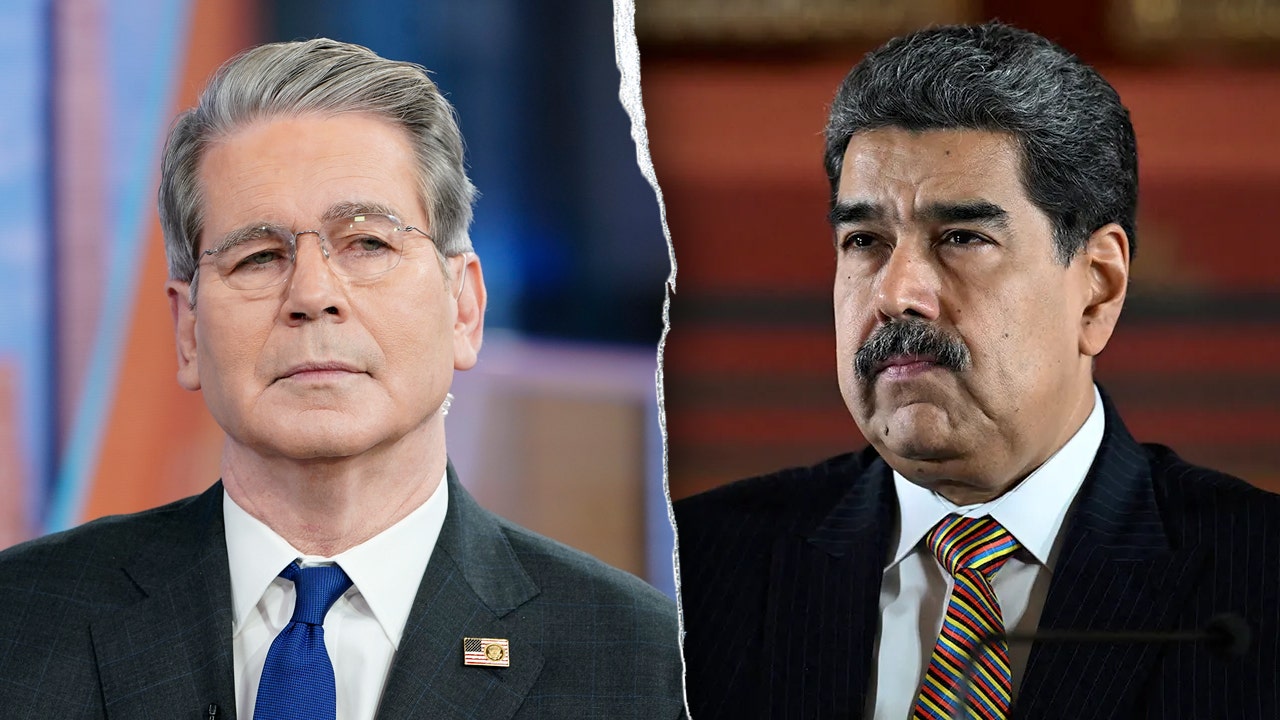
The Treasury Department has launched a significant crackdown on Venezuela’s Maduro regime, announcing new sanctions targeting seven family members and associates connected to Nicolás Maduro. Secretary of the Treasury Scott Bessent emphasized that these actions aim to address corruption and deceptive practices within what he termed Venezuela’s “rogue narco-state.” “We will not allow Venezuela to continue flooding our nation with deadly drugs,” Bessent stated firmly. This move represents a continuation of the administration’s hardline approach to the Venezuelan government, which it has consistently refused to recognize as legitimate. The sanctions specifically target Maduro’s inner circle, focusing on those believed to be enabling corruption and drug trafficking operations that affect U.S. interests, particularly the flow of narcotics across the southern border.
On the domestic front, the administration is challenging elite institutions and bureaucratic processes that it views as misaligned with its vision for America. Notably, the White House has appealed a ruling that would restore $2.7 billion in federal funding to Harvard University, signaling its willingness to confront prestigious educational institutions it perceives as promoting values contrary to its agenda. Additionally, a law group aligned with the administration has requested the elimination of racial considerations in a CDC tool used by local officials to allocate funds based on diversity, equity, and inclusion metrics. In a symbolic victory for the president, Trump’s name has been added to the Kennedy Center following a unanimous board vote to rename the historic building. These actions collectively reflect the administration’s broader effort to reshape federal institutions and challenge what it views as entrenched elite interests opposed to its policy goals.
The administration is also navigating significant foreign policy challenges, particularly in the Middle East and Latin America. A deadly attack on U.S. troops has put Trump’s counter-ISIS strategy to the test, raising questions about his reliance on Syria’s new leadership. Senator Marco Rubio has identified what he calls “the single most serious threat” to the United States emanating from the Western Hemisphere, highlighting the administration’s focus on regional security concerns. These international challenges come as the administration is implementing significant changes to sanctions policies, with 134 House Republicans demanding “assurances” as the U.S. eases certain restrictions on Syria. The complex geopolitical landscape requires careful navigation as the administration attempts to balance competing interests while maintaining its “America First” approach to foreign policy.
On Capitol Hill, relations between the administration and Congress remain contentious on several fronts. Representative Thomas Massie has established what he calls a “litmus test” for the Department of Justice’s disclosures regarding Jeffrey Epstein, demanding names of individuals involved as a deadline for information sharing has passed. Senate Majority Leader Chuck Schumer has accused the administration of engaging in an “Epstein files cover-up” amid this document dispute. Meanwhile, Senator Lindsey Graham is leading a bipartisan effort demanding a vote on tech reform legislation to “bring social media companies to heel,” suggesting some areas of potential cooperation across party lines. However, partisan divisions remain stark, with Democrats executing a last-minute move to block a Republican funding plan, sending lawmakers home early without resolution on key spending issues.
Issues of immigration enforcement and homeland security continue to be central to the administration’s domestic agenda. At the American Fest (AMfest) gathering, attendees overwhelmingly expressed support for Immigration and Customs Enforcement (ICE) operations in their hometowns, even as Democratic leaders in various localities have restricted cooperation with federal immigration authorities. Transportation Secretary Sean Duffy’s pregnant daughter publicly criticized what she termed an “unconstitutional” and “invasive pat-down” by Transportation Security Administration agents, highlighting tensions between security measures and personal liberties. Looking toward the future political landscape, Turning Point’s Erika Kirk has already thrown support behind JD Vance as the “heir apparent” to the MAGA movement for 2028, suggesting early positioning for continued influence beyond the current administration. These developments illustrate the ongoing political and cultural divisions in American society that the administration must navigate as it implements its policy agenda.
The administration’s actions across multiple policy domains reflect its determination to fulfill campaign promises while confronting significant resistance from established institutions and political opponents. From sanctions against foreign adversaries to domestic policy reforms and political positioning, the Trump team is demonstrating its commitment to its vision for America both at home and abroad. As international crises emerge and domestic tensions persist, the administration’s approach to governance continues to challenge conventional political norms while energizing its base of supporters who see these disruptions as necessary for meaningful change.