


Trump Administration and Congressional Developments: A Human Perspective
In the ever-evolving landscape of American politics, recent events have sparked intense debates and revealed deep divisions within both parties. At the center of attention is a tragic incident in Minneapolis, where 37-year-old Renee Nicole Good, a mother of three, was fatally shot during an encounter with ICE agents. This heartbreaking event has become a flashpoint for broader discussions about immigration enforcement and the use of force by federal agencies, with lawmakers on both sides of the aisle staking out stark positions.
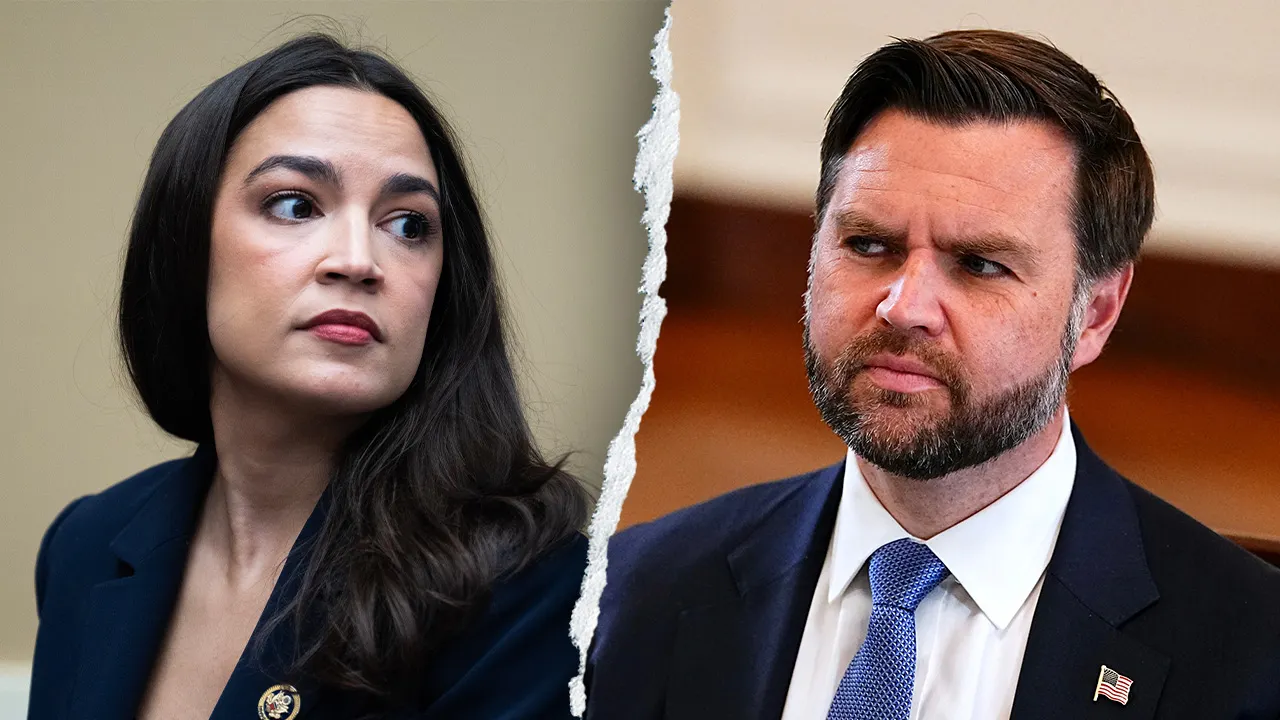
Representative Alexandria Ocasio-Cortez has escalated the rhetoric surrounding the incident, directly accusing Vice President JD Vance of supporting violence against civilians. “I understand that Vice President Vance believes that shooting a young mother of three in the face three times is an acceptable America that he wants to live in, and I do not,” the progressive New York lawmaker stated to reporters on Capitol Hill. This charged language illustrates how the tragedy has been rapidly absorbed into the partisan narrative, with House Republicans defending the ICE agent involved, arguing the use of force was justified, while some Democrats have gone as far as characterizing such actions as “state-sponsored terrorism.” One Democratic representative has even voiced support for potentially restricting Department of Homeland Security funding in response to the shooting, highlighting the policy implications now being discussed in its aftermath.
On the international front, the Trump administration has made bold moves regarding Venezuela, invoking the Alien Enemies Act of 1798 to justify deportations while pursuing the capture of Nicolás Maduro. President Trump has indicated there won’t be a “second wave of attacks” against Venezuela due to what he characterized as their “cooperation.” This approach, however, has created tensions within Republican ranks, with Senator Josh Hawley breaking from the president’s position on Venezuela policy. The administration’s strategy toward the oil-rich nation also faces practical challenges, as American energy companies navigate the complex realities of operating in a region undergoing political upheaval. Meanwhile, the global effort to contain Russia’s “dark fleet” vessels continues, with recent U.S. seizure actions sending signals to Moscow about America’s determination to enforce maritime regulations and sanctions.
On Capitol Hill, a party-line divide continues to define most interactions, though there are moments that transcend partisan boundaries. House Speaker Mike Johnson met with a Muslim man who courageously confronted and disarmed an attacker at Bondi Beach, showcasing an appreciation for heroism that cuts across cultural and religious lines. In preparation for the 2026 election cycle, Republican senators have embarked on a strategic “border trail” tour, emphasizing tax relief and enhanced security measures. The confirmation process for Trump’s DHS nominees faces a roadblock, with one GOP senator blocking the appointments until South Dakota Governor Kristi Noem testifies before the Senate, demonstrating how intra-party disagreements can affect governmental functions.
The Supreme Court is poised to address several culturally significant issues, including a review of state bans on transgender athletes’ participation in school sports under Title IX regulations. This judicial consideration comes at a time when gender identity policies in education are increasingly contentious, as evidenced by a Catholic group asking the high court to block a California law prohibiting schools from revealing students’ gender identities to parents without consent. The legal battlefield extends to voting rights as well, with the Democratic National Committee joining a Supreme Court case to challenge what they describe as the Republican National Committee’s “wholly un-American” efforts regarding voting regulations. These cases highlight how the judicial branch has become a critical arena for resolving deep societal disagreements.
Across the nation, state-level politics reflect similar tensions and transitions. In Illinois, challengers to Governor J.B. Pritzker are demanding financial transparency through audits, with one lawmaker predicting “stunning” revelations. Cultural institutions are also navigating identity politics, as seen in job listings for the Obama Presidential Center that include an “anti-racism” pledge for applicants. Meanwhile, a taxpayer-funded teacher program has come under scrutiny from watchdog organizations for allegedly banning White applicants, a practice described as “likely illegal.” These local developments illustrate how national debates about race, inclusion, and governance manifest in communities across America, affecting institutions from schools to presidential libraries. As the country approaches future elections, these fractures and the resulting policy directions will continue to shape the lived experiences of Americans from all walks of life.