






Four House Republicans Defy Speaker on Obamacare Subsidies Extension
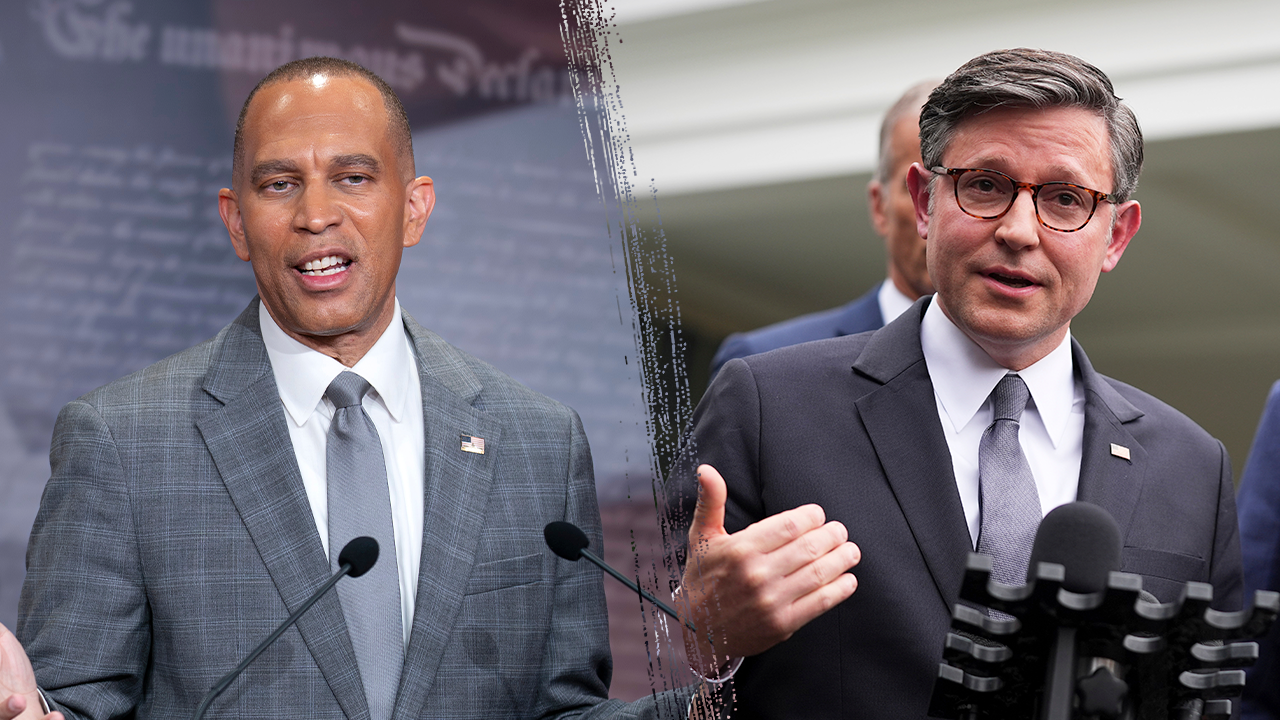
In a bold move against party leadership, four moderate House Republicans have joined forces with Democratic Minority Leader Hakeem Jeffries to force a vote on extending Obamacare subsidies that are set to expire at the end of this year. Representatives Brian Fitzpatrick, Ryan Mackenzie, and Rob Bresnahan of Pennsylvania, along with New York’s Mike Lawler, have signed a discharge petition that has now reached the critical 218-signature threshold required to bypass Speaker Mike Johnson and bring the legislation directly to the House floor. This rare bipartisan rebellion highlights growing tensions within the Republican caucus over healthcare policy and reflects the political pressures facing moderates in competitive districts where healthcare affordability remains a top voter concern.
The discharge petition, a seldom-used procedural mechanism that allows lawmakers to circumvent leadership control, calls for a three-year extension of enhanced Affordable Care Act subsidies. Representative Mackenzie defended his decision to break ranks, explaining, “I’ve always supported bipartisan solutions that would bring about healthcare affordability in this country.” He pointed to Republican leadership’s reluctance to advance any subsidy extension legislation and Democratic unwillingness to support compromise bills with reforms as reasons for his action. “Leader Jeffries and the Democrats have refused to sign onto either of those bipartisan solutions. And so at this point, our leadership is not calling up a bill to extend the [Obamacare] tax credits,” Mackenzie told Fox News Digital. He advocated for votes on multiple approaches, including both the Democratic proposal and two bipartisan alternatives offering shorter extensions with reforms.
Speaker Johnson had explicitly warned his caucus against supporting the petition earlier on Wednesday, characterizing it as undermining the legislative process. During an appearance on CNBC’s “Squawk Box,” Johnson argued that “doing an end-run around the majority party, the speaker or the regular process is not the best way to make law.” The rebuke came as House Republicans were advancing their own healthcare bill, which they claim would lower costs for all Americans without extending the Obamacare subsidies they view as part of a flawed system. The growing Republican divide was further evidenced during a House Rules Committee meeting on Tuesday, when several moderate Republican amendments aimed at extending the subsidies were rejected by their GOP colleagues on the panel.
Representative Lawler, one of the four Republicans who defied leadership, took to social media to explain his position: “While I have been working for a bipartisan compromise with reforms, the failure of leadership to allow a vote on the floor left me with no choice but to sign the Democrats’ discharge petition.” His statement reflected the frustration among moderate Republicans who have been pushing for a middle-ground approach on the subsidies issue. “The speaker should immediately bring it to the floor for an up-or-down vote and let the House do the work of the American people,” Lawler added, framing his decision as a matter of democratic principle rather than party disloyalty.
The rebellion on healthcare policy comes at a politically sensitive time, with many of these moderate Republicans representing competitive swing districts where healthcare affordability resonates strongly with voters. The enhanced Obamacare subsidies, initially expanded during the pandemic, have made healthcare coverage more affordable for millions of Americans, particularly middle-income families who previously didn’t qualify for assistance. If these subsidies expire without action, many Americans could face substantially higher premium costs in the upcoming year—a potential political liability for incumbents in close races. The four Republican signatories appear to be calculating that the political cost of defying party leadership is less than the electoral risk of being associated with increased healthcare costs for their constituents.
Despite the petition reaching the required signature threshold, procedural rules governing discharge petitions mean that the earliest the House could consider Jeffries’ bill would be early next year—potentially after the subsidies have already expired. This timing challenge adds urgency to the situation and may increase pressure on Speaker Johnson to allow a vote on some form of extension before the end of the year. The healthcare subsidy extension has become emblematic of the broader challenges facing House Republican leadership as they attempt to navigate governing with a razor-thin majority, where a small group of moderates or hardliners can effectively derail the party’s agenda. As Congress faces a busy end-of-year schedule with multiple must-pass bills, this healthcare rebellion may signal further difficulties ahead for the Speaker as he attempts to maintain party unity while addressing pressing policy deadlines.