





First Lady’s Minnesota Visit Amidst Growing Concerns of Funding Oversight
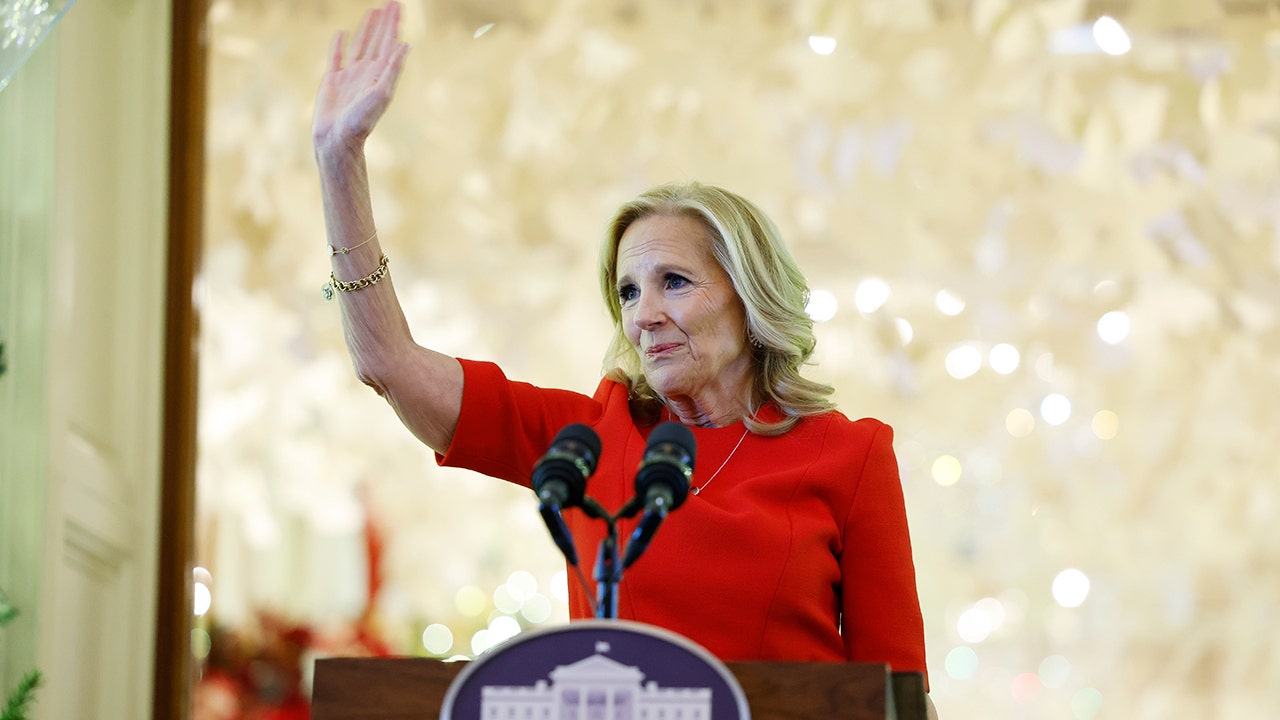
In February 2022, First Lady Jill Biden traveled to Minnesota to celebrate what appeared to be a success story of pandemic-era funding. Standing alongside Governor Tim Walz at the University of Minnesota’s Child Development Laboratory School, she praised the state’s implementation of childcare support from the American Rescue Plan Act. “We helped states like Minnesota safely keep open childcare centers and family childcare providers and boost pay for their workers,” Biden remarked, specifically acknowledging Walz’s leadership. “We supported high-quality providers that enrich children’s lives, and we helped make them more affordable.” The visit highlighted the close relationship between the Bidens and Walz, with the First Lady noting their years of friendship and expressing gratitude for his governance during the pandemic recovery period.
The American Rescue Plan Act of 2021 represented a significant pandemic response effort, allocating nearly $40 billion specifically for childcare initiatives within its $1.9 trillion framework. The legislation, which passed without Republican support, directed substantial funding to states like Minnesota, which reportedly received approximately $500 million in federal funds for daycare centers that year alone. During her visit, the First Lady emphasized the critical importance of childcare not just for families but for the broader economic recovery: “Tim, you understand that childcare is not only critical to families, it’s critical to businesses and our economy,” she said, turning to acknowledge the governor standing behind her.
Fast forward to the present day, and the rosy picture painted during that 2022 visit has significantly deteriorated. Minnesota now faces severe scrutiny regarding alleged widespread fraud and mismanagement of federal funds, particularly within its childcare sector and Medicaid program. The situation has become so dire that it may have contributed to Governor Walz’s decision to withdraw from consideration for reelection. What was once celebrated as a model implementation of federal relief funding has transformed into a cautionary tale about oversight failures and potential malfeasance in the distribution and monitoring of taxpayer dollars intended to help vulnerable populations recover from the pandemic.
A damning report released by Minnesota’s nonpartisan Office of the Legislative Auditor has confirmed many concerns about the state’s management of federal funds. The audit examined the Minnesota Department of Human Services’ Behavioral Health Administration grant program, finding that between July 2022 and December 2024, the department distributed more than $425 million to 830 organizations without implementing proper oversight measures. The investigation uncovered missing progress reports and incomplete documentation of required monitoring visits. Perhaps most concerning was the revelation that 73% of employees surveyed indicated they had not received adequate training to properly administer and manage these grants. One employee’s statement particularly highlighted the systemic nature of the problem: “Executive leadership has repetitively shown staff that they won’t take the staff’s concerns or questions seriously until something serious happens or it makes the news.”
The implications of Minnesota’s oversight failures are staggering, with prosecutors suggesting the fraud could total up to $9 billion in misappropriated funds. This massive figure represents not just an accounting problem but a profound betrayal of public trust and a failure to deliver critical services to those in need during a national crisis. The scandal has expanded beyond mere administrative mismanagement, with reports indicating that several Minnesota Democratic leaders allegedly accepted donations from individuals now accused of committing fraud. Other troubling allegations suggest that Governor Walz may have retaliated against whistleblowers who attempted to sound the alarm about the developing fraud situation, raising serious questions about leadership and accountability in the state’s response to these issues.
The stark contrast between the First Lady’s celebratory visit in 2022 and the current state of affairs in Minnesota exemplifies the importance of robust oversight mechanisms for federal funding initiatives. What began as a showcase of successful pandemic recovery efforts has evolved into a cautionary tale about the potential consequences of inadequate monitoring and accountability structures. As investigations continue and more details emerge about the extent of the fraud and mismanagement, the situation serves as a reminder of the delicate balance between rapid distribution of emergency funds and ensuring those resources reach their intended beneficiaries through proper channels. The Minnesota case may ultimately influence how future federal relief programs are designed, implemented, and monitored to prevent similar breakdowns in oversight and accountability.