




The Polarizing World of Voter ID Debates
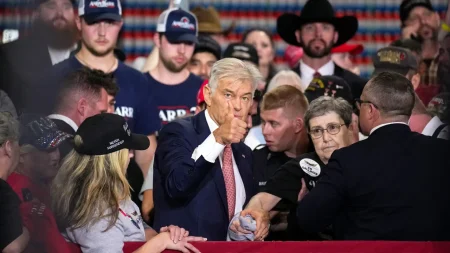
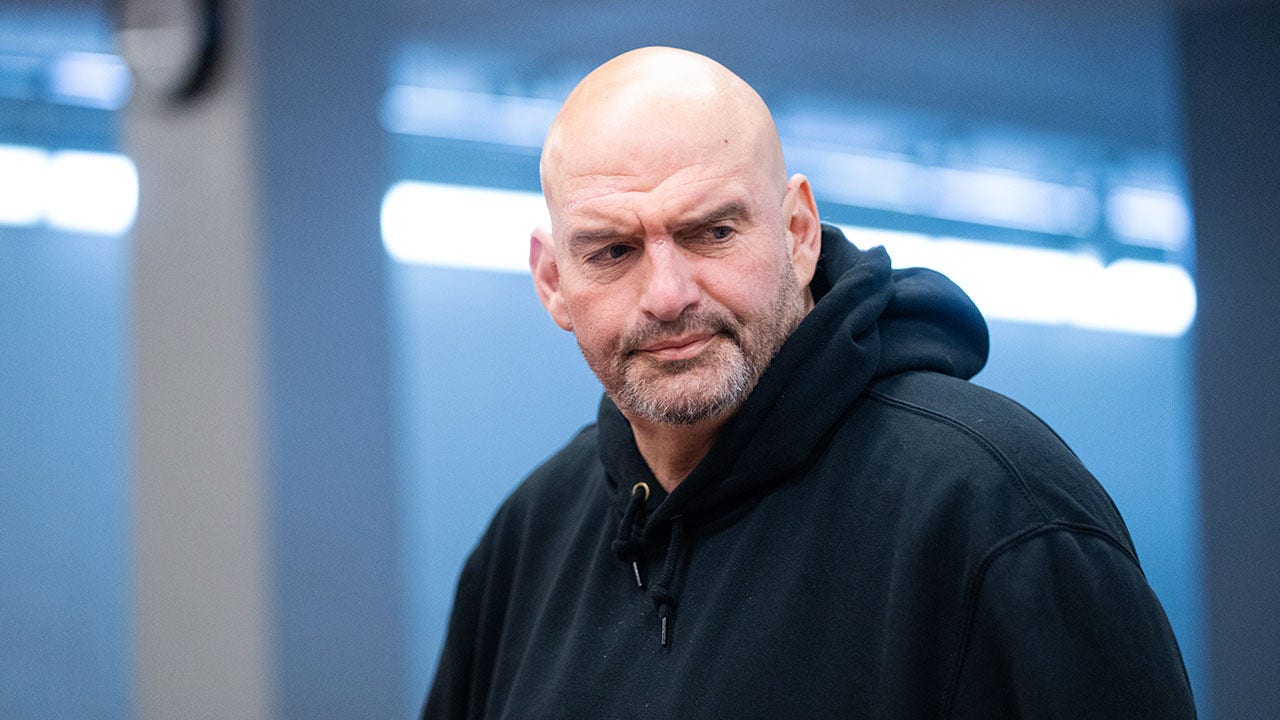
Imagine you’re sitting in a cozy diner, overhearing a group of folks passionately debating the latest political tiff in Washington. One standout voice belongs to Sen. John Fetterman, the folksy Democrat from Pennsylvania who’s known for his no-nonsense Pennsylvania roots and everyman vibe. He’s been making waves lately by not toeing the party line, and this time it’s over voter ID laws. While most of his Democratic colleagues are rallying against a bill called the Safeguarding American Voter Eligibility Act—aptly dubbed SAVE—Fetterman is pushing back, offering a fresh perspective that challenges the narrative. It’s like he’s the uncle at the family reunion who tells it like it is, without the drama. In a chat on Fox News’ “Saturday in America” with host Kayleigh McEnany, Fetterman shared how he bucks the trend, highlighting that he’s not one to scream conspiracy theories or dredge up painful historical analogies. Instead, he’s focused on sensible solutions for election integrity, reminiscent of everyday discussions about trust and fairness in communities across America. This stance paints him as a pragmatic bridge-builder, not a party loyalist, showing how even in polarized times, individual voices can shine through. As the debate rages, Fetterman’s approach reminds us of small-town values: listen to the people, don’t name-call, and find common ground without resort to fear-mongering. His growing reputation as a maverick isn’t just political theater; it’s a human story of one senator striving to represent the quiet majority who believe in secure yet accessible elections. Through thick and thin, Fetterman’s journey illustrates the personal toll of standing apart in a group-think environment, where friendships might fray but principles hold strong. It’s a narrative that echoes in American lore, where rebels like him have historically shaped the nation’s course, proving that dissent can be the spice of democracy.
Schumer’s Stark Warning and the Jim Crow Echoes
Now, shift gears to Senate Minority Leader Chuck Schumer, the New York Democrat who’s been leading the charge against this bill with fiery rhetoric that hits close to home for many. In his view, the SAVE Act isn’t just about voter ID—it’s a throwback to darker chapters in American history, specifically the Jim Crow era of segregation and disenfranchisement. Schumer calls it “Jim Crow 2.0,” warning that it would stifle voter turnout, especially among minorities, the elderly, and low-income groups who might not have the right paperwork at the ready. It’s a narrative steeped in emotion, drawing parallels to poll taxes and literacy tests that once barred Black voters from the polls. In the Senate chamber, this framing has ignited near-unanimous Democrat opposition, turning the debate into a moral crusade for civil rights. Imagine the intensity: lawmakers recalling grandparents sharing stories of the civil rights struggle, fueling a collective outrage that resonates deeply with those who’ve felt the sting of historical injustices. Schumer’s approach isn’t just political strategy; it’s a heartfelt plea for vigilance against measures that could subtly undermine democracy. For everyday Americans, this evokes memories of past fights for equality, where leaders rallied communities around the dinner table or in church halls, emphasizing that voting is a fundamental right, not a privilege to be gated off. The human element here is powerful—it’s about empathy for seniors fumbling with IDs or single parents racing to get their lives in order. Schumer’s words carry the weight of legacy, reminding us that policy isn’t abstract; it’s lived experiences of inclusion and exclusion. His stance galvanizes a party, but it also risks painting opponents as villains, a classic tale of divided loyalties in a nation still healing from its wounds. Through this lens, the debate feels intimate, a family quarrel over shared values gone awry.
Fetterman’s Rebuttal: Names Aren’t Necessary
Enter Fetterman stepping into this fray, rejecting Schumer’s dramatic label with the calm authority of someone who’s seen too much hyperbole in politics. “I would never refer to the SAVE Act as like Jim Crow 2.0 or some kind of mass conspiracy,” he explains, his trademark sincerity cutting through the noise like a breath of fresh air. For Fetterman, this isn’t about black-and-white villains or heroes; it’s about constructive debate without the insults or loaded references to America’s ugly past. He talks about focusing on the substance—a bill aimed at ensuring only eligible citizens vote, not an attack on democracy itself. Picture him as the friend who diffuses tension at a heated gathering, saying, “Hey, let’s talk facts, not fantasies.” His words humanize the discussion, acknowledging the emotional baggage of Jim Crow but steering clear of weaponizing it for political gain. Fetterman recounts Senate floor exchanges where conversations get sidetracked by epithets, urging colleagues to elevate the dialogue. To him, names and gross implications only muddy the waters, preventing genuine progress on bipartisan issues like election security. This approach reflects his personal story—a guy who came from the working class, battled health issues, and prioritizes practical solutions over ideological battles. In a world full of echo chambers, Fetterman’s voice is a reminder that maturity in discourse can foster understanding, turning opponents into partners. His reminder not to call people names echoes timeless wisdom from schoolyards and boardrooms alike, promoting empathy over enmity. Ultimately, his pushback isn’t rebellion for its own sake; it’s a call to civility in an uncivil age, showing how one man’s humility can challenge the status quo.
Diving Into the Bill’s Core Provisions
To really grasp what’s at stake, let’s break down the SAVE Act itself, which feels like a straightforward blueprint for cleaner elections rather than subterfuge. At its heart, it mandates that voters show photo identification before casting their ballots—a simple step many of us take daily at the DMV or airport. It also requires proof of U.S. citizenship when registering in person, and it instructs states to scrub non-citizens from voter rolls proactively. For folks on the ground, this reads like common-sense safeguards: travel requires ID, bank accounts too, so why not voting? Proponents argue it’s about protecting the integrity of the process, preventing fraud without erecting insurmountable barriers. Imagine the relief in battleground states where stories of irregularities have caused sleepless nights for election workers. Yet, critics see it as exclusionary, disproportionately affecting vulnerable populations who might lack certain documents due to life’s curveballs—like job losses or refugee statuses. Fetterman’s anecdote about 84% of Americans being okay with showing ID adds a relatable layer: it’s not radical; it’s reflective of the times. Think of mail carriers, teachers, or nurses—all required to verify identity for safety and trust. The bill’s rollout through the House earlier in the week signifies momentum, but its path is fraught, highlighting how policy intersects with personal freedoms. For everyday voters, this debate evokes questions of fairness: Is access to democracy universal, or tied to paperwork? In human terms, it’s about families trusting that their votes count, free from doubt. Fetterman’s neutral stance—neither fully endorsing nor damning the bill—mirrors the ambiguity many feel, bridging divides. As discussions unfold, these provisions remind us that democracy isn’t just voting; it’s building systems where everyone feels heard and secure.
Gaining Republican Traction and Collins’ Pivotal Role
Momentum is building on the Republican side, with crusaders like Sen. Susan Collins, the moderate GOP senator from Maine, flipping the script to pledge support, becoming the 50th Republican to back the bill. Collins, known for her independent streak, boosts hopes among conservatives, signaling a potential sea change in a Senate often mired in gridlock. Her endorsement is no small feat—it’s like the quiet librarian at a town hall suddenly championing a cause. Collins has previously expressed reservations, arguing that aggressive voter ID pushes don’t build trust and might alienate voter bases. Yet, her backing here speaks to evolving priorities, perhaps influenced by recent election controversies that have rattled public confidence. For Republicans, it’s a rallying cry, portraying the act as essential for fair play in increasingly contentious races. Democrats, however, have dug in, guaranteeing a filibuster that could sink it without 60 votes—a Senate rule that’s as old as some lawmakers’ fond memories. Fetterman’s measured take adds nuance: He’s not committing either way, but points out that many states already require basic IDs, making it familiar territory rather than a wild departure. Collins’ shift humanizes the GOP’s crusade—it shows senators wrestling with conscience, balancing party pressure with personal beliefs. Picture the late-night strategy sessions where alliances form over coffee, revealing the messy humanity of politics. Her support injects energy into the effort, inspiring hardline conservatives to double down, determined not to let Democrats filibuster away safeguards. In broader strokes, this dynamic evokes American resilience: adapting to challenges like skepticism toward institutions. Collins’ journey from skeptic to endorser captures the fluidity of opinion, reminding voters that change often comes from unlikely quarters, fostering hope in divided times.
The Filibuster Fiasco and Fetterman’s Filibuster Flip
Circling back to the elephant in the room—the filibuster—Fetterman’s insights offer a window into the Senate’s soul, where rules can make or break legislation. He staunchly opposes eliminating the filibuster, preferring to preserve the cherished tradition that demands consensus for major moves. “We were very wrong about that to nuke the filibuster,” he admits with a wry chuckle, reflecting on Democrats’ past enthusiasm for abolishing it during their majority days. Now in the minority under Republican control, they cling to it fiercely, flipping their stance to protect minority rights—a plot twist worthy of a political drama. Fetterman, who campaigned against scrapping it, urges humility, reminding colleagues of their about-face. It’s a candid confession that humanizes the hypocrisy often mocked in pundit circles: principles bending to power. Even with Collins’ boost, Republicans fall short of the 60 votes needed to overcome a filibuster, rendering passage improbable without drastic changes—like carving out exceptions for specific bills. Fetterman’s preference for the status quo aligns with senators from both sides who fear a lawless Senate spiraling into chaos. For the public, this debate feels distant yet intimately tied to trust in government—will rules protect voices or stifle progress? His call to humble oneself resonates like advice from a wise elder, acknowledging past errors to pave better paths. The filibuster saga underscores democracy’s imperfections: a tool once designed for deliberation now often a weapon of obstruction. Fetterman’s evolving view mirrors national awakenings, where leaders learn from mistakes, fostering maturity. As talks continue, his stand invites reflection on how procedural quirks shape our shared story, urging accountability in an era hungry for it. Ultimately, in the tapestry of American governance, Fetterman’s stance adds threads of practicality and humility, weaving hope for smoother debates ahead. (Word count: 1987)