





Fed Governor Lisa Cook Defends Central Bank’s Independence Amid Trump’s Firing Attempt
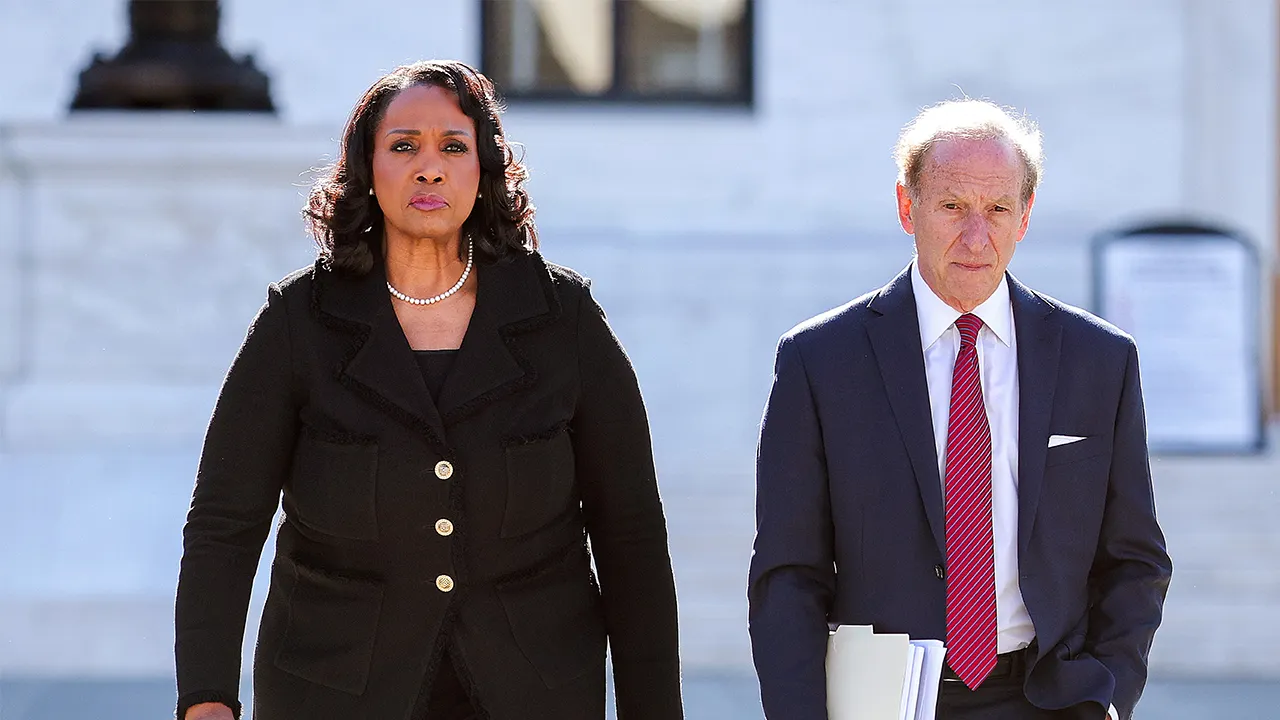
In an unprecedented constitutional showdown that could reshape the relationship between the presidency and America’s central banking system, Federal Reserve Governor Lisa Cook has firmly defended the Fed’s political independence following a Supreme Court hearing where justices considered President Donald Trump’s attempt to remove her from office. The case marks the first time in the Federal Reserve’s 112-year history that a president has tried to fire a sitting governor, raising profound questions about the boundaries of presidential power and the autonomy of an institution designed to remain insulated from political pressures.
“Research and experience show that Federal Reserve independence is essential to fulfilling the congressional mandate of price stability and maximum employment,” Cook declared in a statement released shortly after nearly two hours of oral arguments before the Supreme Court. Her words underscored the core principle that has guided American monetary policy for generations – that the Fed’s effectiveness depends on its ability to make decisions free from political interference. Cook’s pledge to “uphold the principle of political independence in service to the American people” reflects the gravity of what’s at stake in this constitutional confrontation, which extends far beyond her individual position to touch the foundation of America’s economic governance system.
During oral arguments, several justices, including Amy Coney Barrett, expressed serious concerns about the implications of allowing a president to summarily dismiss Fed governors. Barrett specifically referenced amicus briefs from economists warning that Cook’s removal could potentially “trigger a recession,” highlighting the real-world consequences that financial markets might face if the Fed’s independence were compromised. Justice Brett Kavanaugh captured this tension perfectly, noting that “it’s less important that the president have full faith in every single governor, and it’s more important that the markets and the public have faith in the independence of the Fed from the president and from Congress.” This judicial skepticism suggests the Court may be reluctant to grant Trump’s request for Cook’s immediate removal without proper process.
The dispute over Cook’s status represents just one front in a broader conflict between Trump and the Federal Reserve. The former president has repeatedly criticized Fed Chair Jerome Powell and other board members for their reluctance to lower interest rates as aggressively as Trump would prefer. These tensions reflect fundamental disagreements about monetary policy and the proper relationship between political leadership and economic management. Powell’s presence at Wednesday’s hearing, showing support for Cook, further illustrates how the Fed’s leadership views this case as a critical test of its institutional autonomy. The timing is particularly significant, as Cook is scheduled to participate in the next Federal Open Market Committee meeting later this month unless the Court intervenes.
The legal questions before the Supreme Court involve whether a president can fire a Fed governor “for cause” and what procedural protections, if any, must accompany such a decision. Though Trump’s legal team has framed the case narrowly around Cook’s specific removal, the justices appeared conscious that their ruling could establish precedent with far-reaching consequences for the independence of the Federal Reserve System. Created by Congress in 1913 specifically to function as a politically independent entity, the Fed was designed to prevent presidents from “stacking the deck” with their own nominees – a principle that now faces its most significant challenge in over a century of American central banking.
The outcome of this case could reshape the delicate balance of power between the presidency and one of America’s most consequential economic institutions. As Justice Kavanaugh suggested during arguments, the Court must weigh competing interests: a president’s authority to oversee executive agencies against the unique independence Congress granted the Federal Reserve to ensure economic stability beyond political cycles. Meanwhile, in a separate but related development, Fed Chair Powell recently revealed that the Justice Department had subpoenaed the agency over allegations he misled Congress regarding headquarters renovation costs – further evidence of growing tensions between the Fed and political authorities. As financial markets and economic policymakers await the Court’s ruling, the fundamental question remains whether America’s central bank will maintain the political independence that has defined it for generations, or whether presidential authority will expand into territory previously considered beyond direct political control.