






Judge Halts DHS Plan to End Immigration Programs Affecting Thousands
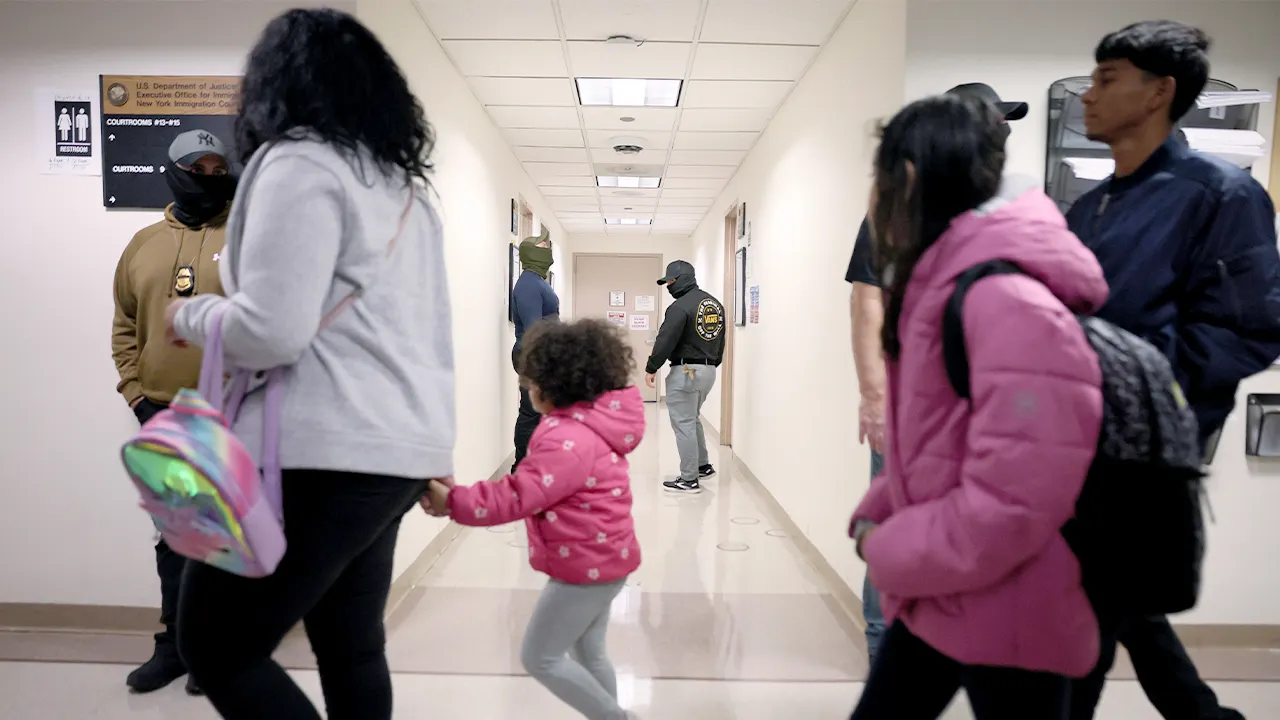
In a significant development for immigrant families across the United States, a Massachusetts federal judge has temporarily blocked the Department of Homeland Security from terminating several Family Reunification Parole (FRP) programs that affect migrants from seven countries. U.S. District Judge Indira Talwani issued a 14-day temporary restraining order, finding that the agency likely failed to provide proper notice to affected individuals before attempting to strip them of their legal status. The ruling represents a momentary reprieve for countless families caught in the crossfire of shifting immigration policies, highlighting the human impact of administrative decisions that can drastically alter lives with little warning.
The FRP programs in question have served as vital lifelines for relatives of U.S. citizens and lawful permanent residents, allowing them to enter the United States while awaiting immigrant visas—a process that often stretches over many years. These programs specifically benefit migrants from Colombia, Cuba, Ecuador, El Salvador, Guatemala, Haiti, and Honduras. For many participants, the programs have meant the difference between prolonged family separation and the opportunity to build lives together while navigating the complex path toward permanent residency. The DHS announced in December its intention to terminate these programs, characterizing them as an “abuse of humanitarian parole” that allowed “poorly vetted aliens to circumvent the traditional parole process,” signaling a desire to return to what the agency described as “common-sense policies” and an “America First” approach.
Judge Talwani’s ruling centers on a critical procedural issue: whether DHS provided adequate individual notice to program participants before terminating their status. The agency had claimed it would notify recipients through U.S. Citizenship and Immigration Services (USCIS) online accounts and by mail, informing them that their parole and related work authorization would end on January 14. However, the judge found “little evidence that people were actually notified,” noting that while DHS claimed “all FRP parolees under the modernized programs should have a USCIS online account,” nothing in the record demonstrated that most recipients actually possessed such accounts or had received proper notification through them. This technicality speaks to a broader issue of administrative fairness in how government agencies communicate life-altering decisions to vulnerable populations.
Behind the legal arguments lies the human reality of what these programs mean for families. FRP has enabled parents to reunite with children, spouses to build lives together, and families to support one another through the challenges of immigration and integration. When the DHS announced the termination, it noted that the decision would not apply to parole recipients who had filed Form I-485 (an application for permanent residency) by December 15, 2025, and whose applications remained pending. This exception offered some protection for those further along in the process, but still left many others facing sudden uncertainty about their legal status and ability to remain with their loved ones in the United States—a predicament that highlights the precarious nature of humanitarian parole as a pathway to family unity.
The court’s intervention reflects growing tensions between different visions of immigration policy and procedural justice. DHS under the current administration has characterized its approach as correcting what it sees as misuse of parole authority, emphasizing that “parole was never intended to be used in this way” and that the agency is “returning parole to a case-by-case basis as intended by Congress.” This perspective represents a significant shift from previous policies that had expanded humanitarian parole programs as mechanisms to address family separation while managing the backlog in visa processing. Judge Talwani’s order now requires DHS to produce records explaining its decision by January 13, establishing an expedited schedule for legal responses and effectively pressing pause on a policy change that would have affected thousands of families across the country.
As this legal battle unfolds in the coming weeks, it serves as a reminder of how immigration policies directly impact human lives beyond the rhetoric of national security or administrative efficiency. For the migrants from the seven affected countries, the temporary restraining order provides a moment of relief amid uncertainty—a chance to remain with families and continue working legally while the court examines whether proper procedures were followed. The case also underscores the critical importance of notice and due process in administrative law, especially when decisions affect vulnerable populations who may have limited access to legal resources or face language barriers in navigating complex government systems. Whatever the final outcome, this case highlights the ongoing struggle to balance immigration enforcement priorities with humanitarian considerations and procedural fairness in a system that profoundly shapes the lived experiences of immigrant communities.