


The Court’s Bold Stance on Immigration Detention
Imagine you’re an immigrant who has lived in the U.S. for years, built a life, and then one day you’re picked up and held without any chance to post bond to get out while your case drags on. That’s the reality for many under a policy upheld by a federal appeals court last Friday. The 5th U.S. Circuit Court of Appeals, in a 2-1 decision, ruled that the Trump administration’s approach to detaining illegal immigrants without bond hearings is perfectly legal under the Constitution and immigration law. This means the Department of Homeland Security (DHS) can hold people nationwide who’ve entered the country illegally, no matter how long they’ve been here or if they pose a flight risk. It’s a big win for stricter enforcement, but it paints a picture of families torn apart and lives on hold, raising questions about fairness and humanitarian concerns in an already divided nation.
Echoing Trump’s Tough Line
The ruling comes straight from the heart of immigration debates raging across America. In her opinion, Circuit Judge Edith H. Jones emphasized that “unadmitted aliens apprehended anywhere in the United States are ineligible for release on bond, regardless of how long they have resided inside the United States.” She pointed out that past administrations might not have used all their powers, but that doesn’t mean they didn’t have the authority to do just that. This approach targets what she sees as unauthorized presence, prioritizing national security over individual freedoms. For someone following this story, it might feel like a stern reminder of “law and order,” hardening borders against those who come without permission. Yet, it also highlights how prior policies allowed for more leniency, releasing many non-criminal immigrants who weren’t seen as threats—just to see that door slam shut now.
Celebrating a Victory Amid Controversy
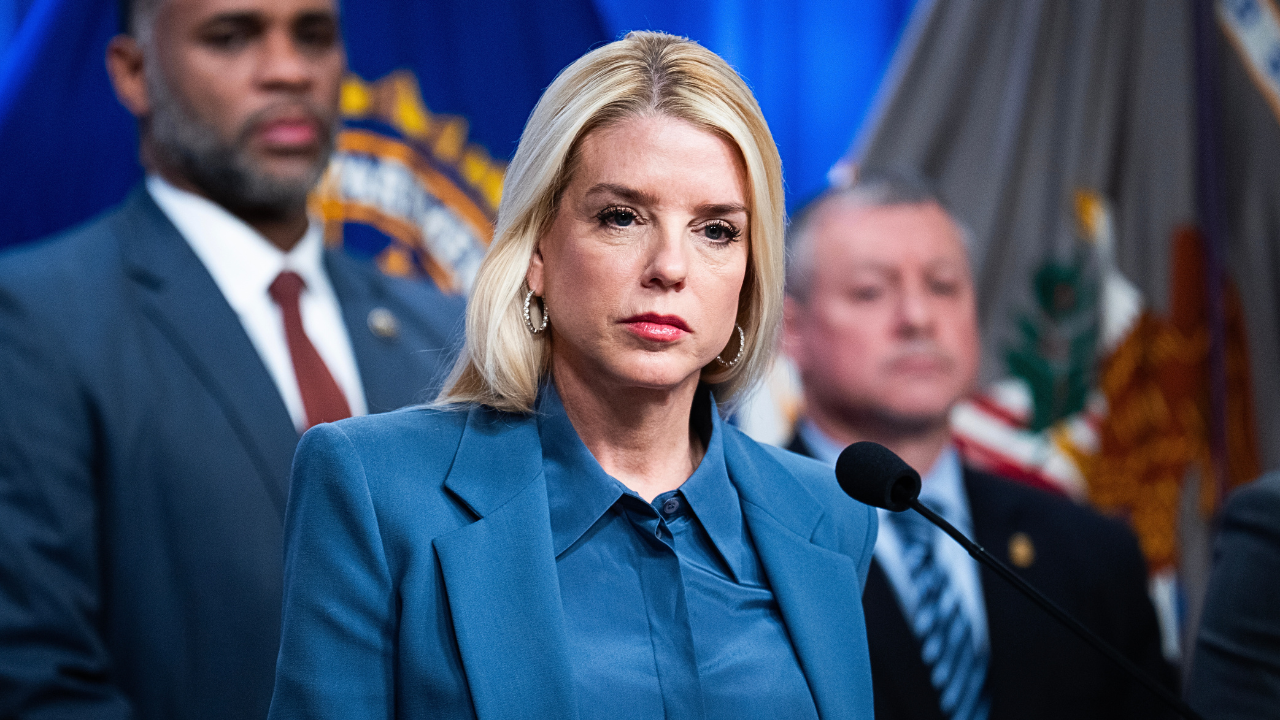
Attorney General Pam Bondi wasn’t shy about her triumph on X (formerly Twitter), where she called it “yet another crucial legal victory” for President Trump’s agenda. “The Fifth Circuit just held illegal aliens can rightfully be detained without bond — a significant blow against activist judges who have been undermining our efforts to make America safe again at every turn,” she wrote, thanking key players like Ben Hayes and the DOJ Civil Division. Her words capture the raw energy of a team pushing back against what they view as judicial overreach. It’s easy to feel the passion radiating through, like a coach celebrating a hard-fought game. But behind the celebration lies a policy that some argue stretches the intent of immigration laws, potentially affecting millions who contribute to communities—from working jobs to raising kids—without ever committing crimes.
The Human Cost of Detaining Families
Switching gears to the dissent, Circuit Judge Dana M. Douglas offered a poignant counterpoint, imagining how lawmakers from 30 years ago might react. “They would be surprised to learn it had also required the detention without bond of two million people,” she wrote, underscoring the scale of this policy. Among those detained are loved ones—spouses, parents, grandparents—of American citizens. Douglas’s voice adds a layer of empathy, reminding us that immigration isn’t just about statistics; it’s about real people with deep ties to this country. Picture a grandfather who’s called the U.S. home for decades, now locked up without recourse, unable to hug grandkids or uphold family traditions. Her dissent serves as a moral compass, questioning whether this blanket detention aligns with the spirit of a nation built by immigrants.
Roots in Real Cases
This ruling didn’t emerge in a vacuum; it stems from two cases filed last year against the Trump administration. Both involved Mexican nationals who’d been in the U.S. for over a decade, living quietly without criminal records and deemed low flight risks by their lawyers. Still, they endured months in jail—months away from loved ones, jobs, and normal life—until a lower Texas court granted them bond last October. The appeals court’s decision essentially reverses that leniency, reinforcing indefinite detention nationwide. For these individuals, it’s a story of perseverance amid uncertainty, highlighting how policy shifts can upend long-settled lives. It makes you wonder: how many similar stories are playing out right now, where dedication to family and work becomes secondary to immigration status?
Looking Ahead in a Divided Landscape
As this decision bounces through the legal system—potentially all the way to the Supreme Court—it underscores the broader battle over America’s identity and borders. Supporters see it as essential for safety, echoing Pam Bondi’s vow to “continue vindicating President Trump’s law and order agenda.” Critics, like Judge Douglas, fear it as a heavy-handed tool that punishes the innocent and divides families. Humanizing this means stepping into the shoes of those detained: men and women who crossed borders for opportunity, only to face a system that now holds them indefinitely. It’s not just news; it’s a chapter in the ongoing American story of immigration, balancing security with humanity. In the end, voices on both sides push for a system that reflects our values—who we let in, how we treat them, and what “home” truly means. The fight continues, with hearts and hopes hanging in the balance.