





FBI Intensifies Efforts Against Widespread Fraud in Minnesota
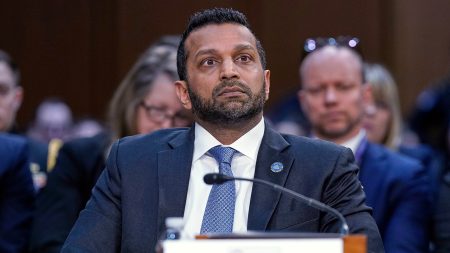
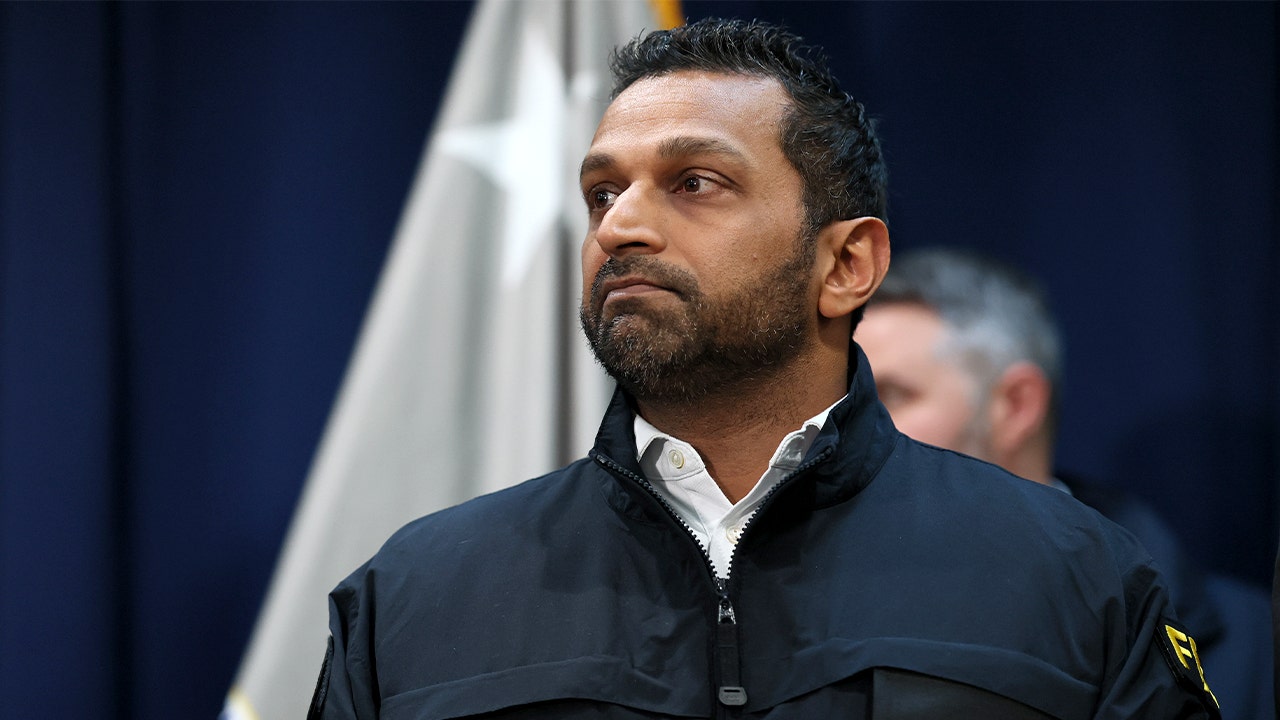
In a significant move to combat large-scale fraud, FBI Director Kash Patel announced an increase in personnel and investigative resources in Minnesota, highlighting the agency’s commitment to dismantling schemes that exploit federal programs. This decision precedes recent public attention but follows the high-profile Feeding Our Future investigation, which uncovered a staggering $250 million scheme that diverted COVID-19 pandemic food aid meant for children. The case has already led to 78 indictments and 57 convictions, with some defendants additionally charged with attempting to bribe a juror with $120,000 in cash. “The FBI believes this is just the tip of a very large iceberg,” Patel stated on social media, emphasizing that the investigation remains active and that many suspects may face additional immigration consequences, including possible denaturalization and deportation.
The intensified FBI attention comes in the wake of a viral video by independent journalist Nick Shirley that has sparked nationwide concern. The footage, shared widely on social media, documented numerous childcare and learning centers in Minnesota that appeared non-operational despite allegedly receiving millions in government funding. The visual evidence resonated strongly across political lines, prompting responses from prominent Republican lawmakers including House Majority Whip Tom Emmer of Minnesota and Representative Mike Lawler of New York, as well as Vice President JD Vance. Emmer directly criticized Minnesota Governor Tim Walz, accusing him of remaining passive “while billions were stolen from hardworking Minnesotans,” a claim that has gained traction as investigations deepen.
Adding further complexity to the situation, a group identifying itself as Minnesota Staff Fraud Reporting Commentary, claiming to represent over 480 state employees, has leveled serious accusations against Governor Walz. In November, this group alleged that Walz not only failed to act on early warnings about widespread fraud but actively retaliated against whistleblowers through monitoring, threats, and attempts to discredit their reports. The group further claimed that Walz undermined oversight mechanisms by disempowering the Office of the Legislative Auditor, effectively allowing state agencies to ignore audit findings and guidance. These allegations suggest systemic issues beyond individual fraud cases, pointing to potential structural failures in accountability and oversight within Minnesota’s state government.
Governor Walz has publicly addressed the fraud allegations, acknowledging their seriousness and the damage they cause to public trust. During a late November press conference, he stated that such fraud “undermines trust in government” and “undermines programs that are absolutely critical in improving quality of life.” Walz took a firm stance, declaring, “If you’re committing fraud, no matter where you come from, what you look like, what you believe, you are going to go to jail.” This statement represents an attempt to reassure Minnesotans that his administration takes the issue seriously, though critics continue to question whether these words will translate into effective action against what appears to be increasingly widespread problems.
The situation in Minnesota represents more than just isolated incidents of opportunistic fraud during the pandemic. According to reporting by The New York Times, what initially seemed to many Minnesotans as a limited case of pandemic-related fraud has expanded into a much broader concern for officials at both the state and federal levels. Law enforcement authorities have identified multiple fraud schemes that allegedly proliferated within sections of Minnesota’s Somali community over the past five years. These schemes reportedly involved creating companies that billed state agencies for millions of dollars of social services that were never actually provided to recipients, suggesting a pattern of systematic exploitation of government programs designed to help vulnerable populations.
The unfolding situation in Minnesota highlights critical vulnerabilities in government program oversight and the challenges of maintaining accountability in social service delivery systems. As the FBI continues its investigation, the case raises important questions about the balance between providing accessible services to communities in need and implementing sufficient safeguards against fraud. The political dimensions of the controversy also reflect deeper tensions about government efficiency, immigration, and community trust. For ordinary Minnesotans, especially those who depend on legitimate social services, the revelations about widespread fraud create uncertainty and potential stigma, while taxpayers question how systems designed to help the vulnerable could be so thoroughly exploited. As investigations proceed, the challenge for authorities will be not only prosecuting wrongdoers but also rebuilding robust, fraud-resistant systems that can effectively serve communities while maintaining public confidence.