






The Rise of Disability Claims on College Campuses
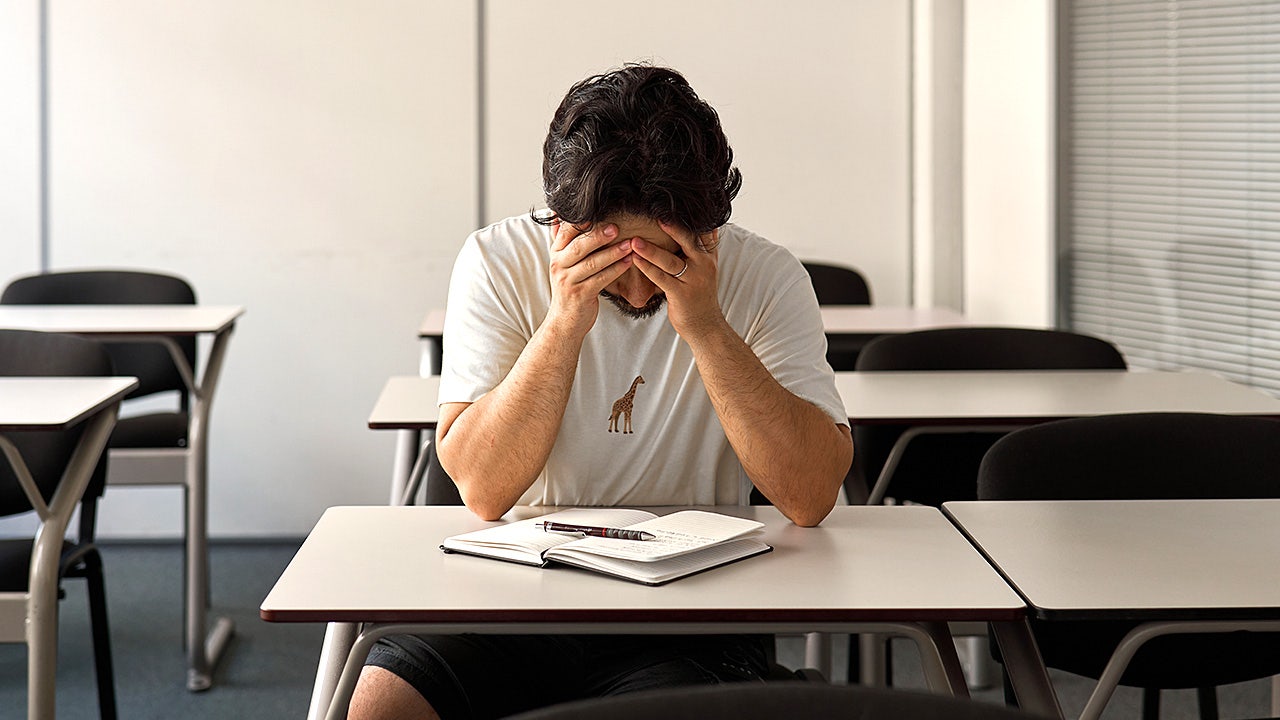
Imagine you’re a college student at a prestigious Ivy League school, juggling heavy coursework, social pressures, and the looming specter of financial aid debts. Life’s tough enough, but what if you could smooth out the edges just a bit by claiming a disability—like ADHD or anxiety—and landing perks such as extra time on exams or a single dorm room? That’s the reality playing out at universities across the U.S., where reports this week show an alarming increase in students registering disabilities, not always genuine ones. According to The Atlantic, at places like Brown and Harvard, over 20 percent of undergrads are now labeled as disabled, with Amherst hitting 34 percent. The twist? Experts aren’t buying it as a surge in real impairments; instead, it’s seen as students gaming the system for an easier ride in a demanding academic world. Take Stanford, where one student anonymously revealed in The Sunday Times that up to 40 percent might be faking it, including a classmate who scored those coveted accommodations without needing them. This trend highlights a broader cultural shift where discomfort is medicalized, and higher education’s well-intentioned support structures are being stretched thin.
Picture the scene at these elite institutions: campuses buzzing with ambitious young adults, many from high-achieving backgrounds, suddenly declaring conditions they’ve “discovered” to navigate college rigor. A Stanford student described a peer who blatantly admitted to the ruse, skipping actual disabilities but leveraging the Office of Accessible Education for benefits like longer test periods or exempted requirements. It’s not just anecdotal; data paints a picture of widespread misuse. At Stanford, initial reports suggested 38 percent of students were registered as disabled in 2023, but the university later clarified that this included anyone who signed up with the office, not just those getting accommodations. This has sparked debates about whether over-prepared high schoolers are suddenly overwhelmed by college demands, turning to easy outs rather than adapting. It’s a human story of ambition clashing with reality, where the pursuit of personal advantage overshadows fairness, leaving authentic disabled students sidelined.
From a personal perspective, it’s heartbreaking to think about how this affects real people. Sarah Parshall Perry, who has a disability herself and serves as Vice President and Legal Fellow at Defending Education, shared her frustration in a chat with Fox News Digital. She noted how genuine students are getting nudged aside by those exploiting the system, calling it a reflection of poor preparation for post-grad life. These claims, often for ailments like anxiety or dyslexia, come with tangible rewards that make the difference between struggling and thriving. But peaking in this trend is the emotional toll: it undermines trust in institutions meant to foster growth and equality. One has to wonder if this entitlement stems from helicopter parenting or societal shifts, where every bump is labeled a barrier. As Erika Sanzi from Defending Education pointed out, it’s all part of a “perverse incentive structure” where self-identified labels open doors, even without real need.
Experts weigh in with a mix of concern and sharp critique, emphasizing that while accommodations are vital for equity, they’ve morphed into loopholes. University of Kentucky Professor Zachary Marschall, also Campus Reform’s editor-in-chief, told Fox News Digital that true disabilities deserve protection, but mere “uncomfortability” isn’t grounds for special treatment. He frames this as indicative of Gen Z’s comfort culture, where higher ed enables self-centered demands instead of building resilience. It’s a call for balance—accommodating real challenges without letting schemes erode standards. Professors warn that over-accommodating risks diluting academic integrity, turning college into a game of who can navigate the bureaucracy best. Beneath it all is a human lament: young people, unprepared for rigors, are skipping personal growth for shortcuts, setting up society for a generation less equipped for challenges.
The gaming doesn’t end with health claims; it’s spilling into other areas, exposing deeper entitlement issues. The Sunday Times uncovered students at Stanford dodging the costly $7,944 meal plan by citing “religious dietary restrictions.” This maneuver sidesteps mandatory dining fees, allowing folks to eat cheaper elsewhere. It’s another facet of this comfort-seeking wave, where rules are bent for convenience, regardless of authenticity. On a personal level, such tactics feel manipulative, prioritizing individual perks over communal responsibilities. Universities, meant to build character, are instead enabling a culture of avoidance, where discomfort is avoided at all costs. This extends the disability trend, showing how one gray area opens floodgates for others, blurring lines between fair support and outright exploitation.
Universities are now reckoning with the fallout, responding to media scrutiny with promises of change. Brown and Harvard were contacted by Fox News Digital but didn’t immediately comment. Stanford, however, issued a statement admitting that past reports overstated disability registrations. Initially claiming 38 percent in 2023, they clarified it’s actually less than half for those receiving accommodations—dropping to 12.5 percent for fall 2024 undergraduates. This admission came after a review of federal reporting practices, signaling a push for accuracy to protect the system’s integrity. Still, the underlying issue lingers: a generation al disconnect between expectations and reality. For disabled students truly in need, this abuse feels like a betrayal—springing from hardships they’re born with or acquire, only to have appeals treated as suspect in a skeptic’s world. It’s a wake-up call for colleges to tighten safeguards while fostering real inclusion, ensuring education prepares students for life’s harsher truths, not just paper shields from them. In humanizing this, it’s a story of hope gone awry, urging empathy for all involved as we seek a fairer path forward.