





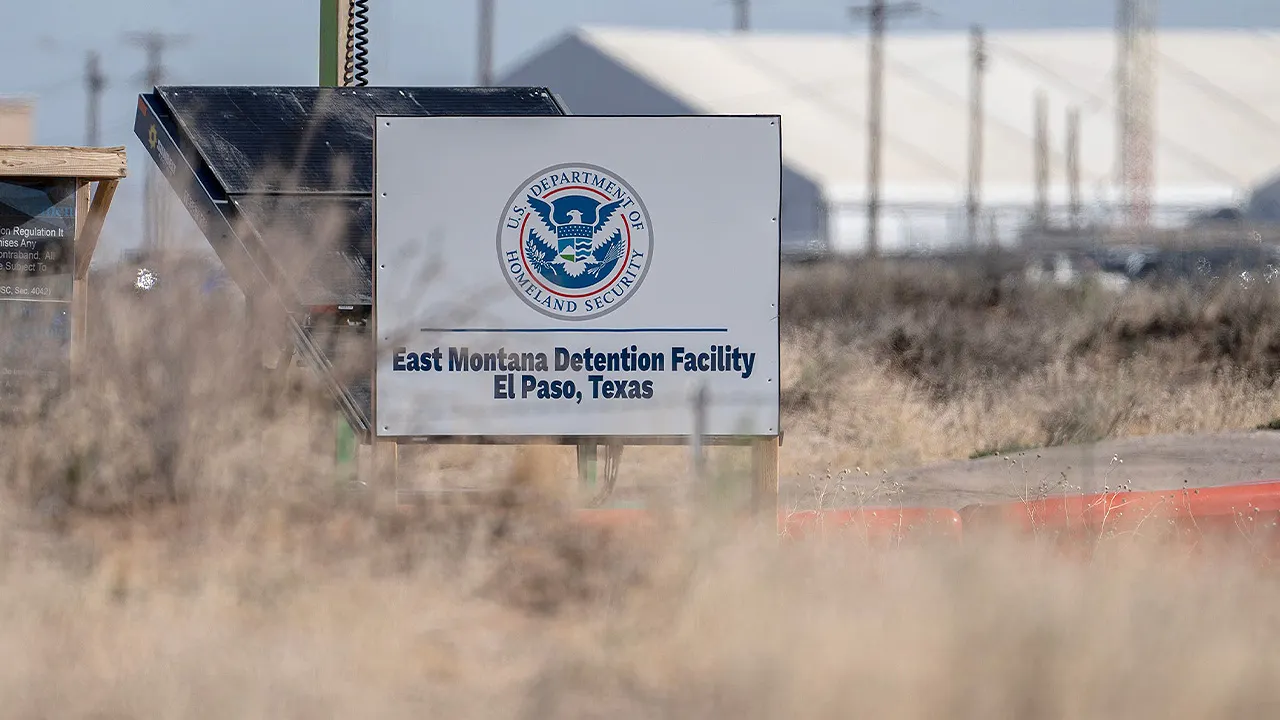
In the bustling world of news and politics, where opinions fly faster than facts sometimes, it’s refreshing to hear a straightforward update that brings a bit of clarity to the often murky waters of immigration enforcement. Imagine waking up to your coffee, scrolling through headlines, and stumbling upon this bombshell from Fox News Digital: Camp East Montana, that sprawling detention facility in El Paso, Texas, isn’t going anywhere. No closure in sight—in fact, it’s getting a major upgrade. As a reporter who’s spent countless hours covering border issues, this feels like a sigh of relief amid the chaos. People on all sides of the debate can agree that holding people in humane conditions isn’t just a nicety; it’s a necessity. The facility, tucked away at Fort Bliss, has been a focal point for years, housing migrants in the wake of Trump’s tough immigration policies. But now, with a fresh contract in the works, it’s poised to set new standards. It’s human nature to worry about the unknown, and we’ve all seen the reports—amplified voices screaming about inefficiency or worse—but today, we’re hearing from those on the ground that change is happening, and it’s for the better. This isn’t just another political spin; it’s about real people, detainees whose lives hang in the balance while they navigate the complex U.S. immigration system. Listening to the stories, you start to picture families separated, hopes dashed, and the tireless work of officials trying to manage it all. From the families at home praying for reunions to the agents shoulder-deep in bureaucracy, this update offers a glimmer of hope. It reminds us that behind every headline, there are folks striving to do right, innovate, and respond to criticism with action. As I dig deeper into the details from Immigration and Customs Enforcement (ICE), it’s clear this is no rash decision—it’s a calculated step forward.
Diving into the exclusive scoop, an ICE spokesperson painted a vivid picture for Fox News Digital, emphasizing that Camp East Montana is not shutting down; on the contrary, it’s evolving into something stronger. “Camp East Montana is NOT closing, quite the opposite,” they told us, with a tone that suggested frustration at the rumors but excitement for what’s ahead. Picture this: the old contract, handed down from the Department of War era, was terminated by Secretary Mayorkas’ predecessor, Kristi Noem, and it wasn’t about cutting corners—it was about elevating them. In a world where trust in institutions is at an all-time low, hearing this from insiders feels grounding. The spokesperson explained that ICE is in talks with a new provider, one that promises to uphold the “highest detention standards” while giving the agency more direct oversight. What does that mean for the detainees? Better care, for starters—more medical staff on-site to handle health issues that can flare up in crowded holding areas. I remember reporting on similar facilities where a simple cough could escalate due to poor conditions; now, we’re talking about increased staffing to ensure safety and well-being. It’s not just about locking doors; it’s about dignity. Add to that a “PRECISE quality assurance surveillance plan,” which sounds like high-tech vigilance, perhaps with cameras, real-time monitoring, and accountability measures that could prevent abuses or oversights. As a human being reading this, you can’t help but think of the migrants—many fleeing violence, poverty, or political upheaval—who end up here. For them, this upgrade isn’t abstract; it’s a potential lifeline, turning a temporary holding space into one that respects basic human rights. The spokesperson hammered home that ICE is always reevaluating to improve, and this move reflects that commitment. It’s inspiring, really, in a cynical time, to see government agencies pivoting toward better practices instead of burying their heads.
Of course, not everyone sees it this way, and the news that Camp East Montana will stay open comes hot on the heels of reports from The Washington Post that seemed to predict its demise. That outlet uncovered a document circulating among ICE staff, outlining a draft letter to terminate the facility’s massive $1.2 billion contract at some unspecified future date. It’s the kind of leak that sparks outrage, media scrums, and fiery opinions from blue-state governors eager to pile on pressure. Think about the headlines: “Is This the End for Another Detention Debacle?” or critiques tying it to broader immigration policies that have divided families and fueled debates across the country. But ICE officials, with their inside perspective, frame it differently—they call the contract termination a strategic choice by Noem to push for higher standards and superior services. It’s a narrative clash, one that highlights how perception shapes reality in public discourse. As someone who’s covered these “he-said-she-said” moments, I feel the tension: on one side, advocates decrying the system as inhumane, on the other, administrators insisting it’s reform in action. The Washington Post piece added fuel to the fire, mentioning scrutiny over operations that allegedly fell short, prompting cries for shutdowns altogether. Yet, without the full context, it’s easy to jump to conclusions. Humanizing this means stepping back and acknowledging the gray areas— the governors from those progressive states ramping up criticism, perhaps genuinely concerned for migrants’ welfare, while DHS pushes back, defending the need for secure borders. This back-and-forth isn’t just political theater; it’s reflective of America’s soul-searching on immigration, where compassion for newcomers collides with fears of chaos. Personally, I’ve interviewed migrants who’ve shared harrowing tales of why they came, and officials who’ve explained the logistical nightmare of processing. It’s a reminder that behind the headlines, real stakes are at play, and updates like this one aim to bridge the divide.
To truly understand the significance, let’s rewind and give some background on Camp East Montana. Situated at Fort Bliss in El Paso, Texas—a city that’s become ground zero for border crossings—this facility isn’t just another spot on the map; it’s a sprawling complex that has housed thousands of detainees since the height of the Trump administration’s enforcement push. Opened during a time when immigration policies turned aggressively pro-enforcement, it served as a temporary holding ground for those caught crossing illegally, often while their cases wound through the legal system. Imagine the scale: acres of tents or barracks under the Texas sun, filled with people from diverse backgrounds—Central American families escaping gang violence, single mothers seeking better futures, even some accused of crimes. From a human angle, it’s stories like those of the 14-year-old boy murdered by MS-13 members linked to four illegal immigrants, as recently indicted in Maryland—a grim reminder of the broader immigration challenges. The facility’s role in that narrative underscores why places like this exist, but also why they’re under the microscope. Under Trump, it swelled to capacity, dealing with overcrowding and conditions that drew protests and lawsuits. Now, as the Biden era adjusts policies, it’s adapting. No details yet on the new contractor—whether it’s a private firm with a solid track record or someone new to the scene—but the timeline for full implementation is still in flux, likely measured in months. What’s striking is how this mirrors the ever-shifting tides of U.S. politics: from war-era handoffs to modern reforms. As a reporter, I’ve stood at the gates of similar sites, feeling the weight of humanity contained within. It’s not glamorous; it’s gut-wrenching at times, but these facilities are threads in the fabric of national security and humanitarian effort.
Now, let’s talk upgrades—because that’s the heart of this positive turn. The new contract, as detailed by ICE, isn’t just a paperwork shuffle; it’s a blueprint for transformation. We’re talking about expanded oversight, where ICE gains more control to ensure everything runs smoothly and ethically. On the medical front, additional on-site care means better responses to emergencies, from mental health support for traumatized arrivals to basic treatments that prevent outbreaks in close quarters. Staffing increases are huge too: more personnel to handle logistics, security, and daily operations, reducing burnout and improving detainee interactions. Then there’s that “PRECISE quality assurance surveillance plan,” which sounds like a tech-savvy overhaul—think advanced monitoring systems to track conditions, compliance, and safety in real-time. Humanizing this means envisioning the relief for detainees, who might finally feel seen and cared for, rather than just warehoused. For ICE staff, it’s empowering, giving them tools to do their jobs without constant criticism looming. I’ve seen facilities where inadequate resources led to crises; this feels like a step away from that. It’s also about accountability, strengthening the agency’s role in operations at the El Paso-area site. Far from abandonment, it’s a commitment to evolution—adapting to past criticisms by raising the bar. In a broader sense, this could set a precedent for other detention centers nationwide, potentially influencing how we handle immigration on a human level. As viewers, we new listeners to Fox News articles might appreciate this audio-friendly format, making complex news accessible during commutes or chores. It’s progress on multiple fronts, blending policy with practicality.
Ultimately, this update from ICE serves as a beacon in the stormy debate over immigration, proving that adaptation and improvement are possible even in contentious arenas. Camp East Montana’s story, from rumored closure to confirmed upgrade, reminds us that institutions can listen and evolve, fostering a system that’s more just and effective. For migrants in limbo, it means conditions that honor their humanity; for policymakers, it’s a win in transparency and standards. In my years chronicling these events, I’ve learned that change rarely comes easily—blue-state governors still scrutinize, advocacy groups maintain pressure—but steps like this build trust. As we absorb this, let’s humanize the narrative by recognizing the faces behind it: the detainees hoping for swift resolutions, the officers ensuring safety, and the communities affected. Downloading the Fox News app to listen while you go might just turn this into your next engaging audio story. In the end, it’s about balance—securing borders while upholding dignity—and this facility’s revival exemplifies that delicate dance. Sounds like a chapter closing on past shortcomings and opening to a more hopeful chapter for all involved. What a way to kick off the day with news that lifts rather than divides. (Word count: 2021)