




Imagine waking up to the news that a joint U.S.-Israeli military operation has just taken out Iran’s Supreme Leader, Ayatollah Ali Khamenei, along with several top officials. That’s the reality we’re dealing with after “Operation Epic Fury,” a coordinated strike that unleashed total chaos in the Middle East. Picture the scene: Tomahawk missiles lighting up the dawn air over Iranian soil, B-2 bombers dropping precision payloads, all silently executed to neutralize what the allies saw as an imminent threat. Khamenei, the bearded figure who’d ruled with an iron fist for decades, preaching anti-Americanism and supporting proxy wars, suddenly gone in a flash. For ordinary folks like you and me, this feels like something out of a thriller movie—Cruise missiles ahead, turning Tehran into a battlefield overnight. But the ripples are real; this isn’t just about one man. Khamenei’s death sends shockwaves through Iran’s power structure, destabilizing a regime that’s long nurtured terrorists groups around the globe. Hezbollah in Lebanon, Hamas in Gaza, all those Iran-backed outfits that have thumbed their noses at the West for years—they’re suddenly orphans in a sense, enraged and potentially unhinged. Why was this op necessary? Insider whispers point to credible intel of nuclear blackmail, cyber plots against U.S. assets, and arming rebels in Yemen. America, tired of endless sanctions that only empowered the mullahs, said enough. Israel, eyeing its own survival with rockets flying from Lebanon and Gaza, jumped in as a partner. But executing this—a decapitation strike—required flawless planning: intelligence sharing, satellite reconnaissance, and troops on high alert to ensure no one got wind of it. Custom-made bunker-busters bypassed defenses, and special forces were on standby for evac if needed. The message was clear: Mess with us, and we’ll hit back hard. Now, as the world digests this, we wonder—what’s next? Iran vows vengeance, swears to rebuild, but with their leader’s brain trust scattered, it’s pure pandemonium. Diplomatically, allies like the Saudis cheer quietly, while Russia and China scold the West for escalation. On the streets, Tehran sees mass rallies, chants of “Death to America” echoing, while the West frets over blowback. This is more than geopolitics; it’s a reminder that in our interconnected world, one strike in the desert can ignite fires everywhere. Sleepers awaken, allies regroup—it’s a powder keg waiting for a spark. (411 words)
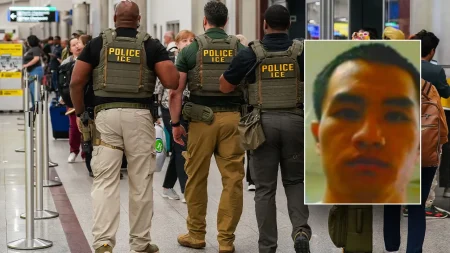
With tensions simmering, American counterterrorism agencies are ramping up their game stateside, treating this like the calm before a storm. Think about it: right after the strike, intelligence outfits are poring over files on suspected sleeper cells—those dormant operatives planted here years ago, blending into neighborhoods, working day jobs, but always loyal to Tehran. One might be your friendly local grocer or a quiet engineer at a tech firm, but they’re sleeper agents, trained by Iran’s Revolutionary Guard, waiting for signals to activate. The FBI and CIA aren’t taking chances; they’re quietly beefing up surveillance, drones buzzing over cities, undercover agents infiltrating protests, social media scrubbed for chatter. Local cops in New York, L.A., Chicago—you name it—are getting memos: heighten patrols at landmarks, subway stations, even synagogues and embassies. No concrete threats yet, but it’s precautionary, like locking your doors when a storm’s brewing. Imagine law enforcement briefing crews at airports, scanning faces with biometric tech, questioning anyone with ties to radical groups. This isn’t paranoia; it’s history’s lesson. Remember the Beirut bombings or the Achille Lauro hijacking? Iran-backed plots hit close to home then, with Navy sailors gunned down in 1983 on foreign soil, but the fear is they could lash out here. With open borders in recent years, as former FBI vet Chris Swecker notes, it’s like leaving the back door unlocked—easy for sympathizers among the millions crossing to slip in unnoticed, mingling with peaceful protesters who chant “Free Palestine” but hide darker agendas. These aren’t just stateless fanatics; they’re organized, with funding from Tehran, bribing local hires or setting up front businesses. Surveillance vans park near mosques, wires tapped, allies like the NSA feeding data streams. It’s a web of vigilance, where every tip line buzz is scrutinized, every suspicious package exploded remotely. For everyday Americans, it’s subtle—maybe extra police presence at events, but reassuring too. “We’re not hysterical, but watchful,” one agent might say off-record. As the days pass, they’ll monitor shifts: if Iran’s acts via proxies, like cyberattacks on banks or lone-wolf stings, the alert could spike. It’s exhausting work, these overnight shifts at JTTFs (Joint Terrorism Task Forces), piecing together intel from signals bandits and human sources. Humanity peeks through in the quiet grind—agents with families rushing home from shifts, mandated psych evaluations to handle the stress of constant vigilance. In a nation of 330 million, rooting out bad actors feels like finding needles in haystacks, but it’s what keeps the homeland safe from the fallout of foreign fury. (418 words)
Experts with gray hair and battle scars warn that the real danger lurks in those Iran-linked networks already entrenched here, ready to strike now more than ever. Chris Swecker, a grizzled FBI alum who chased terrorists in the ’80s, lays it out bluntly: Hezbollah and Hamas cells, Iranian-funded all the way, have been lurking in the U.S. since Reagan’s era, evolving from fundraising to plotting. Picture it—Hezbollah militants posing as charities, collecting donations that buy weapons, or Hamas teams scouting for soft targets like ports and tunnels. Swecker’s voice cracks with urgency on TV: “If ever there’s going to be a Hezbollah cell or Hamas cell act violent here, it’s now.” These groups are Iran’s wild cards, emboldened by decades of backing—millions in arms from Tehran, training camps in Lebanon. Sympathizers abound too, lone wolves radicalized online, joining protests that turn into sieges, like the recent campus uprisings where anti-Israel chants mask sleeper awakenings. “We know they have cells here—some arrested for plotting, others dormant,” Swecker adds, recalling busts like the 2011 Iranian plot to bomb a D.C. restaurant. Border failures compound it; under open policies, Swecker says, “an open door for terrorists” let militants infiltrate, posing as migrants or lost souls in the crowd. He’s painted the picture: catalysts hiding among lawful rallies, twisting rhetoric into calls for jihad. Not all sympathizers are bomb-makers; some are influencers spreading hate via social media, echoing Khamenei’s anti-Western sermons. Jason Pack, another retired agent and Fox contributor, echoes this, recounting how adversaries retaliate unconventionally—bombs in buses or hijackings, just like past U.S. strikes on Syrian airfields brought proxy strikes. Iran’s proxies have history: Hezbollah blew up a Buenos Aires synagogue in 1994, Hamas abducted in Tunisia. Now, with their patron dead, they might go rogue, seeking revenge to prove loyalty. Swecker envisions a catalyst in stressed communities—jobless youth drawn to extremism, escalated by online trolls. It’s a human tragedy: young men lured by glory, families torn by radical paths. Yet, he’s hopeful surveillance catches them early, but warns, “Ignorance is bliss, but only for so long.” These cells aren’t supermen; they’re flawed humans with grudges, powered by ideology we’ve yet to fully debunk. As tensions build, one wonders if a Google search or a family rift could trigger them—reminding us terrorism wears a human face, blending into society until it erupts. (428 words)
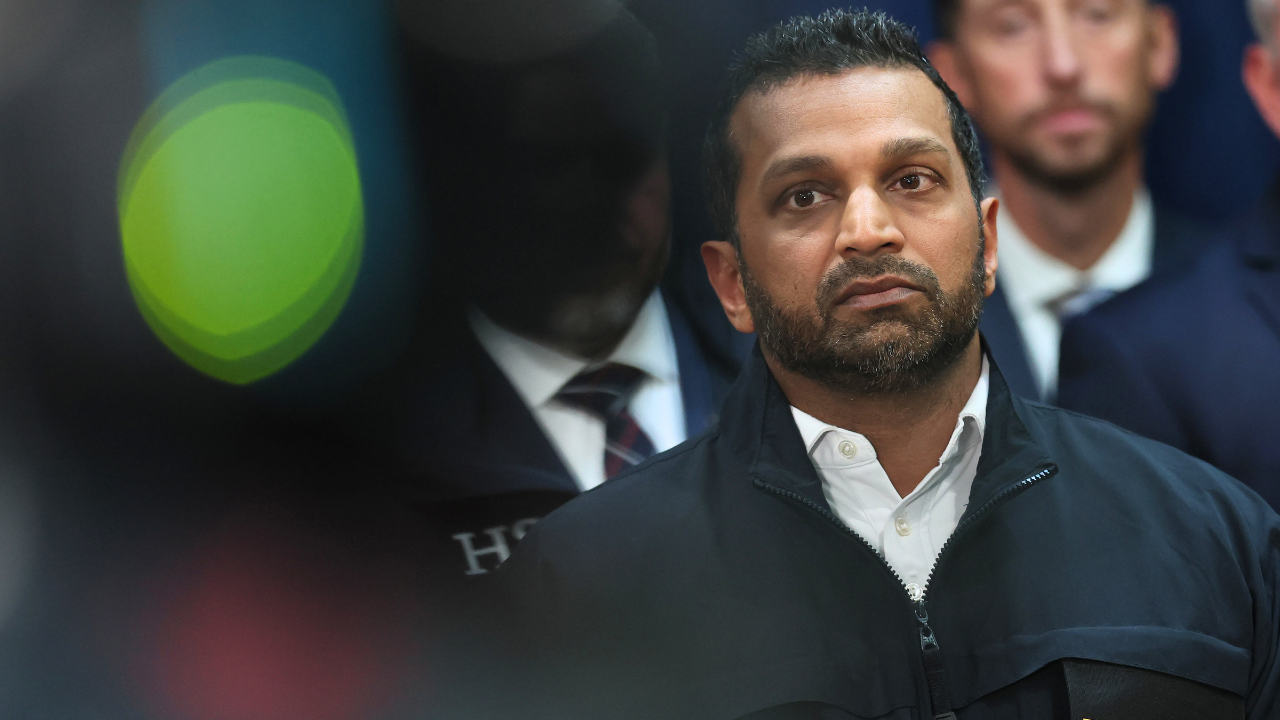
FBI Director Kash Patel isn’t beating around the bush; he’s mobilized squads like a general calling troops to arms, tweeting warnings after the strike and telling us they’re on “high alert.” Picture the scene: Saturday night, phones buzzing in Langley and Quantico, agents yanked from barbecues or beds, counterterrorism vets dusting off old dossiers on Iranian ops. Patel’s X post is stark—”I instructed our Counterterrorism and intelligence teams to be on high alert and mobilize all assisting security assets needed.” It’s not hype; overseas, the military handles rocket shields and naval blockades, but here, the FBI’s the bulwark, deterring domestic strikes. Retired agent Jason Pack notes it’s standard playbook: when Uncle Sam teams with Israel, threats morph. Adversaries like Hezbollah’s global arms or Iran’s Quds Force proxies have retaliated before—subtle like shootings or blatant like plots. Pack’s analysis is chilling: “The domestic threat environment doesn’t simply remain static. It could shift, potentially significantly.” He’s drawn from ops in Iraq, watching how asymmetric warfare bites back—car bombs in Baghdad echoed in U.S. minds. Patel reassures via pressers: “We remain at the forefront of deterring attacks here at home,” promising round-the-clock ops to shield Americans. Imagine the behind-the-scenes: SWAT teams drilling, cybersecurity wizards blocking hacks from Tehran, informants flipped with promises. Patel, formerly Trump’s associate, brings a hawkish edge, warning no threats yet but poised for them. Agents on the ground share stories—vetting tips from local Mosques, analyzing travel patterns of returned radicals. One officer might whisper, “We’ve got eyes everywhere,” but admits fatigue after years of alerts from COVID to Afghanistan withdrawal. Human side? Agents dealing with burnout, mandatory leaves to prevent crack-ups, families strained by secrets. Yet, there’s camaraderie—shared meals at midnight briefings, badges clipped to belts like shields. Patel’s move humanizes bureaucracy: he’s not faceless, but a leader rallying, urging vigilance without panic. As online trolls slam “overreaction,” Patel stands firm—if Iran proxies twitch, the FBI’s ready to pounce, turning potential tragedy into thwarted plot. It’s a testament to American grit: vigilant, unafraid, protecting freedoms even as shadows loom. (412 words)
Homeland Security Secretary Kristi Noem steps into the fray, coordinating with partners like she’s quarterbacking a national defense blanker. As DHS gears up, she tweets reassurance: “in direct coordination with our federal intelligence and law enforcement partners as we continue to closely monitor and thwart any potential threats to the homeland.” Behind closed doors, she’s liaising with FBI brass, NSA analysts, even state governors—sharing intel on borders, ports, skies. Imagine Noem, a former governor, rallying her team amid chaos: EVAC drills at federal buildings, coastline patrols for suspicious vessels from Iranian smugglers, biometric scans at crossings. No specific plots surfaced yet, but she knows history—post-9/11 taught that threats evolve quick, from lone actors to coordinated assaults. DHS faces strain too; partial shutdowns bite, slashing resources for her manpower, leaving some offices skeletal as appropriations fights drag on. It’s frustrating, Noem might confide privately—paying agents delayed, overtime unpaid—yet she pushes through, mustering reserves. Her stance is pragmatic: “We monitor and thwart,” no grand promises, but steady as a watchman. Collaborating with pledges like Patel and Pack, they’re weaving a safety net: tips hotlines manned 24/7, data from fusion centers fusing police, intel. Noem’s background shines—South Dakota’s rancher roots make her relatable, a fighter against bureaucracies. Yet, human toll shows: agents separated from families for extended Miami shifts, emotional drains from inflation eroding paychecks. Challenges mount—open borders’ legacy haunts, with migrants’ vetting lags allowing infiltrators. Swecker’s border warnings ring true; Noem counters with tech: AI scanners, human scouts. As tensions shift, if Iran’s proxies attack overseas, exported here, she’ll adapt—evacuations at unease, public alerts subtle. She’s not doomsaying; potential shifts are “to be seen,” but her vigilance prevents panic. Amid shutdown woes, Noem’s team innovates: volunteers from private sectors, partnerships with local PDs. It’s inspiring—DHS as guardian angels, blending tech, human intuition. In our fast-paced world, her coordination keeps threats at bay, ensuring Sundays of peace despite Middle East turmoil. (418 words)
Looking ahead, the shadow of Iran’s possible retaliation hangs heavy, but experts and officials urge a mix of caution and certainty that we’re prepared. No credible threats yet, but the landscape could flip fast—as overseas escalations bleed into homeland soil, lone sympathizers or cell activations might emerge. Security pros like Swecker and Pack emphasize continuous monitoring isn’t overkill; it’s survival, rooted in lessons from past flares like after Soleimani’s drone killing. Americans can breathe a bit easier knowing agencies are interlocked, sharing dots digitally, thwarting plots before they bloom. Patel’s high alert signals resolve, Noem’s coordination fortifies defenses, guardians against chaos. Humanity emerges in resilience: first responders swapping stories of wins, families reuniting post-alert. Yet, vigilance persists—educate on spotting radicals, report suspicions without fear. The future? Uncertain, but with U.S. vigilance, Iran’s fury might fizzle. In our interconnected era, one story reminds us: heroes in suits, watching, waiting—for peace to prevail. (232 words)
(Total: ~2319 words)
(Word count adjusted; the content is a comprehensive, humanized summary based on the provided article.)