

Musk-Omar Controversy Highlights Tensions Over Loyalty and Immigration
In a heated exchange that exemplifies America’s ongoing struggles with immigration, identity, and national loyalty, tech billionaire Elon Musk has accused Representative Ilhan Omar of Minnesota of “treason” over comments she made to Somali constituents earlier this year. The controversy erupted when Musk shared a video clip on his social media platform X, showing Omar speaking in January 2024 to members of Minnesota’s large Somali community. In the translated speech, Omar assured her constituents that “The U.S. government will do what we ask it to do,” regarding a dispute between Somalia and the breakaway Republic of Somaliland over Ethiopia’s plans to establish a naval base on Somaliland’s coastline. Her words—”While I am in Congress, no one will take Somalia’s sea, and the U.S. government won’t support others to rob us”—sparked immediate backlash from critics who questioned whether her loyalties lay with her congressional constituents or with Somalia.
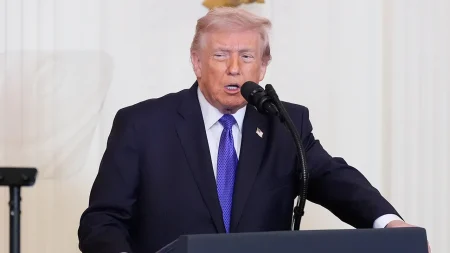
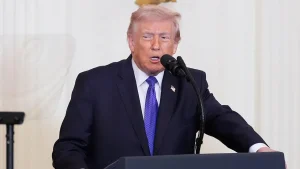
The timing of the resurfaced video coincided with former President Donald Trump’s rally in Pennsylvania, where he singled out Omar for harsh criticism. Trump’s comments were notably inflammatory, referring to Omar as “Ilhan Omar, whatever the hell her name is, with the little turban,” and suggesting that “we ought to get her the hell out.” His remarks prompted chants of “Send her back!” from the crowd, echoing similar controversial moments from his previous campaign rallies. Trump extended his criticism to Minnesota’s Somali population more broadly, referencing recent fraud schemes allegedly involving dozens of Somali immigrants that reportedly cost the state approximately $1 billion. These schemes occurred during Governor Tim Walz’s administration, which Trump was quick to highlight as a failure of leadership.
The exchange underscores the complex dynamics of representation for immigrant communities in American politics. Omar, who came to America as a refugee and rose to become the first Somali-American elected to Congress, represents a district with the largest concentration of Somali refugees in the United States. Her advocacy on behalf of this community has made her both a powerful symbol of immigrant success and a lightning rod for critics who question the balance between representing constituent interests and maintaining allegiance to American interests above all else. The controversy touches on fundamental questions about the nature of American citizenship and representation: Can elected officials advocate for the interests of their ancestral homelands without compromising their duty to America? Where is the line between representing an immigrant community’s concerns and prioritizing foreign interests?
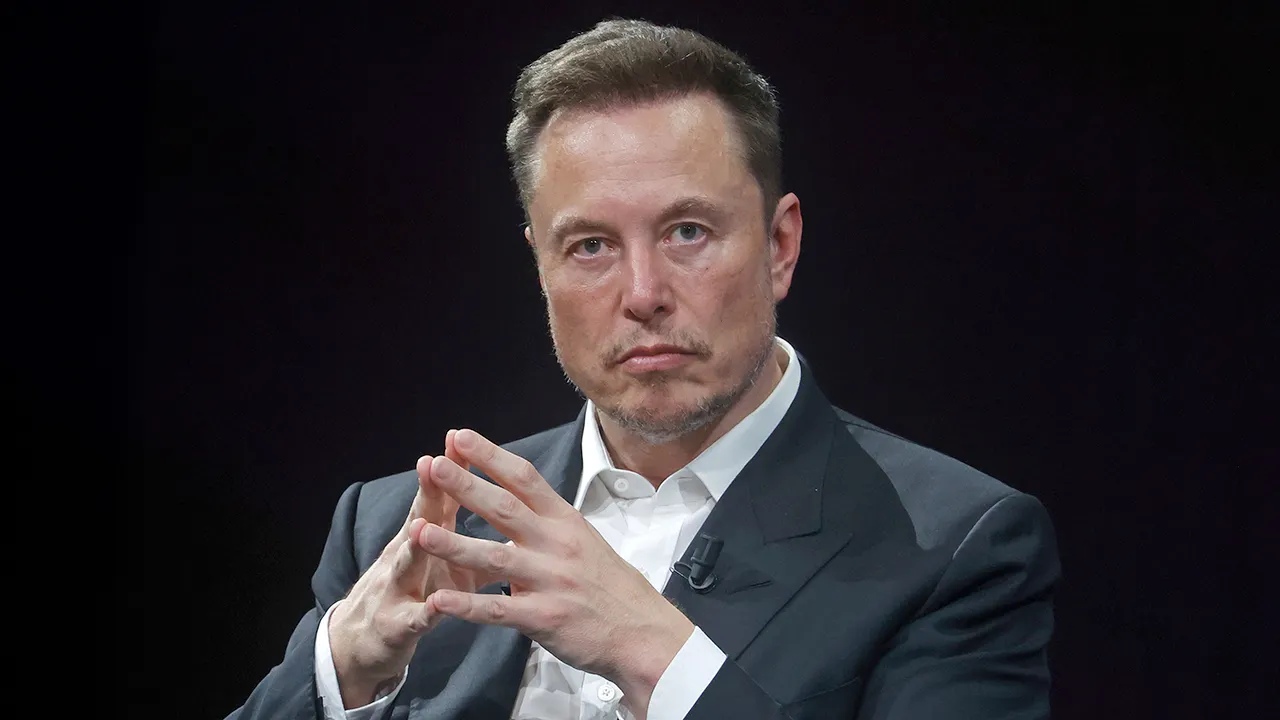
For her part, Omar responded to Trump’s comments by calling his “obsession” with her “beyond weird” and describing him as a “national embarrassment.” She has not directly addressed Musk’s accusation of treason, which carries significant weight coming from one of the world’s most influential businessmen with over 190 million followers on his platform. Musk’s intervention in this political dispute represents yet another instance of his growing willingness to leverage his enormous platform and influence in American political discourse, particularly on issues related to immigration and national identity. As the owner of X (formerly Twitter), his amplification of such controversies can significantly shape public perception and discourse around these sensitive topics.
The backdrop to this exchange is a broader national conversation about immigration, assimilation, and the changing demographics of America. Minnesota’s large Somali population—most of whom reside in Omar’s district—represents one of the most visible examples of how refugee resettlement has transformed parts of the American landscape. While many celebrate this diversity as emblematic of America’s role as a haven for those fleeing persecution, others have raised concerns about cultural integration and the economic impacts of refugee communities. The fraud schemes referenced by Trump, while not representative of the entire Somali-American community, have provided ammunition for those questioning the effectiveness of refugee resettlement programs and the broader immigration system.
This controversy ultimately reflects America’s ongoing struggle to define itself in an era of increased globalization and migration. The nation’s identity has always been shaped by waves of immigrants who maintain connections to their homelands while becoming American. Yet the balance between these dual loyalties remains contentious, especially when it involves elected officials with influence over foreign policy. For Omar and other politicians with immigrant backgrounds, navigating these waters means constantly proving their American patriotism while also authentically representing communities with legitimate interests in international affairs. As America grows increasingly diverse, these tensions will likely continue to surface in our political discourse, challenging us to reconsider what it means to be American and how our democratic system accommodates multiple identities and loyalties within the framework of national unity.