




Juan Hugo Tobay Robles: A Life Interrupted by Immigration Shadows
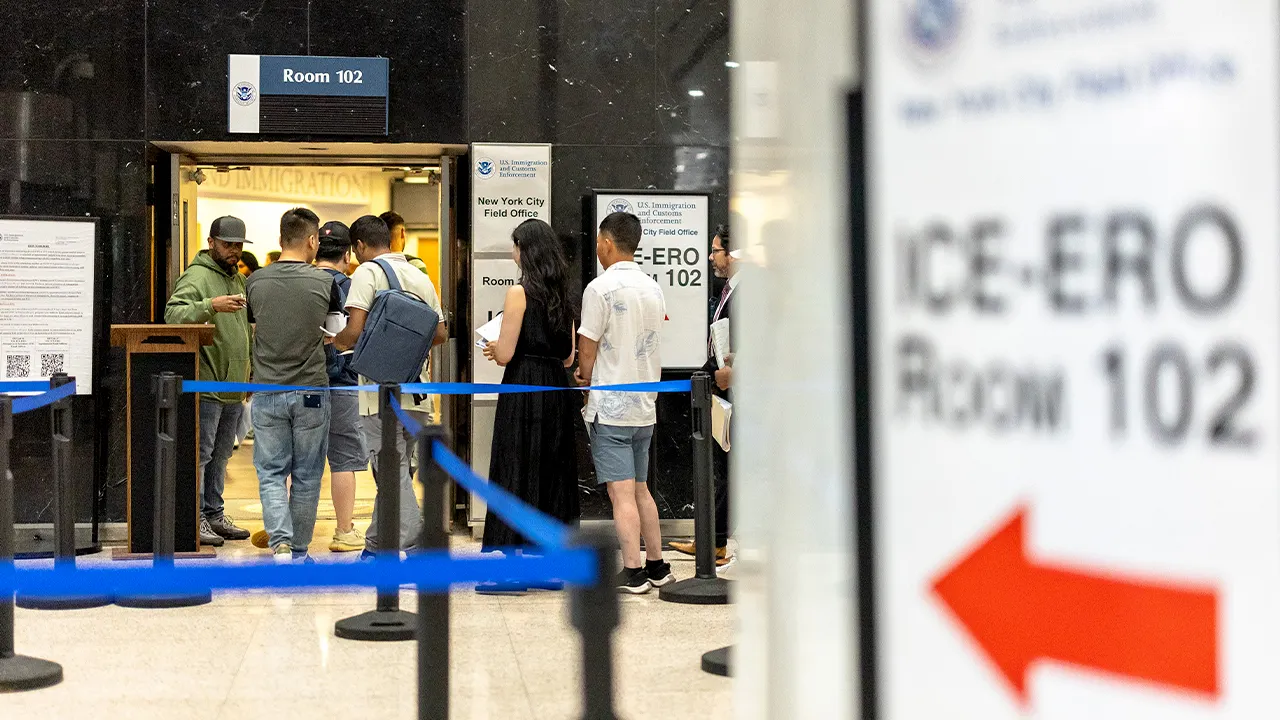
Imagine waking up one day to the iron grip of immigration authorities, not as a stranger to this land, but as someone who’s spent over two decades building a life here. That’s the reality for Juan Hugo Tobay Robles, a 40-something man from Ecuador whose story unfolds like a quiet tragedy in the vast, impersonal machinery of the U.S. immigration system. Born and raised in Ecuador, Robles crossed into the United States as a minor around 1999, slipping across the border without proper documentation—likely driven by the same dreams of opportunity that have drawn millions: a chance at work, safety, and perhaps a family of his own. Now, flash forward to 2023, and he finds himself ensnared in a twist of fate, detained in Texas, far from the community he’s carved out over the years. It’s not just about paperwork; it’s about the human toll. Think about the fear that must have coursed through him—the uncertainty of deportation, the aching separation from loved ones, the relentless anxiety of not knowing if today would be the day he’s sent back to a life left behind long ago. Stories like his aren’t just headlines; they’re woven into the fabric of families across the U.S., where single parents juggle jobs and childcare while facing the specter of family separation. Robles, reportedly living and working quietly, perhaps in a job that feeds his family or supports aging parents back home, embodied the silent struggle of many undocumented immigrants who contribute to the economy but live in constant limbo. His release on Tuesday, just a day after a judge’s damning ruling, brought a spark of hope, but it underscored a system that often feels cruelly indifferent to individual lives. As his attorney, Graham Ojala-Barbour, shared with Fox News Digital, the news of his freedom from detention was bittersweet—celebration tempered by the knowledge that this ordeal was a microcosm of broader failures. In humanizing terms, Robles isn’t a faceless statistic; he’s a person whose vulnerability clashed with bureaucratic inertia, leaving us to ponder how a nation built by immigrants can sometimes treat them with such disregard.
The Legal Battle Unfolds: Defiance in the Courts
Delving into the heart of judiciary intervention, the story of Juan Hugo Tobay Robles illuminates the clash between individual rights and institutional disregard. On Monday, just before his release, U.S. District Judge Patrick Schiltz issued a scathing three-page ruling that flipped the script on U.S. Immigration and Customs Enforcement (ICE). The judge pointed out that ICE had blatantly ignored a court order from January 14, which mandated a bond hearing for Robles within seven days. In the cold logic of the law, this wasn’t optional—it was an imperative, with a clear stipulation that if the hearing didn’t happen, Robles must be released immediately. For those unfamiliar with the immigration detention world, picture this: a man held in limbo, waiting for his day in court while days stretch into weeks, his fate dangling like a thread in a web of red tape. Schiltz didn’t mince words; he called out the failure as part of a “broader pattern,” one where ICE had thumbed its nose at dozens of similar court orders in recent weeks. This wasn’t rogue incompetence—it was systemic, causing untold hardship for detainees who endured prolonged detention, forced transfers, and the emotional carnage of separation from loved ones. Humanizing this, imagine the nights Robles spent in a Texas facility, staring at concrete walls, worried about how his wife or children were coping without him. The funds allocated to lawyers, the missed work shifts, the mental wear of incarceration—it’s not just policy; it’s lives strained to the breaking point. Judge Schiltz’s patience, he noted, had reached its limit with the Trump administration’s aggressive enforcement tactics, which sent thousands of agents into hotspots like Minnesota without the backup systems to handle the avalanche of habeas corpus petitions and lawsuits that followed. For Robles, this meant that a simple oversight by the agency jeopardized his freedom, highlighting how fragile justice can be in the face of overworked bureaucracies. The ruling was a wake-up call, reminding us that behind every courtroom drama is a person whose dreams are held hostage by decisions made in distant offices.
A Judge’s Stern Rebuke: Calling Out the System’s Leaders
In a move that sent ripples through the halls of power, Judge Patrick Schiltz escalated his ruling to demand accountability at the highest levels, turning the spotlight on ICE’s leadership and forcing a reckoning. He ordered Todd Lyons, the acting director of ICE, to appear in person before the court to explain why he shouldn’t be held in contempt—a rare and dramatic step that underscored the “extraordinary” nature of ICE’s violations. The judge wrote that lesser measures had been exhausted, and the agency’s defiance had crossed a line, inflicting “significant hardship” on detainees like Robles who were caught in the fallout. This wasn’t just about one man; it was a condemnation of a pattern repeated across cases, where court orders were treated as optional rather than binding. Humanely speaking, envision Lyons, a bureaucrat thrust into the hot seat, having to justify decisions that ripple outward, affecting families grappling with uncertainty. For Robson—or any detainee—this contemptuous posture felt personal; it’s the difference between humane treatment and cruel indifference. Schiltz contrasted this against the backdrop of the prior administration’s strategies, noting that the mass deployment of agents without adequate infrastructure invited precisely these legal showdowns. The judge had previously shown leniency, acknowledging the Trump-era policies, but now his tone was one of exasperation: court patience was “at an end.” Interestingly, because Robles was released shortly after, the personal appearance was waived, but the underlying issue lingered—a system where detainees bear the brunt of executive oversights. In human terms, this is about empathy forgotten; detainees aren’t pawns in a political game but parents, workers, and community members whose prolonged suffering stems from leadership choices. The ruling echoed broader frustrations, like the emotional toll on a five-year-old boy and his father detained in a Minnesota operation, illustrating how immigration enforcement can devastate the innocent. For those affected, the judge’s words offered a glimmer of justice, but they also begged the question: how many more stories like Robles’ must unfold before systemic change?
Echoes of Broader Immigration Turmoil: The Minnesota Misstep
Zooming out from Robles’ individual plight, his case reflects a larger narrative of immigration enforcement gone awry, particularly in the embattled operations of the Trump administration. Reports from NBC News highlighted how Robles, as an Ecuadorean citizen who entered without inspection as a teenager, symbolized the waves of migrants who quietly integrated into American society despite precarious status. But the real tempest came when the administration ramped up efforts, dispatching thousands of agents to Minnesota—an area hit by a surge in asylum seekers—without the logistical support to manage the inevitable legal challenges. This miscalculation spawned “hundreds of habeas petitions and other lawsuits,” overwhelming courts and prolonging detentions. Humanizing this chaos, consider the ripple effects: fathers like Robles torn from their children, spouses left to manage households alone, all while activists and families protested against what seemed like arbitrary sweeps. It wasn’t just policy; it was a human landslide, where policy failures translated into real pain—missed birthdays, unpaid bills, and the psychological strain of impending deportation. In Robles’ case, the failure to comply with his bond hearing mirrored other infractions, exposing a pattern of disregard that Judge Schiltz chastised. Broader headlines amplified this: a teacher in Chicago facing backlash for supporting ICE on social media, activists outraged by the human cost, and ongoing shakeups in DHS leadership revealing frictions over deportation tactics and priorities. For immigrants like Robles, who built lives in the shadows, this was a stark reminder of vulnerability. The system’s flaws weren’t abstract; they materialized in stories of 20-plus years of resilience dashed by enforcement blunders. Reflecting on the Minnesota operation, one sees a microcosm of nationwide issues—overstretched resources leading to injustices that erode public trust. Yet, in human terms, there’s resilience: communities rallying, lawyers fighting pro bono, and individuals like Robles emerging stronger, their stories fueling calls for reform. The release, though temporary relief, underscored the urgent need for a system that prioritizes humanity over haste.
Freedom at Last: Relief Amid Ongoing Uncertainty
On Tuesday, as the news broke, Juan Hugo Tobay Robles walked out of detention in Texas, a free man—for now. His attorney’s confirmation to Fox News Digital painted a picture of cautious optimism, a moment of triumph in a battle marked by bureaucratic defiance. Having endured days of limbo since January’s court order, Robles’ release came just in time to avert further contempt proceedings against ICE’s leadership. But in humanizing this outcome, we must consider the emotional weight he carried. Imagine stepping out into the sunlight after confinement, the world feeling both familiar and alien—reconnecting with family, resuming work, yet haunted by the specter of recapture. For many immigrants, such releases are supposed to bring closure, but they often mask deeper vulnerabilities. Robles’ path forward remains fraught; as someone who entered without inspection decades ago, he likely faces ongoing threats of deportation, especially under shifting administrations where policies can pivot wildly. Fox News highlighted this tension, noting how his case intersected with others, like a five-year-old boy spared the ordeal, illustrating the arbitrary mercy of the courts. On a personal level, think of the nights spent drafting petitions, the calls to loved ones explaining delays, or the quiet hope fueled by pro-bono support. Robles’ story isn’t unique; countless individuals traverse this maze, their human dignity tested by a system that prioritizes enforcement over compassion. Activists and legal experts point to such releases as small victories, but they demand larger reflections: why does it take judicial intervention to enforce basic rights? For Robles, freedom tasted bittersweet, a reminder that even as he rebuilds, the immigration landscape could shift, dragging him back into uncertainty. His resilience mirrors that of millions—familial support networks, cultural ties to their new home, and an unyielding hope for stability. Broadcasting this narrative humanizes the struggle, transforming statistics into sentiments, urging empathy for those navigating the labyrinth of legal limbo.
Reflections on a Broken System: Calls for Humane Reform
As Juan Hugo Tobay Robles steps into this tentative freedom, his saga prompts a deeper contemplation of immigration in America—a system straining under its own weight, one that often forgets the people it’s meant to serve. From his humble beginnings as a teenage migrant fleeing Ecuador in 1999 to the courtroom standoff with ICE, Robles’ experience lays bare the human costs of policy failures: emotional scars, fractured families, and lost productivity. Judge Schiltz’s biting critique of ICE’s noncompliance wasn’t just legal rhetoric; it was a plea for accountability in a bureaucracy that treats detainees as afterthoughts. Broader trends, like the Minnesota operation’s fallout and leadership shakeups in DHS, reveal a fractured ecosystem where short-term enforcement agendas eclipse long-term empathy. Humanizing reform means envisioning a world where stories like Robles’ inspire change—just as activists outrage over Facebook posts or court blocks for children’s deportations spark national discourse. For users tuning into Fox News audio features, these articles offer not just facts, but narratives that resonate, reminding us of the father, worker, or dreamer behind the headlines. Robles’ release, while joyous, underscores the need for systemic overhaul: better-funded courts, streamlined hearings, and policies that blend enforcement with compassion. In reflective terms, his journey evokes universal themes of resilience—overcoming adversity through hope and community. As America grapples with its identity as a melting pot, figures like him challenge us to rethink borders. Clothing this in humanity invites dialogue, not division, fostering a society where immigrants contribute fully, unburdened by fear. Ultimately, Robles’ story is a testament to enduring spirit, urging reforms that honor the human equation in every policy decision. It’s not just about one man’s victory; it’s a blueprint for a fairer future, where audibles like Fox News humanize complex issues, bridging understanding and action. In the end, palpably, change begins with recognizing that behind every detention is a life worth preserving.