




The Scene Unfolds in Hebron, Kentucky
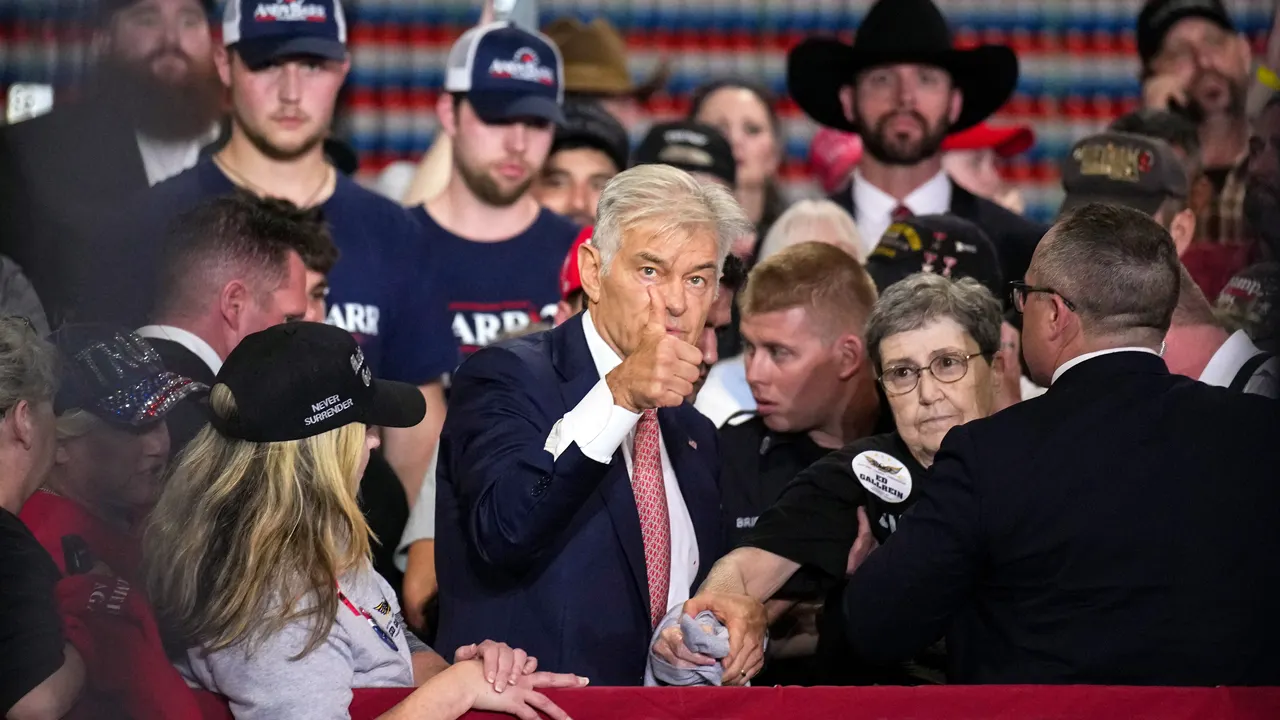
It was a crisp late-summer afternoon in Hebron, Kentucky, where the air hummed with anticipation and patriotism. President Donald Trump was mid-speech at Verst Logistics, a sprawling facility emblematic of American ingenuity and logistics prowess. The crowd, a sea of red hats and hopeful faces, hung on every word as Trump delivered his trademark blend of policy promises, jabs at opponents, and folksy anecdotes. About halfway through, however, the atmosphere shifted from electric to tense when an older woman, seated behind the president’s elevated platform, began to show signs of distress. She slumped slightly, her face paling, as murmurs rippled through the audience. It was a moment that could’ve thrown any event into disarray, but especially one for a former heart surgeon turned political figure like Dr. Mehmet Oz, who was in the house as the head of the Centers for Medicare and Medicaid Services. You can imagine the sudden hush—the kind that falls when something real and urgent interrupts the pageant of politics. Trump, ever the showman with a compassionate edge, paused and scanned the room. “Do we have a doctor in the house? Take your time, please,” he called out, his voice steady but laced with genuine concern. It was a human touch in a world of scripted events, reminding everyone that beneath the rallies and rhetoric, lives matter. As first responders sprang into action, threading through the crowd with practiced efficiency, the president turned to watch, his expression a mix of worry and respect. “First responders are incredible,” he remarked, acknowledging the unsung heroes who keep communities safe. Oz, sensing the need, swiftly moved to assist, his medical instincts overriding any official protocol. In that instant, the event transcended politics—it became a story of human connection, where a supporter’s well-being took center stage. People nearby shared whispers of encouragement, some holding hands or bows in prayer, turning what could have been chaos into a communal moment of care. Trump’s suggestion to play “Ave Maria” added a layer of whimsy and earnestness, though the song didn’t materialize. It humanized him further, showing a leader who wasn’t afraid to improvise with heart. The woman, escorted away with gentle care, left behind a story of resilience, proving that even in high-stakes environments, compassion prevails.
Dr. Oz’s Swift Response and Trump’s Gracious Pause
Dr. Mehmet Oz, known worldwide as the charismatic physician from daytime TV and now a key player in Trump’s administration, didn’t hesitate. Drawn from his days as a pioneering heart surgeon, Oz approached the woman with a calm demeanor, his presence reassuring amid the flurry of paramedics. He’d seen emergencies before—high-pressure surgeries where seconds count—but this was different, unfolding live on a national stage. Trump, ever attuned to the room, paused his remarks, relinquishing the spotlight to ensure help arrived unhindered. “Take your time,” he urged, his tone warm and supportive, as if addressing a cherished friend. The crowd held its breath, some clapping softly in encouragement, while others exchanged knowing looks about the unpredictability of such gatherings. Oz worked seamlessly with the medical team, his expertise complementing theirs, demonstrating the kind of hands-on leadership that Trump often champions. It was a poignant reminder that public figures are, at their core, people dealing with life’s interruptions. As the woman stabilized and was carefully escorted away, Trump noticed Oz among the helpers. “It’s Dr. Oz! Can you believe it? Dr. Oz!” he exclaimed, a grin breaking across his face. “He’s a good doctor. Thank you, Oz.” The crowd erupted in applause, turning the incident into a feel-good interlude. Trump’s gratitude wasn’t performative; it stemmed from a history of valuing dedication, much like the way he’d praised nurses during the pandemic. Oz, modest as ever, waved it off, but the moment underscored his dual role—as a healer in health policy and on the ground. Back to his remarks after seven minutes, Trump quipped about the timing, laughing as he segued into criticizing Governor Gavin Newsom. “We were talking about Gavin New-scum,” he said, “Doesn’t seem like a very good subject right now. It made that young lady not feel so good.” The pivoting humor lightened the mood, humanizing both leaders. Events like this bridge the gap between elite politics and everyday empathy, where a single act of assistance echoes louder than policy debates. Audiences love these stories because they reveal the softer sides of powerful people—Trump’s quick pivot, Oz’s professional poise—and remind us that leadership often starts with care for the individual.
A Pattern of Compassion: Dr. Oz’s Past Heroic Moments
This wasn’t Dr. Oz’s first rodeo with real-time medical emergencies in high-profile settings. Back in April, during his swearing-in ceremony in the Oval Office, a young girl—later revealed to be a family member—fainted near the Resolute Desk while Trump spoke. Oz, still in his formal attire, dashed over without a second thought, his doctor instincts kicking in like muscle memory from years in the operating room. The incident, though emotionally charged, highlighted Oz’s commitment to public service, blending his medical background with his new role in ensuring Americans get the care they deserve. He knelt beside her, checking vitals calmly, as aides stood by. It was a tender scene, capturing the vulnerability of even the mightiest spaces. Trump, ever the comforting presence, paused to let the moment breathe, proving he’s not just a political dynamo but someone who values familial moments. Then, in November, during a press conference, a man collapsed in the Oval Office itself. Chaos could have ensued in such an iconic room, symbol of power and history, but Oz stepped in again, coordinating with Secret Service and medics to stabilize him. These episodes paint Oz as more than a TV star or bureaucrat; he’s a healer at heart, driven by a Hippocratic oath that transcends titles. Each time, it wasn’t about glory—it was about duty, quick thinking in unexpected places. Fans of his show might recall clips where he’d share wellness tips, but seeing him in action here makes it real, relatable. It tells a broader story of how doctors like him are reshaping American healthcare amidst controversies about funding and access. For the public, these moments build trust; they’re proof that amidst debates on fraud or policy, there’s genuine care from figures like Oz. His warnings about Somali Medicaid fraud, as reported recently, show he’s tackling vulnerabilities head-on, threatening to withhold funds if issues persist. Combined with these hands-on rescues, it humanizes him—a man who’s walked the walk, helping the “most vulnerable Americans” as he puts it.
The Broader Implications for Leadership and Community
These incidents with Dr. Oz don’t just speak to individual heroism; they weave into a larger tapestry of what effective leadership looks like in modern America. Leaders like Trump and Oz aren’t immune to life’s curveballs—unexpected collapses, apologetic interruptions—but their responses reveal character. Trump’s call for a doctor and Oz’s immediate aid reflect a bipartisan value: prioritizing people over proceedings. In a polarized era, such moments remind us of shared humanity, where politics takes a backseat to empathy. Imagine a world where every emergency is handled with such finesse—crowds supporting, leaders adapting. It inspires communities to prepare for the unexpected, from having a first-aid kit at rallies to encouraging bystander CPR training, much like Oz advocates for healthier lifestyles. His role in Medicare and Medicaid reform aims to bring change, helping those hit hardest by rising costs or inequities, drawing from his surgical expertise. Yet, it’s the lived experiences that resonate most. RFK Jr.’s anecdotes about Trump’s high testosterone add a personal layer, portraying him as vital and enduring, traits admired by supporters. Oz, too, embodies resilience, transitioning from celebrity surgeon to DC influencer. Public health depends on figures who lead by example, not just edicts. As someone who once warned vice-presidential candidates like Tim Walz about accountability, Oz’s actions speak louder, showing integrity in action. This human side bridges divides, turning critics into curious onlookers. Events like the Kentucky rally amplify how small acts—pausing a speech for a stranger—redistribute power to the crowd, making democracy feel participatory. In an age of fake news and division, authentic gestures like these build bridges, encouraging dialogue over discord. It’s the kind of storytelling that Fox News excels at, blending hard news with heartwarming narratives to keep audiences engaged and informed.
Reflections on Resilience and Public Service
Looking back, Dr. Oz’s repeated interventions during Trump’s events and official functions illustrate a profound resilience—one that mirrors America’s underdog spirit. From fainting family members in the Oval Office to ailing supporters at rallies, Oz doesn’t shy away from the fray. It’s a trait honed from decades in medicine, where unpredictability is the norm. Trump’s commendations highlight mutual respect, a hallmark of their partnership. Yet, these moments also prompt reflection: How can we, as everyday people, emulate such quick kindness? Oz’s background in heart surgery emphasizes prevention and care, aligning with his warnings on issues like Medicaid fraud. By holding accountable those who might misuse funds, he’s safeguarding systems for real people—elderly women collapsing, young girls needing support. His shift to DC politics shows evolution, from TV ratings to policy impacts, all while staying true to healing. The Kentucky incident, with its spontaneous “Ave Maria” request, adds whimsy, humanizing Trump as someone who appreciates art amid crisis. In a fast-paced world, these pauses are rare but vital, fostering connections that outlast any speech. Oz’s involvement reminds us that heroes aren’t just on screens; they’re in rooms loving and hurting alongside us. As the woman recovered and the event continued, it left attendees with renewed faith in communal strength—a powerful antidote to division.
A Heartfelt Conclusion on Care in Chaos
In the grand scheme, Dr. Mehmet Oz’s actions during the Kentucky incident—and others like it—serve as beacons of hope in an often tumultuous political landscape. They transform potential tragedies into tales of triumph, where compassion overrides conflict. Trump’s lighthearted quips and Oz’s steadfast aid weave a narrative of shared responsibility, urging us all to prioritize empathy. Whether at a rally or in the Oval Office, these events show that public figures are mirrors to our own potential: quick to help, slow to judge. As Fox News invites listeners into these stories, it underscores the importance of staying informed and attuned to the human elements. Download the app to dive deeper, but remember, the real takeaway is simple—lead with heart, help with haste. Oz’s legacy as a doctor in DC transcends politics; it’s a call to courage, one emergency at a time. In a nation fighting for its soul, moments like these remind us that unity starts with caring for one another, proving that even amidst the noise, humanity’s quiet strength endures. It’s stories like this that keep us coming back, hopeful and connected.