






Controversy Surrounds Acting CISA Director Amid Polygraph Dispute and Staff Suspensions
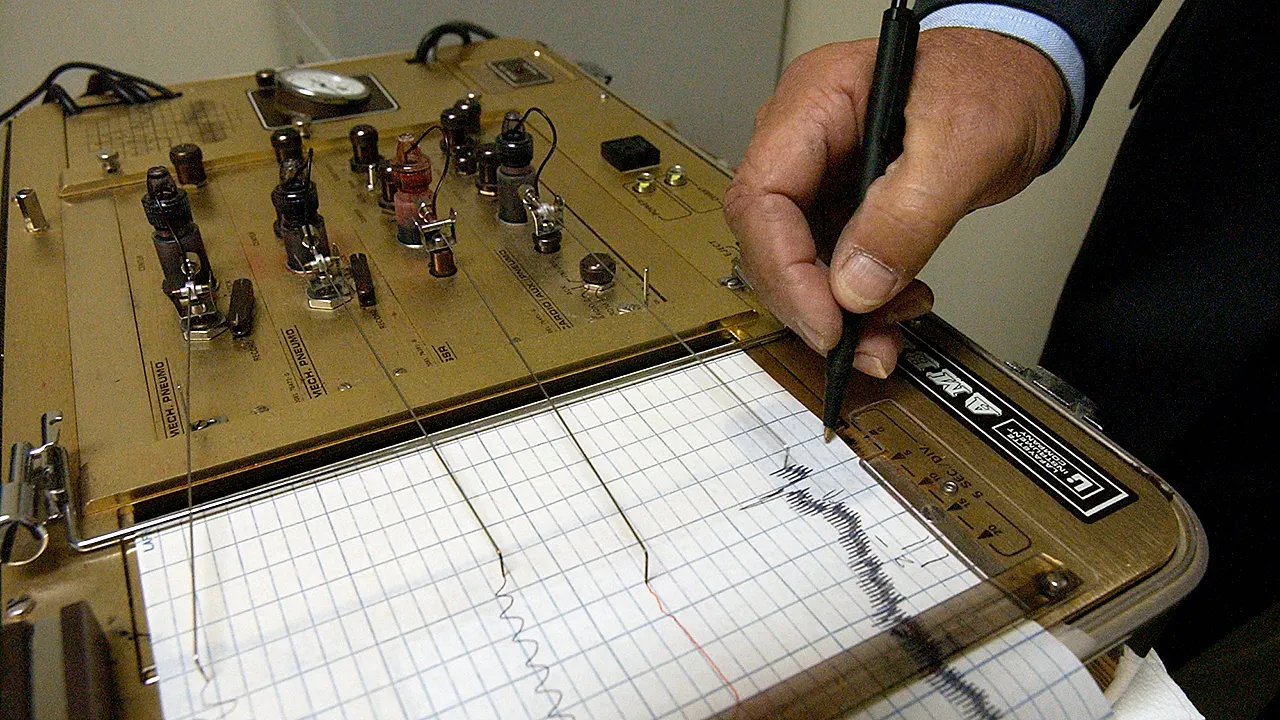
The Department of Homeland Security (DHS) finds itself embroiled in controversy following reports about Acting Cybersecurity and Infrastructure Security Agency (CISA) Director Madhu Gottumukkala and his alleged failed polygraph test. According to a Politico investigation, Gottumukkala supposedly pushed for access to highly sensitive intelligence that required a counter-intelligence polygraph, which he reportedly failed. In the aftermath, at least six career cybersecurity officials were placed on paid administrative leave for allegedly misleading leadership about the polygraph requirement. This situation has created significant turmoil within the agency, highlighting tensions between leadership and career staff during a time when cybersecurity concerns remain paramount for national security.
DHS has forcefully pushed back against these allegations, claiming the polygraph in question was not properly authorized. “Acting Director Madhu Gottumukkala did not fail a sanctioned polygraph test. An unsanctioned polygraph test was coordinated by staff, misleading incoming CISA leadership,” stated DHS Assistant Secretary Tricia McLaughlin in a response to the controversy. The department insists that the employees were placed on administrative leave pending an investigation in accordance with department policy, and that Gottumukkala maintains “the complete and full support of the Secretary.” This stark contradiction between Politico’s reporting—based on interviews with twelve current and former cybersecurity officials who requested anonymity—and the official DHS position highlights the complexity of the situation and raises questions about transparency within the agency.
The dispute centers on access to a controlled intelligence program with strict distribution limits. According to Politico’s sources, Gottumukkala persistently sought access to this highly classified material despite senior staff raising questions about whether he actually needed it. The report indicates that an initial access request in early June was denied by a senior agency official who determined there was no urgent need-to-know and noted that the agency’s previous deputy director had not required access to the program. However, after that official was placed on administrative leave for unrelated reasons in late June, a second request signed by Gottumukkala himself was approved in early July. This sequence of events raises questions about the approval process for sensitive intelligence access and whether proper protocols were followed.
Following the polygraph incident in late July, the DHS took swift action against career staff involved. On August 1, at least six career employees received letters from then-acting DHS Chief Security Officer Michael Boyajian stating their access to classified national security information was being temporarily suspended for potentially misleading Gottumukkala about the polygraph requirement. The letter cited “deliberate or negligent failure to follow policies that protect government information,” raising concerns about the employees’ trustworthiness and reliability. Days later, on August 4, the suspended employees received additional notification from Acting CISA Chief Human Capital Officer Kevin Diana that they had been placed on paid administrative leave pending an investigation. This rapid disciplinary response has fueled speculation about internal power dynamics and whether career staff are being unfairly targeted.
The controversy comes at a sensitive time for CISA, an agency charged with protecting America’s cybersecurity infrastructure. Gottumukkala, who was appointed CISA deputy director in May, brings over two decades of experience in information technology and cybersecurity across both public and private sectors. Before joining CISA, he served as commissioner and chief information officer for South Dakota’s Bureau of Information and Technology, where he oversaw statewide technology and cybersecurity initiatives. His background suggests he possesses the qualifications for the role, but this incident raises questions about leadership style and transparency. In an era of heightened cybersecurity threats, stability and trust within CISA are essential for the agency to fulfill its critical mission of protecting the nation’s infrastructure.
This controversy reflects broader tensions within DHS and its component agencies during a time of shifting political landscapes and national security priorities. The disciplinary actions against career staff have sparked concerns about whether proper procedures were followed and if the suspensions were justified. Sources interviewed by Politico noted that polygraph failures can occur for innocuous reasons such as anxiety or technical errors, and that results are generally not admissible in U.S. courts. This context adds another layer of complexity to the situation, suggesting that even if Gottumukkala did fail the polygraph as reported, the implications may not be as straightforward as they appear. As the investigation continues, questions remain about the long-term impact on CISA’s operations and whether this incident will affect the agency’s ability to fulfill its critical cybersecurity mission.