




Controversy Erupts Over Immigration Raid in Tucson
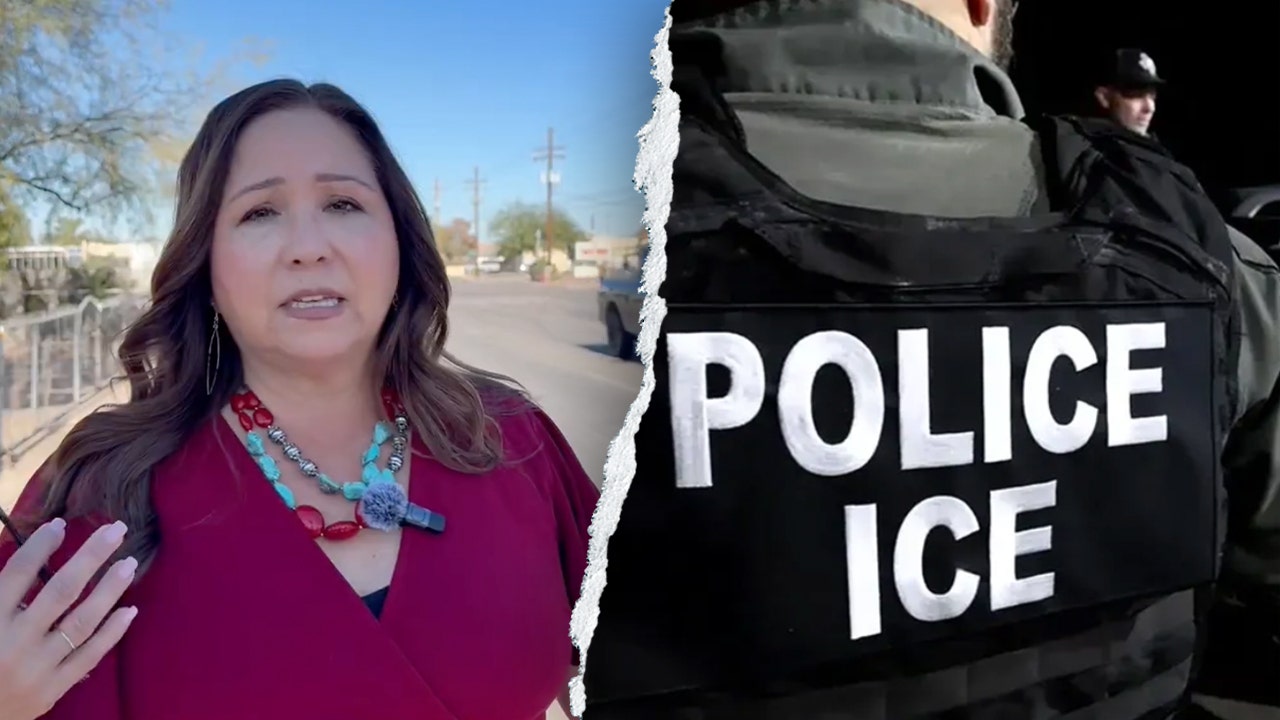
A heated dispute unfolded in Tucson, Arizona, when Democratic Representative Adelita Grijalva claimed she was pepper-sprayed during an Immigration and Customs Enforcement (ICE) operation. According to Grijalva’s post on social media platform X, she approached ICE officers during a raid at Taco Giro, a family-owned restaurant that she described as a long-standing community establishment. In her account, Grijalva stated that despite identifying herself as a member of Congress seeking information, officers pushed her aside and pepper-sprayed her. The congresswoman went further in her criticism, characterizing ICE as a “lawless agency” operating without transparency or accountability, and showing “open disregard for basic due process.” Her allegations quickly gained traction among her colleagues, particularly within the Congressional Progressive Caucus, which includes nearly 100 Democratic lawmakers who subsequently called for a congressional investigation into the incident.
The Department of Homeland Security (DHS) promptly challenged Grijalva’s version of events, offering a markedly different account of what transpired. Tricia McLaughlin, DHS Assistant Secretary, directly contradicted the congresswoman’s claims, asserting that Grijalva was never directly pepper-sprayed but was merely in the “vicinity of someone who was.” McLaughlin characterized Grijalva’s allegations as not only untrue but medically implausible, stating, “If her claims were true, this would be a medical marvel.” The DHS spokesperson went on to provide additional context about the operation, claiming that two law enforcement officers were “seriously injured” during the incident by what she described as a “mob” that Grijalva had joined. McLaughlin also emphasized that congressional status does not grant immunity from laws against obstructing law enforcement operations, suggesting that Grijalva’s presence and actions at the scene may have complicated the ICE operation.
The conflicting narratives highlight the ongoing tensions surrounding immigration enforcement in the United States, particularly in border states like Arizona. Grijalva’s characterization of the restaurant as a “small mom-and-pop” establishment that “has served our community for years” frames the ICE operation as an attack on valued local businesses and, by extension, the community itself. This perspective resonated with some of her congressional colleagues, including Representative Ilhan Omar of Minnesota, who serves as a deputy chair of the Congressional Progressive Caucus. Omar described the incident as a “disgusting display of violence” against a fellow member of Congress and warned that it represents “a dangerous moment for American democracy.” This framing situates the incident within broader debates about the proper limits of immigration enforcement and the treatment of elected officials engaging in oversight.
The incident in Tucson occurred against the backdrop of intensified immigration enforcement operations nationwide. Just a day before the confrontation, DHS had announced the results of Operation Metro Surge in Minneapolis, which reportedly led to the detention of at least a dozen undocumented immigrants with criminal records. DHS characterized these individuals as “child sex offenders, domestic abusers, and violent gang members,” emphasizing the public safety dimension of their enforcement activities. McLaughlin reinforced this message following the operation, declaring that “No matter when and where, ICE will find, arrest, and deport ALL criminal illegal aliens.” This statement underscores the agency’s commitment to aggressive enforcement policies, particularly targeting those with criminal backgrounds, which the Biden administration has identified as priorities for immigration enforcement.
The dispute between Grijalva and DHS reflects deeper divisions in American politics regarding immigration policy and enforcement practices. Progressive Democrats have frequently criticized ICE operations as excessive and harmful to immigrant communities, arguing that they create fear and disrupt community cohesion. These critics often call for significant reforms to immigration enforcement, including more stringent limitations on detention and deportation powers. Conversely, DHS officials and supporters of stricter immigration enforcement maintain that operations like the one in Tucson are necessary for public safety and border security. They argue that targeting individuals with criminal backgrounds protects American communities while enforcing existing immigration laws. The sharp disagreement over the Tucson incident exemplifies how immigration enforcement remains a deeply polarizing issue, with fundamentally different perspectives on the appropriate balance between enforcement and humanitarian concerns.
As this controversy continues to unfold, it raises important questions about congressional oversight of law enforcement agencies, the treatment of elected officials during enforcement operations, and the transparency of immigration raids. The Congressional Progressive Caucus’s call for an investigation suggests that this incident may have broader political implications for immigration policy debates and oversight of DHS operations. At the same time, DHS’s firm pushback indicates the agency will defend its officers and operations against what it perceives as mischaracterizations. Both Grijalva’s office and DHS declined to provide additional comments when contacted by journalists, suggesting that both sides may be preparing for a more formal examination of the incident. As immigration continues to be a central issue in American politics, confrontations like the one in Tucson illuminate the profound disagreements that exist not only about specific enforcement actions but about the fundamental values and priorities that should guide immigration policy in the United States.