



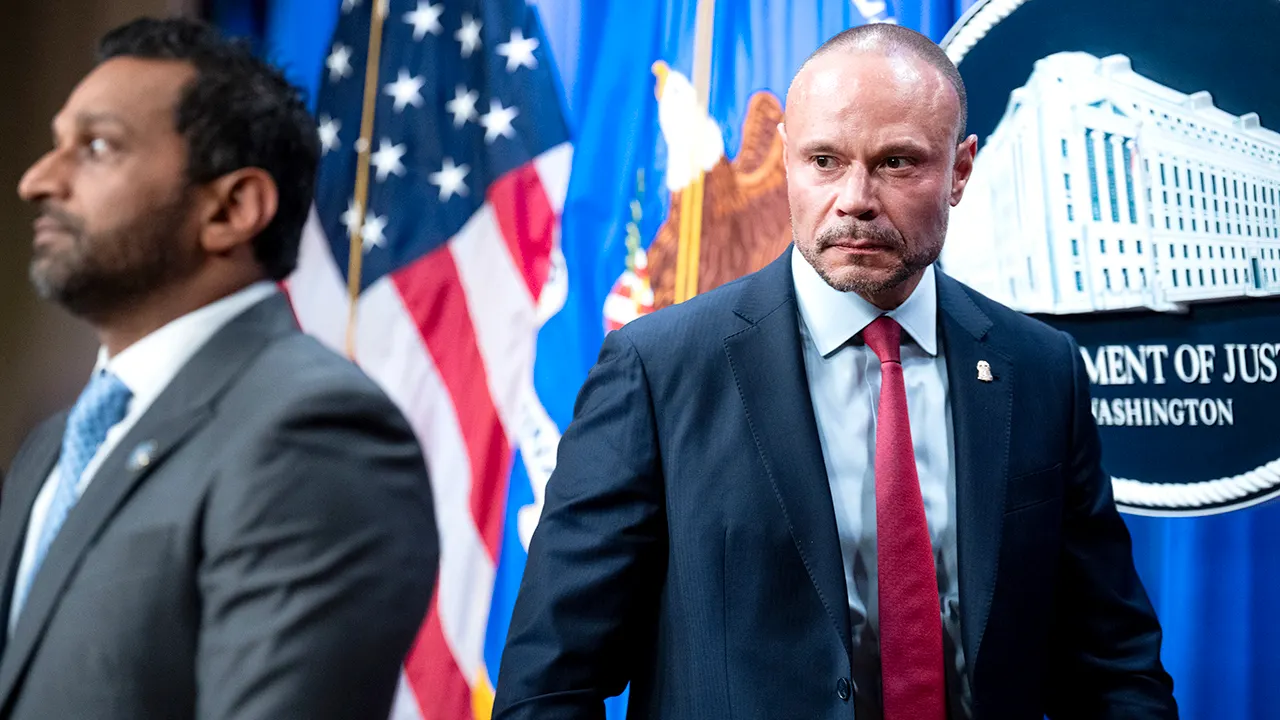
Dan Bongino Contemplates Future at FBI Amid Internal Criticisms
Dan Bongino, the Deputy FBI Director, is expected to make a decision about his continued tenure at the bureau within the coming weeks, according to sources familiar with his thinking. Despite recent media claims that Bongino’s office sits empty, these sources clarified to Fox News that while such reports are inaccurate, his departure remains a genuine possibility in the near future. The uncertainty around Bongino’s position comes during a period of significant scrutiny for the FBI’s current leadership, with both Bongino and Director Kash Patel facing substantial criticism from within the organization’s ranks.
The tensions within the FBI became public earlier this month when an alliance of active-duty and retired FBI personnel released a scathing report about the bureau’s current direction under its new leadership. The 115-page internal assessment, written in the style of an FBI intelligence product, drew from accounts of 24 FBI sources who shared their experiences inside the bureau. According to New York Post columnist and Fox News contributor Miranda Devine, who reported on the document, the alliance described Director Patel as “in over his head” and Deputy Director Bongino as “something of a clown.” One source cited in the report characterized Patel as lacking “the breadth of experience” and “the bearing an FBI director needs to be successful.”
Both Bongino and Patel have vigorously defended their leadership against these criticisms, portraying the negative feedback as resistance to necessary reforms from those loyal to previous administrations. “When the director and I moved forward with these reforms, we expected some noise from the small circle of disgruntled former agents still loyal to the old Comey–Wray model,” Bongino explained to Fox News. He emphasized that their focus remains on accountability to the American people rather than appeasing internal critics. Bongino asserted that under their leadership, the bureau has achieved impressive results, including “tighter accountability, tougher performance standards, billions saved and a mission-first culture” – all aimed at restoring public trust in the institution.
Despite the internal controversy, Bongino has pointed to concrete accomplishments during his tenure. Earlier in his role as Deputy Director, Bongino announced that the FBI had apprehended 449 child predators and rescued 224 children in just the first three months of his leadership – significant outcomes that he likely sees as validation of the bureau’s operational effectiveness under the current administration. For his part, Director Patel maintains that the FBI is “operating exactly as the country expects,” suggesting that the leadership team believes they are fulfilling their mandate despite the internal dissension.
The situation appears to reflect deeper tensions within the FBI about its institutional direction and leadership culture. The alliance’s report suggests significant discomfort among career FBI personnel with the management approach of Bongino and Patel, while the leadership team characterizes such criticism as resistance to necessary change from those invested in previous administrations’ ways of operating. This clash of perspectives points to fundamental questions about the bureau’s identity and mission priorities during a time when public trust in federal law enforcement institutions remains fragile.
As Bongino contemplates his future at the FBI, the outcome will likely have significant implications for the bureau’s internal culture and public perception. If he chooses to depart, it could be interpreted either as confirmation of the leadership struggles described in the internal report or as an opportunity for the bureau to reset its approach. If he stays, it would signal a determination to continue the reforms he and Patel have initiated despite internal resistance. Either way, the current tensions highlight the challenges of institutional transformation within one of America’s most prominent law enforcement agencies, where changes in leadership philosophy inevitably create friction with established organizational cultures and practices.