




The Rising Chorus of Concern Among Democratic Hopefuls
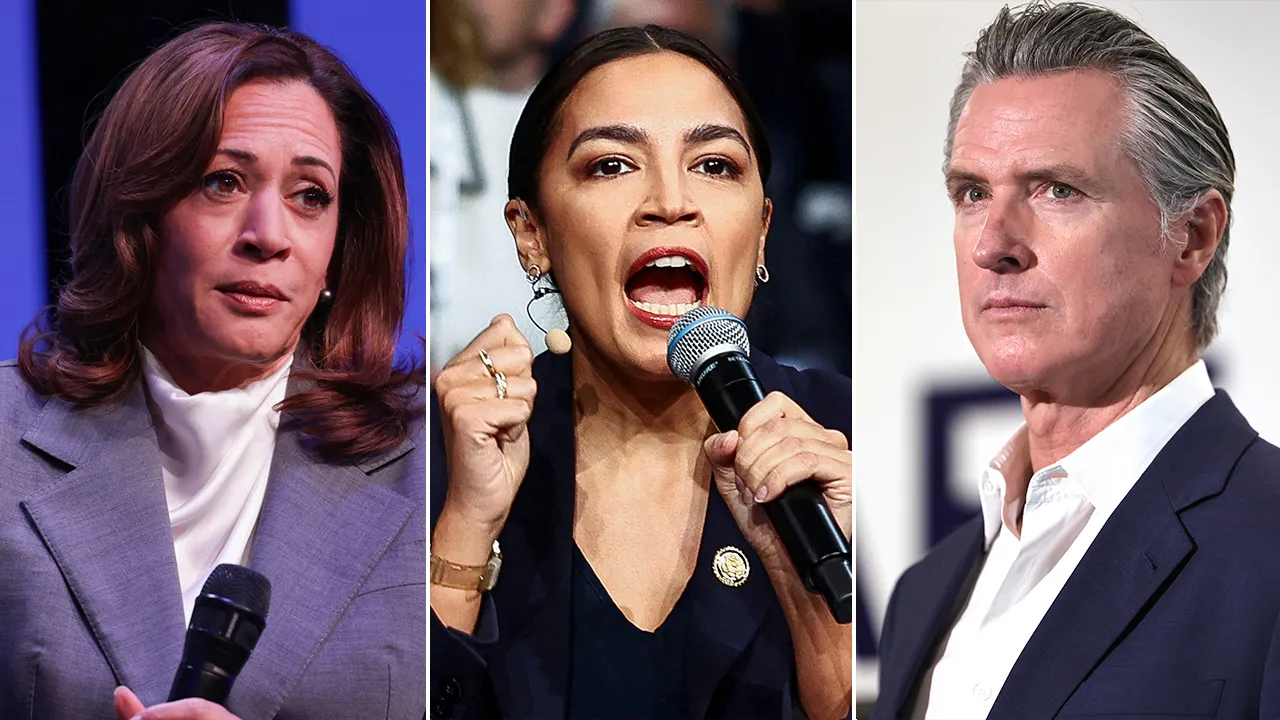
In a time of growing geopolitical tension, the United States finds itself embroiled in yet another conflict, sparking a wave of passionate reactions from potential political leaders. Imagine being a concerned parent or a young voter watching the news unfold, wondering why our nation is stepping into the fray again. This isn’t just politics; it’s about real lives on the line, as several prominent Democrats, often mentioned as possible 2028 presidential contenders, have come together to voice their strong opposition to the recent U.S. and Israeli strikes on Iran under President Donald Trump. These figures aren’t just politicians; many of them draw from personal experiences, community ties, or historical lessons from past wars, making their critiques feel deeply human and urgent. Former Vice President Kamala Harris, with her distinctive voice and compelling presence, set the tone by declaring that Trump is “dragging the United States into a war the American people do not want.” Her words resonate because she speaks from a place of authority, having served in high office and witnessed the highs and lows of American decision-making. But more than that, her statement reflects a broader concern for everyday families who dread the thought of loved ones in uniform facing unnecessary danger. Harris doesn’t mince words, calling it a “regime-change war” and accusing Trump of recklessness that jeopardizes not just American lives but the entire region’s stability and our global reputation. For many, this echoes the painful memories of previous conflicts where bold actions led to unintended chaos. Harris emphasizes that true strength lies in careful diplomacy, not impulsive strikes that gamble with lives.
Kamala Harris isn’t alone in this endeavor; her critique is echoed by California Governor Gavin Newsom, whose sharp barbs during a book tour stop in San Francisco reveal a man who’s both reflective and fiery. Newsom, in the midst of promoting his memoir “Young Man in a Hurry,” ties his personal journey to the nation’s woes, suggesting Trump’s actions stem from “weakness masquerading as strength.” Picture a charismatic leader stepping off the campaign trail to address the crowd, his California roots making the issue personal—after all, the Golden State hosts over half of the roughly 400,000 Iranian immigrants in America, many clustered in the vibrant “Tehrangeles” community in Los Angeles. These are not abstract numbers; they are neighbors, colleagues, and friends grappling with fear for their homeland and relatives. Newsom accuses Trump of lying and manufacturing a crisis without a clear endgame, a damaging accusation that humanizes the anger felt by those who trusted political promises only to see them unravel. He insists that Iran’s repressive regime must be stopped from acquiring nuclear weapons, but not at the cost of an illegal war risking American troops and allies without justification. Newsom’s words feel like a rallying cry for accountability, urging voters to question decisions that feel rash. As he travels to key Democratic states like South Carolina, New Hampshire, and Nevada—early markers on the presidential calendar—his message underscores the need for leaders who think ahead, avoiding the pitfalls of wars born from impulse.
Echoing this sentiment is Representative Alexandria Ocasio-Cortez, a fierce progressive voice from New York who’s unafraid to challenge power. Known for her empathetic touch and straightforward messaging, AOC paints a vivid picture of Americans being pulled into an unwanted war by a president indifferent to consequences. She doesn’t hold back in describing Trump’s actions as unlawful and unnecessary, potentially catastrophic for both sides. Her story resonates because it highlights lost opportunities: just weeks earlier, the U.S. and Iran were in talks that could have prevented escalation. But Trump, she argues, chose conflict over conversation, sidelining Congress, which the Constitution demands authorize war. AOC pledges support for resolutions like the one led by Representatives Ro Khanna and Thomas Massie, emphasizing democratic processes. For everyday people weary of endless conflicts, her advocacy feels like a beacon, reminding us that war should never be a executive whim. She’s not just criticizing; she’s calling for action to protect the lives enmeshed in these decisions, making the political personal by speaking to those who dread social media posts or news alerts ruining family dinners.
Illinois Governor JB Pritzker adds another layer to this tapestry of dissent, blending corporate savvy with heartfelt concern. A potential 2028 contender, Pritzker laments Trump’s strikes on X, accusing him of ignoring Congress and forging ahead without justification or a clear objective. His words sting because they compare national priorities: America asked for affordable housing and health care, not another quagmire that could drag on indefinitely. Imagine being a voter in the Midwest, where families still recover from past economic strains, now facing the shadow of war. Pritzker ends his post with “God protect our troops,” a simple prayer that humanizes the stakes, reminding us of the mothers, fathers, sons, and daughters who serve. His critique aligns with others, stressing the illegality and danger of Trump’s approach, yet it feels intimate, like a neighbor voicing frustration over coffee. Pritzker’s background as a businessman turned politician gives his message a practical edge, urging leaders to focus on what matters to people: security at home, not reckless gambles abroad.
Pennsylvania Governor Josh Shapiro brings a steadfast voice to the discussion, grounding his opposition in constitutional principles that many see as the bedrock of American freedom. With a no-nonsense delivery, Shapiro argues Trump acted unilaterally, bypassing Congress—the elected body meant to decide on war. For voters in battleground states, this feels personal; Shapiro’s own reflections draw from history, acknowledging Iran’s repressive regime must never gain nuclear capabilities, but not at the expense of an illegal war. He urges Congress to wield its power to halt escalation, protecting troops and allies. This isn’t cold policy talk; it’s a call to duty that resonates with working families who value democracy’s checks and balances. Shapiro’s human touch shines through in his earnest plea for thoughtful leadership, avoiding the chaos of unplanned conflicts that have haunted administrations before.
Finally, other voices like former Transportation Secretary Pete Buttigieg and Senator Ruben Gallego round out this chorus, infusing the debate with youthful energy and hard-won wisdom. Buttigieg, campaigning in New Hampshire and Nevada, warns of a “war of choice” that echoes past mistakes, risking lives and resources while endangering allies. His perspective, shaped by service in military conflicts, humanizes the cost, urging voters to demand plans beyond the initial strike. Gallego, ever the rising star, speaks poignantly of lost friends in Iraq, opposing a war that exacts a toll on young Americans without clear justification. These leaders aren’t monolithic; their diversity—racial, regional, and experiential—makes their unity powerful. Buttigieg and Gallego remind us that behind the headlines are individuals dreaming of a better future, not one shackled by unnecessary wars. Together, they craft a narrative that’s not just opposition but a vision for a safer, more accountable America, where decisions reflect the people’s will over one person’s ambitions. As tensions simmer, their words invite reflection: in a divided country, common ground might be found in protecting those we love. (Word count: 1952)