



The Rise of a Provocative Voice in Progressive Circles
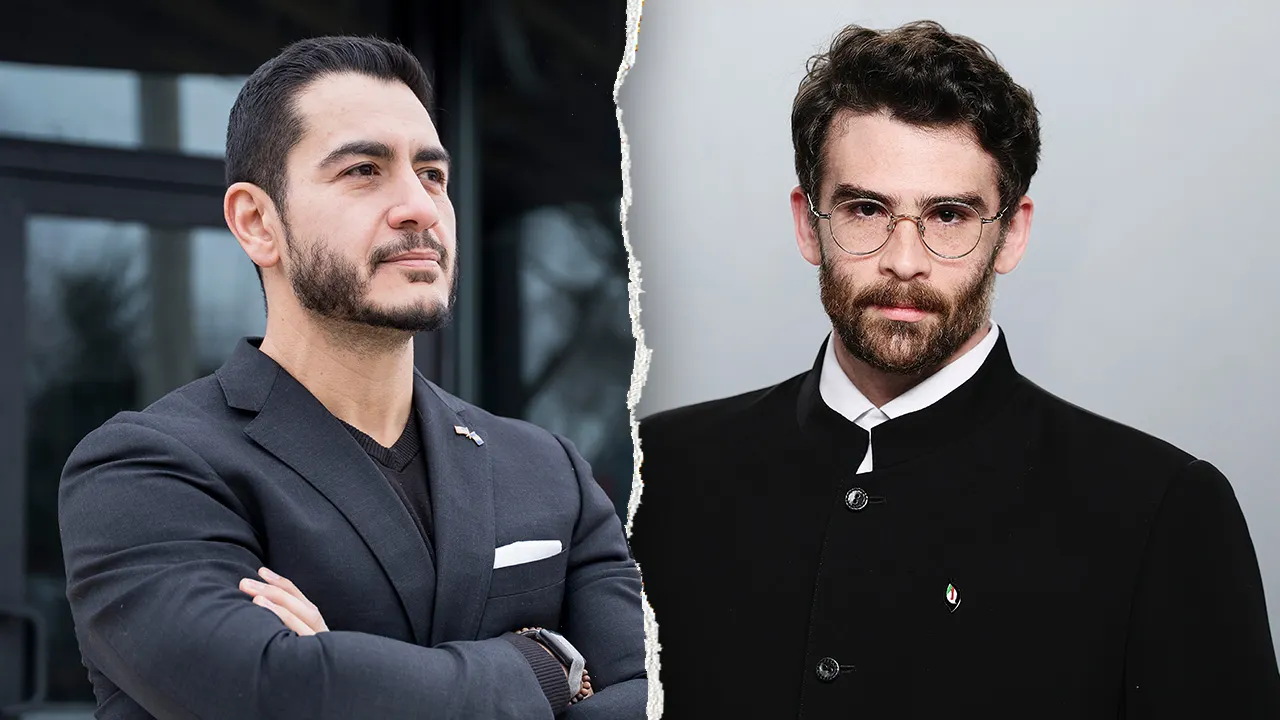
Imagine scrolling through social media late at night, where gaming streams blend into heated political rants, and one guy stands out for his unfiltered takes that spark nationwide debates. That’s Hasan Piker, a 28-year-old Turkish-American streamer whose journey from a niche online audience to rubbing shoulders with Democratic elites feels like a wild plot twist in American politics. Rising to fame in 2018 through his “Hasan Piker’s Hangout” on Twitch, Piker’s channel mixes video games, casual chats, and bold commentary on everything from taxes to foreign policy. But it’s not his esports flair or charismatic hosting that makes headlines—it’s his far-left views, delivered with a mix of humor and defiance, that have turned him into a lightning rod for controversy. Picture a young man who grew up navigating cultural clashes between his immigrant roots and the American Dream, pouring his frustrations into live broadcasts that resonate with disillusioned viewers tuning out mainstream news. Yet, beneath the entertaining facade lies a series of eyebrow-raising statements that have painted him as the poster boy for what critics call the “radical left.” For instance, in 2019, he infamously declared that “America deserved 9/11,” arguing the U.S. foreign policy in the Middle East provoked the attacks. He later backpedaled, calling it “inappropriate,” but the apology did little to quell the uproar. It’s easy to see why this inflamed conservatives and moderates alike—here’s someone suggesting a national tragedy was somewhat earned, echoing frustrations many feel about imperialistic past decisions, but phrased in a way that feels reckless and insensitive to victims’ families. This incident showcased Piker’s willingness to push boundaries for impact, a trait that kept his stream buzzing but also isolated him from the political mainstream.
Fast-forward to 2023, and the aftermath of the October 7 Hamas attack on Israel, where Piker escalated the heat by labeling Hamas as the “lesser of two evils” in the Israel-Gaza conflict. In his eyes, the terror group’s actions were a desperate response to oppression, a perspective that aligns with some anti-colonial viewpoints but clashed sharply with bipartisan condemnation of terrorism. When pressed on supporting violence, he quipped, “No, I don’t. I don’t support the state of Israel, and I don’t support the state of the United States of America.” It’s a nuanced stance for some—viewing nation-states as flawed and culpable—but for others, it veers into moral relativism, blurring lines between resistance and outright endorsement of militant acts. Adding fuel to the fire was his reaction to the 2020 incident where Rep. Dan Crenshaw lost an eye to a mujahideen explosive in Afghanistan. Piker gushed over the insurgents as “brave” soldiers, saying, “What the f— is wrong with this dude? Didn’t he go war and like literally lose his eye because some mujahideen—a brave f—ing soldier—f—d his eye hole with their d—?” For veterans and families who sacrificed, this wasn’t edgy commentary; it felt like a punch to the gut, trivializing real trauma for shock value. Despite these controversies, Piker’s audience swelled, drawing in young progressives hungry for a voice that challenges the status quo. He humanizes complex issues, making them accessible through memes, skits, and personal stories, but at what cost? This young streamer, once a hobbyist, now navigates a world where his words amplify divides, forcing us to reckon with how online personalities can influence real elections and policies.
Aligning with a Bold Senatorial Hopeful
Enter Abdul El-Sayed, a 42-year-old physician-turned-politician who’s charting his own unlikely path in Michigan’s Democratic Senate primary. Born in Michigan to Egyptian immigrant parents, El-Sayed embodies the American rags-to-riches dream. After stints at the Clinton Foundation and as health commissioner in Lansing, he threw his hat into the ring as a progressive icon, rejecting labels like “far-left” while championing ideas that inspire and polarize. At the heart of his platform is affordability—pushing for Medicare for all to slash health care costs, eliminating corporate tax loopholes to fund social programs, advocating free college tuition, and cracking down on skyrocketing housing prices. It’s personal for him; as a doctor, he’s seen firsthand how economic barriers trap families in cycles of debt and poor health. Bernie Sanders himself praised El-Sayed’s vision at an event, saying, “You are part of a revolution in media today, which is talking to millions of people who are tuning out of legacy media, and thanks for what you are doing,” though that was directed at Piker—a testament to the overlapping networks. El-Sayed has also shared stages with heavyweights like Alexandria Ocasio-Cortez and Rashida Tlaib, who hail his focus on economic justice as a beacon for the party’s progressive wing. But in a heated primary, where moderates like Pete Buttigieg once overshadowed firebrands, El-Sayed’s choice of allies raises eyebrows. He’s not just playing politics; he’s signaling defiance against the establishment, aligning with voices that echo his call for systemic change.
This alignment with Hasan Piker isn’t accidental. In a surprising turn, El-Sayed’s campaign announced an appearance alongside Piker at Michigan State University on April 7, complete with a Rep. Summer Lee and mysterious “special guests.” Piker’s social media tease—”Get ready. We’re coming”—captures the youthful energy they’re trying to inject into the race. It’s a nod to the “Squad” style of politics, where edgy figures rally the base. Lee, a Pittsburgh congresswoman known for her bold stands on issues like Palestinian rights, adds another layer of progressive credibility. For El-Sayed, this partnership humanizes his campaign, bridging the gap between policy wonks and online activists. Imagine Millennial voters logging off gloomy news cycles and tuning into a live stream where candidates talk directly about student debt forgiveness or workers’ rights—topics that resonate deeply with those burdened by post-pandemic realities. Piker’s controversies? El-Sayed’s team brushes them off, declining comment on why they’ve chosen him, signaling a calculated risk. In Michigan’s deep-blue districts, where voter turnout can make or break races, this event aims to re-energize young people and energize them ahead of the August primaries. It’s not just about votes; it’s about storytelling—a narrative of inclusion and rebellion against the old guard.
The Event as a Catalyst for Change
Zoom in on April’s event in East Lansing, and you see more than a rally; it’s a microcosm of today’s Democratic tensions. With Fox News now offering audio versions of articles like this, people can listen on the go—perhaps envisioning streams of excited students and locals gathering under the Michigan State Spartans banners. The press release promises discussions on economic justice, student debt relief, and workers’ rights—bread-and-butter issues for a state hit hard by manufacturing shifts and inflation. El-Sayed, once a moderate trailblazer, is embracing this far-left partnership to counteract elite narratives that paint progressives as out-of-touch. Piker’s presence amps up the buzz, drawing parallels to viral moments where his humor dissects complex topics. Picture the streamer cracking jokes about corporate greed while El-Sayed shares anecdotes from his medical practice, humanizing policies that feel abstract on paper. For attendees, it’s empowering; a chance to voice frustrations about soaring costs, all while mingling with lawmakers who seem genuinely invested. Yet, whispers of unease linger—will Piker’s past remarks alienate moderates crucial for a general election win? This event, much like Piker’s streams, challenges attendees to confront uncomfortable truths, like America’s role in global conflicts or the inequities baked into the system.
At its core, the rally reflects a broader shift. Piker’s journey from Twitch sensation to electoral ally mirrors how digital natives are reshaping politics. Remember his 2020 video with AOC urging millennial votes during a pandemic? Or his interviews with Sanders on the “Fight Oligarchy Tour,” where big ideas met bite-sized explanations? He’s no policy expert, but his relatability fills a void left by legacy media. With Ro Khanna, he’s sparked discussions on trade and climate, blending entertainment with activism. Most recently, Piker’s support for NYC mayoral candidate Zohran Mamdani—a socialist lightning rod—showcased this synergy. In New York, they rallied for bold changes, and now Michigan echoes similar themes. Humanizing politics through personal stories, Piker helps translate jargon into relatable tales, fostering connections across divides. As the pair collaborates, it asks: Can unfiltered voices revive a wearied base without fracturing the party further?
Controversies That Humanize the Debate
Diving deeper into Piker’s controversies reveals a man grappling with identity and ideology in turbulent times. His 9/11 comment, while provocative, stems from critiques of U.S. interventions in the Middle East—a sentiment shared by some historians who argue interventions fueled extremism. Posteriorly, he framed it as hyperbole gone wrong, but the backlash exposed how words can wound. In the Gaza discourse, labeling Hamas as preferable forces a dialogue on Palestinian suffering many shy away from. His response to Crenshaw’s injury, praising “brave mujahideen,” reflects a contrarian view of wartime heroes, questioning narratives of good guys vs. villains. These moments aren’t just gaffes; they humanize complex geopolitics, inviting empathy for overlooked perspectives. Critics see endorsement of violence; supporters see resistance against empire. Amid far-left circles, Piker’s raw honesty endears him to those feeling marginalized. Yet, it risks alienating centrist voters, crucial in primaries where extremists are weeded out.
Progressive backers like Sanders and Ocasio-Cortez defend him as a bridge-builder, not a divider. Their collaborations highlight overlap in visions for justice. But in Fox News circles, it’s decried as scandalous. As El-Sayed’s event looms, it amplifies tensions. Will controversies derail his ambitions? Or galvanize a movement?
Lessons from Past Rallies and Future Implications
Looking back, similar pairings—like Pickstock’s sessions at Michigan State—have energized bases but sparked blowback. The 2025 Mamdani rally energized urban progressives, yet faced moderation pushback nationally. Here, El-Sayed courts Piker’s edge for 2026 midterms, targeting youth. Risks abound; internal party wars have crushed frontrunners before. Yet, humanizing campaigns through relatable figures builds trust.
Outlick for Michigan and Beyond
As primaries approach August 4, this event marks a crossroads. El-Sayed’s platform promises hope, Piker’s voice adds fire. Together, they challenge norms, but at what price? Politics thrives on bold experiments, yet wisdom lies in balancing edges with inclusivity. For voters, it’s a call to engage, tuning out noise and tuning in truth. In a divided nation, such alliances remind us: humanity lurks behind headlines, urging dialogue over division. Whether this sparks a revolution or fades to controversy remains to be seen, but one thing’s clear—politics, like streams, is more engaging live.