






DNC Launches Ad Campaign Against Republican Senators Over Healthcare Tax Credits
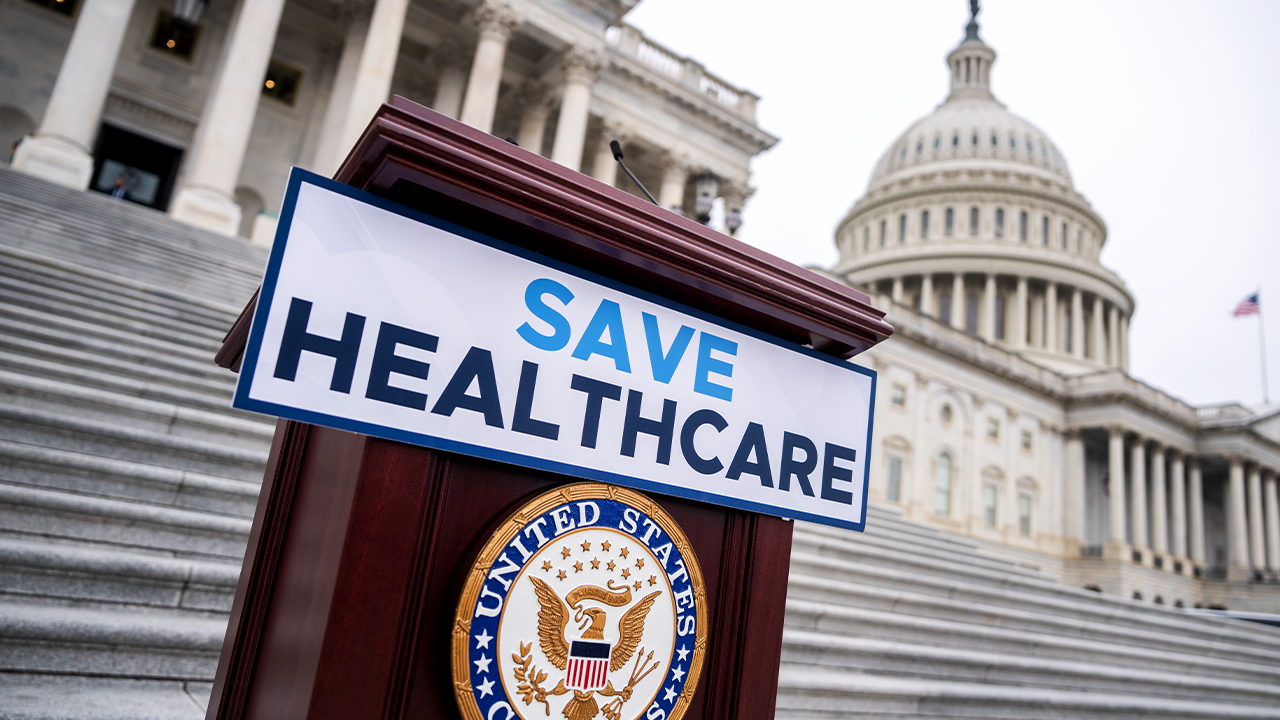
As the Senate prepares for crucial votes on healthcare tax credit proposals, the Democratic National Committee (DNC) has initiated a targeted ad campaign against four Republican senators facing reelection challenges. The campaign, revealed exclusively to Fox News Digital, focuses on Senators Susan Collins (Maine), John Cornyn (Texas), Jon Husted (Ohio), and Dan Sullivan (Alaska). The DNC accuses these senators of repeatedly voting against extending enhanced Affordable Care Act (ACA) premium tax credits, a situation that could potentially lead to substantial increases in healthcare premiums for millions of Americans. Through digital takeovers of hometown newspapers in these senators’ states and additional digital advertising, the DNC is highlighting this issue while also directing criticism at Senators Ted Cruz (Texas), Lisa Murkowski (Alaska), and Bernie Moreno (Ohio).
The stakes are high as over 20 million Americans currently depend on these tax credits to make their ACA (Obamacare) insurance affordable. DNC Chair Ken Martin emphasized the critical nature of the Senate vote, stating that extending the ACA tax credits “could be the difference between life and death for many Americans,” and warning that millions will face skyrocketing healthcare premiums if these Republican senators don’t support working families. Democrats have consistently used healthcare affordability as a central campaign issue, a strategy that contributed to their strong showing in recent elections. The DNC’s newspaper digital takeovers target publications including the Bangor Daily News, San Antonio Express News, Cleveland Plain-Dealer, and Anchorage Daily News, bringing this message directly to voters in these senators’ home states.
Neither the Democratic nor Republican proposals on Obamacare are expected to pass, highlighting the partisan divide on healthcare policy. Senate Democrats, led by Minority Leader Chuck Schumer, argue their extension of enhanced premium credit subsidies represents the best option to prevent dramatic increases in healthcare costs. Their plan would maintain the current subsidy structure that has made healthcare more accessible to millions. Meanwhile, Senate Republicans oppose extending the subsidies without significant reforms, claiming the current program inefficiently channels money to insurance companies rather than marketplace users and suffers from fraud and abuse issues that need addressing before any extension can be considered.
After considerable deliberation, Senate Republicans have proposed several alternatives. A plan from Senators Bill Cassidy and Mike Crapo would completely replace the enhanced credits with health savings accounts (HSAs), providing initial funds of $1,000 to $1,500 depending on the recipient’s age. This proposal aligns with Republican priorities for healthcare reform but represents a fundamental shift from the current subsidy model. Other Republican proposals offer more moderate approaches. Senator Collins, working with Senator Moreno, has developed a plan that would extend subsidies for two years while implementing income caps of $200,000 per household and eliminating zero-cost premiums as a fraud prevention measure. This approach has garnered some interest from Senate Democrats seeking a compromise solution.
Similarly, Senator Husted has proposed extending subsidies for two years with income caps and eliminating zero-cost premiums, but his plan includes stronger enforcement of the Hyde Amendment, which prevents taxpayer funding for abortions. This addition makes his proposal unacceptable to Senate Democrats, further complicating the path to agreement. The competing proposals highlight the fundamental philosophical differences between the parties regarding healthcare policy, with Democrats favoring direct subsidies to make insurance affordable and Republicans preferring market-based approaches with stronger limitations and oversight. These differences have created a legislative impasse that threatens to leave millions of Americans facing higher healthcare costs as the deadline approaches.
With time running short, the likelihood of reaching a compromise solution before the credits expire remains uncertain. Next week’s Senate schedule is already dominated by the annual defense bill and consideration of President Trump’s nominees, leaving little room for extended debate on healthcare policy. The DNC’s advertising campaign aims to increase public pressure on Republican senators from states where healthcare affordability is a significant concern for voters. As the deadline approaches, both parties are calculating not just the policy implications but also the political consequences of their positions on healthcare tax credits, recognizing that the outcome will affect both millions of Americans’ access to affordable healthcare and potentially the results of upcoming elections where healthcare consistently ranks as a top voter concern.