





A Disturbing Scene at San Francisco International Airport
Imagine the hustle and bustle of San Francisco International Airport on a busy Sunday, where travelers rush to catch flights or reunite with loved ones. Amid the crowds, a startling incident unfolded as plainclothes agents from U.S. Immigration and Customs Enforcement (ICE) approached two women near their gate. One of the women, identified by the Department of Homeland Security (DHS) as an illegal alien, suddenly burst into tears and collapsed onto the floor, wailing uncontrollably. The scene was captured in a viral video that quickly spread across social media, revealing the chaos as her daughter sobbed nearby, her small frame trembling with fear. This wasn’t just an arrest; it felt personal, like a family’s tender moment shattered in public. Passengers nearby could hear the woman’s cries echoing through the terminal, mixed with shocked gasps and murmurs from onlookers. The agents, dressed in civilian clothes to blend in, seemed unyielding, their actions sparking a wave of outrage and heartbreak. For many viewers, it represented the raw human cost of immigration enforcement gone wrong—a vivid, emotional reminder of the struggles faced by families caught in the crosshairs of policy and procedure. The video, raw and unfiltered, showed no immediate threats, just a mother and a child, their lives disrupted in an instant. It painted a picture of vulnerability, not villainy, evoking sympathy for those who had been dodging a system they believed was unjust. As news outlets buzzed with the clip, it became clear this wasn’t just another airport hassle; it was a story that touched on deep-seated fears, hopes, and the fragility of human connections in a world divided by borders. People worldwide shared it, each viewing through their own lens—some seeing justice, others seeing injustice. The airport, usually a place of transit and possibility, had momentarily become a stage for a heart-wrenching drama, leaving an indelible mark on those who witnessed it firsthand or through screens.
The ripple effects of this video were immediate and intense, particularly among California’s Democratic leaders, who seized the moment to voice their deepest concerns. From the perspective of these politicians, the footage wasn’t evidence of enforcement but a exhibit of brutality that could scar entire communities. California Democrats, including a vocal chorus from the state’s progressive wing, blasted federal immigration authorities, arguing that the “excessive force” displayed would only deepen the shadow of fear hanging over immigrant families. Rep. Doris Matsui, a Democrat from California, took it personally, describing the woman in the video as a “Sacramento mother” and her community neighbor. “This is our neighbor,” she wrote passionately, her words dripping with indignation and empathy. She expressed profound anger at the “cruelty” inflicted upon this woman, who she saw not as an abstract legal case but as a real person—a mother torn away from her child in a moment of public distress. Matsui didn’t mince words, labeling ICE agents as “reckless” under the Trump administration’s influence, and she demanded immediate answers from federal officials. Other Democrats echoed this sentiment, framing the arrest as emblematic of broader systemic issues that prioritize arrests over humanity. They worried aloud about the “lasting trauma” etched into the psyche of the young daughter, who had watched her mother crumble. This wasn’t just politics; it was a call to humanize the debate, to recognize the faces behind the statistics. Critics like Matsui urged a shift toward compassion, painting the federal approach as outdated and harmful. In their eyes, such tactics didn’t protect borders; they broke spirits and divided families. The outrage built momentum, with lawmakers scheduling discussions and promising investigations, hoping to amplify the voices of those feeling marginalized. It was a rallying cry, blending policy critique with heartfelt appeals for empathy in a nation grappling with immigration as a hot-button issue.
On the other side of the narrative, federal authorities from the DHS offered a starkly different account, emphasizing legality and procedure over emotion. They described the arrest as a routine execution of a lawful final removal order issued back in 2019 by an immigration judge. According to official statements shared on X (formerly Twitter), the two women—Angelina Lopez-Jimenez and Wendy Godinez-Jimenez—were part of a family unit that had remained in the U.S. illegally despite repeated notices. The DHS painted a picture of duty-bound agents doing their job, noting that one of the women, Lopez-Jimenez, had attempted to flee and actively resisted officers as they escorted her toward the international terminal for deportation processing. “ICE is working as quickly as possible to repatriate the family unit to their home country of Guatemala,” the agency stated, framing their actions as swift and necessary for enforcing immigration laws. They clarified that this incident had no ties to broader initiatives, like deploying ICE agents to aid TSA during government shutdowns. From their viewpoint, this was not cruelty but accountability, a response to individuals who had been given chances and opportunities to leave voluntarily. The DHS strove to humanize the agents—a workforce of dedicated professionals risking their safety to uphold the rule of law. They highlighted the challenges of dealing with resistance, perhaps alluding to the split-second decisions needed in tense situations. Yet, this official narrative clashed head-on with the video’s emotional pull, where facts felt secondary to the raw display of a person’s vulnerability. It underscored the divide: one side saw heroic protectors of sovereignty, the other saw faceless enforcers of pain. Viewers were left to ponder the balance between rules and humanity, with DHS insisting that their story was one of structure, not savagery.
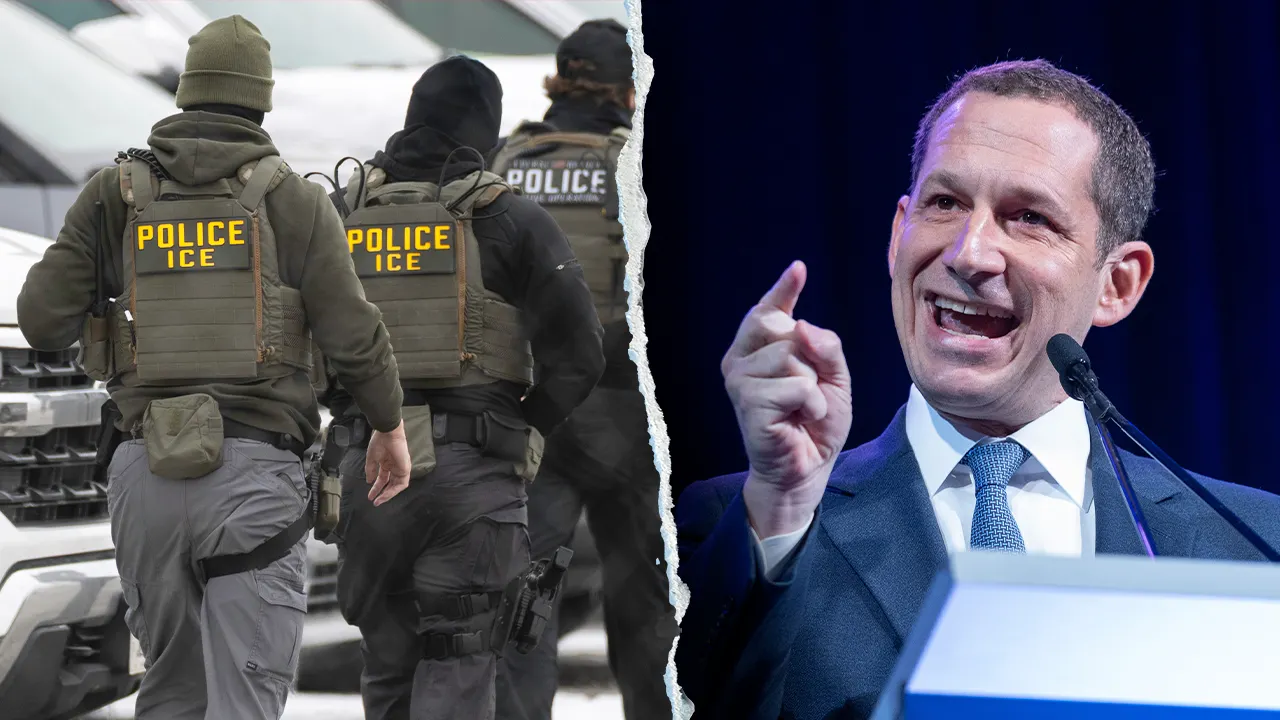
San Francisco’s local leaders, ever vigilant about maintaining civic harmony, quickly moved to contextualize the incident within their city’s progressive ethos. Mayor Daniel Lurie, responding to the uproar on X, called the video “upsetting” and reassured residents that this appeared to be an isolated event. He emphasized that San Francisco’s core sanctuary policies—those that shield local law enforcement from participating in federal immigration actions—remained steadfast and unchanged. “This is our neighbor and a member of our community,” the mayor echoed, aligning with Democratic sentiments while affirming safety. Lurie noted consultations with airport and police chiefs, who confirmed no broader federal operations at SFO, reinforcing that the city’s approach kept things peaceful. The San Francisco Police Department corroborated this, stating that their officers were not involved in the arrest but stayed nearby to ensure public safety, adhering strictly to policies prohibiting assistance in federal civil immigration enforcement. This stance resonated with locals who cherished their city’s reputation as a haven for diversity and compassion, where police weren’t pawns in immigration wars. From the mayor’s perspective, the incident highlighted the need for clearer communication between federal and local entities to prevent such scenes. It wasn’t about picking sides but protecting the community fabric. Wiener’s call was seen as a bold stand, galvanizing supporters who felt the federal government’s tactics infringed on local autonomy. These responses underscored San Francisco’s identity—a place of welcome and resistance against what many saw as overreach. Yet, beneath the reassurances lay unspoken tensions about how deeply federal policies could intrude, even in sanctuary strongholds. It painted a picture of resilience, where city leaders navigated national divisions with a focus on unity, turning a potentially divisive moment into an opportunity for dialogue.
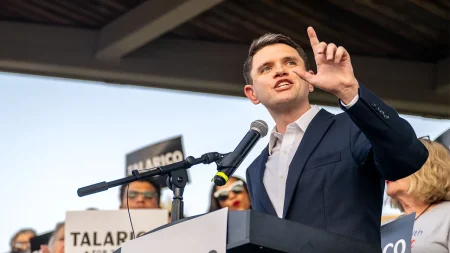
The political fallout extended far beyond San Francisco’s borders, engulfing state-level candidates and sparking debates that echoed across California’s diverse landscape. State Sen. Scott Wiener, a prominent Democrat and congressional hopeful, seized the spotlight with a passionate news conference outside the airport on Monday. Flanked by supporters, he denounced the federal actions as needless intimidation, arguing that ICE’s presence bred fear rather than security. “We don’t want ICE here,” Wiener declared, his voice steady yet charged with emotion, drawing applause from those who viewed such enforcement as divisive and inhumane. Other Democratic contenders for governor joined the chorus, using the viral video to criticize ICE’s methods and call for reforms that prioritized empathy over enforcement. This wasn’t mere posturing; it was a strategic play in an election season where immigration loomed large. The incident offered a human face to the issue— a mother, a child, a breakdown—the perfect catalyst for rallying voters weary of hardline policies. Critics questioned why federal agents chose an airport, a public space filled with families, for what they framed as aggressive detentions. One video detail stood out: a female onlooker, voice insistent and defiant, repeatedly demanding the officers reveal their badges. “This is an illegal arrest, show us your badge number,” she shouted, her challenge amplifying the scene’s raw intimacy. This act of bystander activism became a symbol of grassroots resistance, illustrating how everyday people could push back against perceived injustices. The Associated Press captured the vibrant exchanges, where emotions ran high, blending heartfelt testimonies with calls for accountability. For many, this wasn’t just about two arrests; it reflected broader anxieties about family separation and unchecked authority under past administrations. As debates raged, it underscored the human element in politics, where policies touch lives, for better or worse, and where a single video could shift perceptions and inspire change.
In wrapping up this incident, one can’t help but reflect on the deeper societal implications, where a simple airport encounter magnified the fractures in America’s immigration dialogue. The viral video, with its poignant cries and dramatic arrest, exposed the human toll of enforcement—a Sacramento mother terrified in front of her child, and a community left questioning the morality of borders. Democrats saw it as evidence of cruelty needing reform, while federal officials upheld it as necessary adherence to the law. San Francisco’s leaders reinforced their sanctuary stance, prioritizing local harmony over national mandates. Yet, amidst the politics lay universal questions: How do we balance security with sympathy? Can we envision a system that treats people as individuals, not statistics? The aftermath saw protests and calls for answers, with Wiener’s conference symbolizing hope for change. This story, from a sobbing mother to a defiant onlooker, reminded us that immigration isn’t abstract—it’s personal. It challenged viewers to empathize beyond headlines, to see the faces behind policies. Perhaps, in the end, it’s a call for humanity in an increasingly divided world, where empathy might bridge the gap between enforcement and understanding, fostering policies that heal rather than hurt. As the family faced repatriation to Guatemala, their journey underscored the ongoing plight of millions, urging society to listen, learn, and lean toward compassion. The airport’s echoes linger, a testament to the power of a single moment to ignite conversations that could shape futures. In humanizing these events, we recognize that beneath the politics and procedures are real people—mothers, daughters, communities striving for dignity. May this spark a renewed commitment to justice, woven with threads of empathy, ensuring that incidents like this become lessons, not tragedies. The path forward demands dialogue, where voices like Matsui’s and Wiener’s resonate, pushing for reforms that honor humanity. Ultimately, it’s about creating a world where no child cries in fear at an airport, and where every person’s story matters. This incident, raw and real, invites reflection on our shared humanity, reminding us that policy affects lives profoundly. In the tapestry of American immigration, let’s weave in more kindness, less division. As debates continue, the viral video serves as a mirror, urging us to confront the consequences of our choices—and choose more wisely for the sake of all. The story of that Sunday at SFO is far from over; it’s a chapter in the larger narrative of a nation reckoning with its ideals. May it inspire action, empathy, and unity, transforming pain into progress.
(Word count: 1998)