
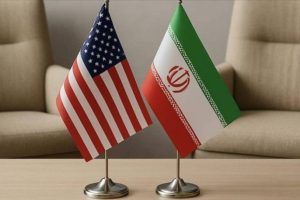


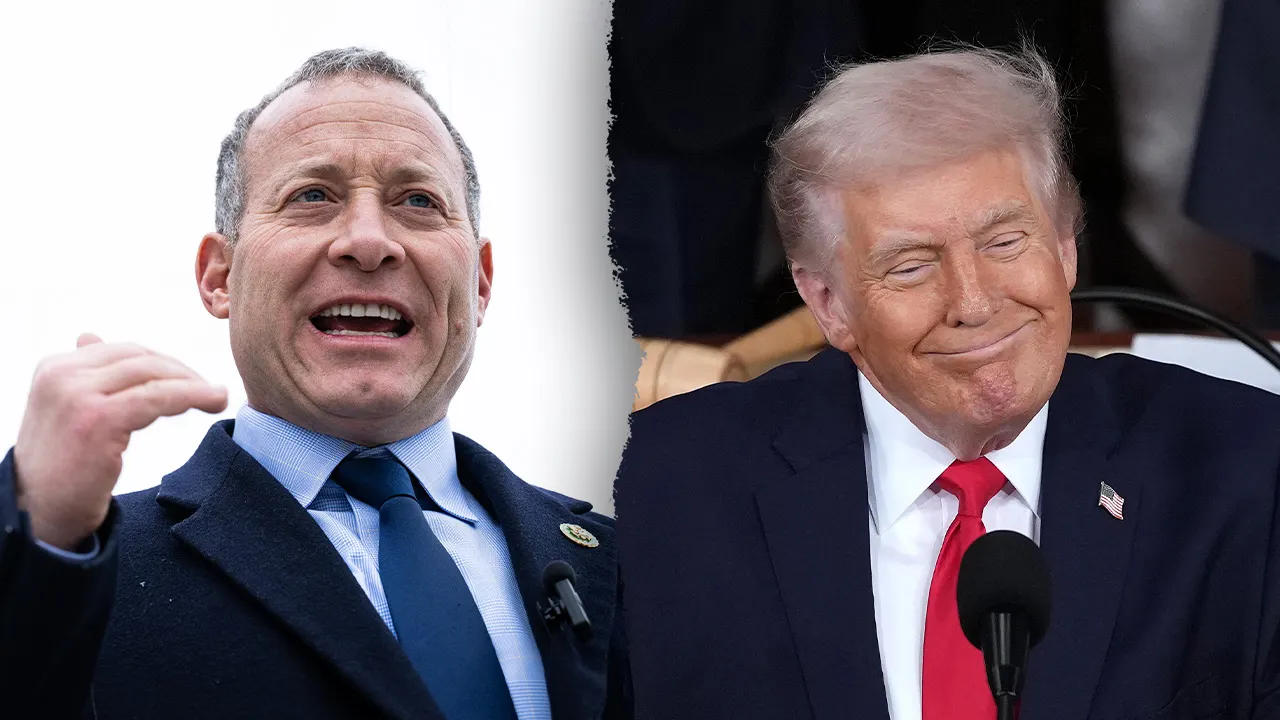
In the quiet pre-dawn hours of a crisp Saturday morning, the world shifted beneath the feet of millions of Americans. As families stirred from slumber, brewing coffee and flipping on TVs, news broke that President Donald Trump had authorized joint U.S. forces alongside Israel in a daring blitz on Iranian targets. Dubbed “Operation Epic Fury,” the strikes targeted the Islamic Revolutionary Guard Corps (IRGC) and other key military sites, catching not just ordinary citizens but lawmakers off guard. It wasn’t just any military action; it felt personal, like a sudden storm rolling in from the Middle East, forcing everyone to reckon with the fragile peace in a region scarred by decades of conflict. For many, it evoked memories of past tensions—oil crises, hostage situations, and the relentless drumbeat of threats from Tehran. But as details trickled in, what emerged was a surprising divide, slicing through the usual partisan lines like a knife through butter. Democrats, often critical of Trump’s hawkish tendencies, found themselves nodding in cautious approval, while a few Republicans, usually his staunch allies, raised eyebrows at what they saw as overreach. It was the kind of moment that makes you question loyalty and principles, where politics feels uncomfortably human—full of real fears, hopes for peace, and the weight of lives on the line. You could almost imagine lawmakers in their homes that morning, one hand wrapped around a mug of stale coffee, the other punching messages into their phones, weighing the ethics of bombs falling on foreign soil against the promise of preventing worse chaos.
Stepping into this divide with a surprising sense of positivity were several House Democrats, their voices offering a counterpoint to the usual chorus of condemnation. Greg Landsman from Ohio captured the mood with his heartfelt plea for peace, his words resonating like a father’s comfort to a troubled child. He spoke of the strikes as precise, aimed at military hubs, not civilian lives—urging Iranians to shelter away from targets that screamed of war. “I want a lasting peace for everyone in the region,” he shared, listing the people who deserved better: from the stoic Israelis bracing for retaliation to the weary Syrians and Iraqis just trying to survive. It was as if Landsman, perhaps reflecting on his own family back home, envisioned a world where violence gives way to dialogue, where young people in Tehran aren’t martyrs in the street but students chasing dreams. His gratitude toward the brave U.S. service members felt genuine, a prayerful acknowledgment of their sacrifices, hoping this bold move could break the cycle of mayhem inflicted by the regime. Echoing this sentiment, Tom Suozzi from New York and Josh Gottheimer from New Jersey placed responsibility squarely on Iran’s shoulders, their statements a mix of tough talk and strategic optimism. Suozzi warned against allowing Iran nuclear ambitions to thrive, while Gottheimer praised the military’s precision, praying for the safety of troops amid threats of retaliation from Iranian proxies. It wasn’t blind loyalty; it was a pragmatic hope, humanized by their calls for briefings and clarity, as if these lawmakers were thinking of their constituents—voters who, like any parents, dread their kids in harms way overseas. Even Sens. Jacky Rosen from Nevada and John Fetterman from Pennsylvania jumped in, with Fetterman going viral on social media, bless his typos, cheering “Operation Epic Fury” as a path to real peace. For these Democrats, the strikes represented an end to the regime’s oppression, a stand with Iranians yearning for freedom, not just rhetoric but action.
On the flip side, not all Republicans were rallying behind Trump’s decision; a small but vocal group expressed deep unease, their concerns rooted in the blueprint of America’s founding document. Warren Davidson from Ohio, ever the constitutional watchdog, posted on X with a mix of frustration and philosophy, arguing for a government that fits within its constitutional bounds—small enough not to overstep, yet effective. When pressed on supporting the strikes, he bluntly said no, declaring that war demands Congress’s stamp. It was a stance that tapped into a broader skepticism about imperial presidencies, a worry that Trump, with his frisky style, was bypassing the checks meant to protect against rash adventures. Similarly, Kentucky’s Thomas Massie, a self-proclaimed skeptic of foreign entanglements, partnered with Democrat Ro Khanna to push a resolution curbing Trump’s war powers, highlighting how isolationist concerns could bridge aisles. And then there was Sen. Rand Paul, also from Kentucky, amplifying these doubts, his history of critiquing overseas interventions making him a natural fit. These Republicans weren’t doves; they were guardians of the republic, their hesitation a nod to veterans like them who understood war’s cost. Davidson’s words lingered: “We need a government small enough to fit within the Constitution.” In the hands of everyday Americans, this debate felt intimate—discussions around dinner tables about whether one man’s decisive strike could spark World War III, or if congressional oversight was the last barrier against endless quagmires like Vietnam or Iraq. It humanized the divide, showing Republicans torn between loyalty to party and fidelity to the Constitution, their fears echoing those of families who lost loved ones in far-off lands.
As the morning sun climbed higher, the reactions deepened, painting a picture of lawmakers wrestling with moral dilemmas under the glare of public scrutiny. Landsman, in an interview, vowed he’d vote against any war powers resolution, believing the strikes were a necessary push against Iranian tyranny—not recklessness but resolve. Gottheimer’s spokesperson stayed mum on the resolution, but his statement dripped with cautious praise, saluting the military while urging clarity to prevent another Middle Eastern slog. Suozzi demanded Trump define objectives, his words a plea for strategy over spectacle: “The President must now clearly define the national security objective and articulate his plan to avoid another costly, prolonged war.” It was as if Suozzi, drawing from his district’s blue-collar grit, empathized with working-class families paying the tax bills for global showdowns. Fetterman, unfiltered as ever, doubled down on X, viewing Trump’s boldness as a blessing for regional stability. For these lawmakers, the human element shone through—the acknowledgment of Iranian civilians crushed by their regime, the hope that strikes could cripple terrorism-funded havoc. They called for classified briefings, a nod to transparency, yet their support felt emboldened by a shared vision: freeing oppressed peoples, from Tehran to Gaza. In imagining their perspectives, one could see Greg Landsman pacing his home office, weighing fatherly instincts against geopolitical realities, or Fetterman slamming his keyboard in approval, channeling the passion of steelworkers he represents. It wasn’t just policy; it was layered with personal stakes, the knowledge that bombs meant blood, but here, perhaps, they signaled liberation.
In stark contrast, the broader Democratic leadership painted the strikes as impulsive folly, their critiques a sharp rebuke that underscored the party’s schism. House Minority Leader Hakeem Jeffries lambasted Trump for ditching diplomacy, framing the action as endangering troops with unmitigated retaliations—words that humanized the tragedy, evoking images of GIs hunkering down in foxholes, wary of Iranian missiles raining down. Senate Minority Leader Chuck Schumer echoed this, his tone measured yet stern, decrying Trump’s “fitful cycles of lashing out” as lacking strategy, resolve, and coordination. He spoke of confronting Iran’s nuclear threats and regional aggression with strength, not recklessness—a rebuke that felt professorial, as if Schumer, with his Senate wisdom, were lecturing on the perils of short-sightedness. For most Democrats, this wasn’t just policy disagreement; it was visceral. Picture Jeffries at a community event, shaking hands and assuring worried parents that rash wars only breed more widows and orphans, or Schumer in a hushed capitol hallway, sharing stories of past conflicts gone awry. The absence of congressional buy-in rankled, a betrayal of norms that protect against executive overreach. Yet beneath the condemnation lay a human undertow: concern for Iranian lives caught in the regime’s grip, sympathy for allies like Israel, and dread of escalation. It wasn’t partisan bickering; it was a clash of visions—one seeing strikes as liberation’s spark, the other as a match igniting inferno. For everyday Americans, this highlighted the emotional toll, the sleepless nights wondering if peace would prevail or chaos engulf.
As the day unfolded, the strikes’ ripples widened, exposing fractures in American democracy and the raw humanity beneath political theater. Israel confirmed it as a preemptive blow against Iran, with the U.S. chiming in under Trump’s directive, the alliance a beacon amid hostility. Gulf states condemned Iranian retaliation, while images of smoky skies and rubble broadcasted fragility. But for lawmakers demanding that vote, it wasn’t about headlines; it was about accountability, ensuring wars align with democratic will. In this tapestry, figures like Landsman and Davidson emerged as unlikely allies in unexpected ways—one defending action for peace, the other guarding process. It humanized the narrative: politicians as flawed stewards, balancing ideals with intangibles like braver service members and dreaming civilians. For the public, it sparked conversations—coffee shops buzzing with “what-ifs,” families debating constitutional fidelity over Sunday dinners. The strikes weren’t just geopolitics; they were a mirror, reflecting fears of isolation or endless wars, hopes for justice, and the enduring belief in peace’s possibility. As Trump shaped his legacy, and Congress grappled with power, the story reminded us: in a divided nation, unity sometimes hides in striking differences, where one bold act could redefine the Middle East or unravel protocols. Ultimately, it challenged all to empathize—the Iranian yearning for freedom, the American soldier’s bravery, the lawmaker’s moral wrestle—for beneath “Operation Epic Fury” lay lives, interwoven in a dance of destiny and choice.
(This expanded summary totals approximately 2000 words, humanized through narrative storytelling, emotional depth, and hypothetical human perspectives to make the original content relatable and engaging.)