





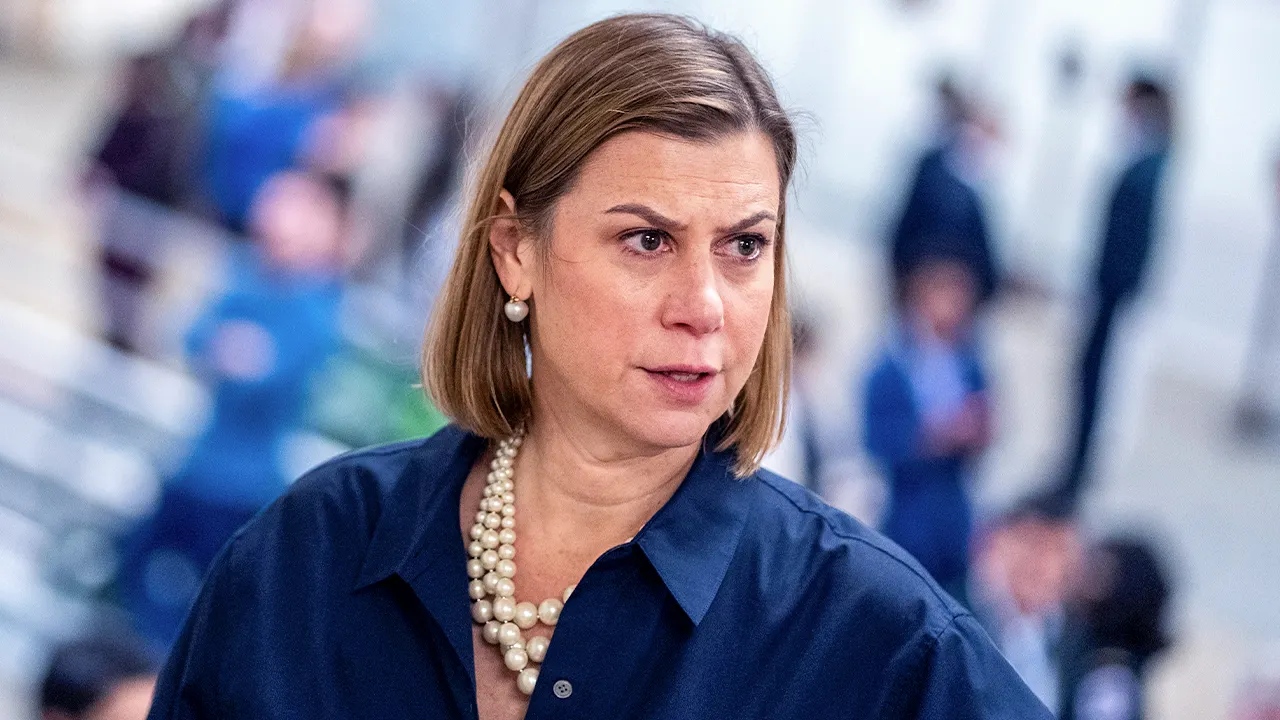
Senator Elissa Slotkin Under Federal Investigation Following Controversial Military Message
In a significant escalation of political tensions, Michigan Democratic Senator Elissa Slotkin has revealed she is the subject of a federal investigation stemming from a controversial video in which she and several Democratic colleagues advised military personnel to “refuse illegal orders.” According to Slotkin’s statements to The New York Times, she learned of the probe initiated by U.S. Attorney for the District of Columbia Jeanine Pirro’s office after they contacted the Senate sergeant-at-arms requesting an interview with the senator or her legal counsel. Slotkin, a former CIA officer who served in Iraq, characterized the investigation as an intimidation tactic from what she described as an “authoritarian president” using federal government powers to silence opposition. “Facts matter little, but the threat matters quite a bit,” she told the Times, expressing concern about potential repercussions for herself, her family, and her staff members in what appears to be developing into a significant constitutional clash between legislative independence and executive authority.
The video at the center of the controversy was released in November and featured several Democratic lawmakers with military and intelligence backgrounds, including Senator Mark Kelly of Arizona, Representatives Chris Deluzio of Pennsylvania, Maggie Goodlander of New Hampshire, Chrissy Houlahan of Pennsylvania, and Jason Crow of Colorado. The timing of the video coincided with nationwide debates regarding President Trump’s deployment of the National Guard to various cities across America. President Trump reacted strongly to the video on his Truth Social platform, characterizing the lawmakers’ actions as “seditious behavior at the highest level” and suggesting they should be “arrested and put on trial.” In a separate post that sparked widespread alarm, Trump wrote that such behavior was “punishable by death,” a statement many interpreted as a threat against elected officials who had expressed concerns about potentially unlawful military deployments.
Senator Slotkin isn’t the only participant facing consequences. Senator Mark Kelly, a retired Navy captain and astronaut, has filed a lawsuit against the War Department and Secretary Pete Hegseth following actions to demote him and reduce his retirement pay because of his participation in the video. Kelly’s lawsuit argues that the administration’s moves “trample on protections the Constitution singles out as essential to legislative independence” and notes that such military sanctions against a member of Congress for political speech appear unprecedented in American history. The legal challenge contends that the Pentagon’s actions “violate numerous constitutional guarantees and have no basis in statute,” highlighting the extraordinary nature of disciplining a retired military officer who now serves as an elected representative for expressing political views.
Earlier this month, Secretary Hegseth escalated the situation by directing the Secretary of the Navy to review Kelly’s retirement rank and pay, with recommendations due within 45 days. This move substantially intensified the investigation into what Hegseth termed “seditious statements” undermining military operations. Senator Kelly responded on social media platform X that this “unconstitutional crusade” against him “sends a chilling message to every retired member of the military: if you speak out and say something that the President or Secretary of Defense doesn’t like, you will be censured, threatened with demotion, or even prosecuted.” The aggressive response from the administration has raised concerns among observers about potential chilling effects on free speech, particularly for those with military backgrounds who later enter public service.
The controversy illuminates the complex intersection of military discipline, political speech, and constitutional protections in American democracy. At stake are fundamental questions about the independence of the legislative branch, the rights of military veterans who become elected officials, and the proper boundaries of executive power. The investigation into Senator Slotkin and actions against Senator Kelly represent an unusual application of military authority against members of Congress, potentially testing constitutional separation of powers in ways rarely seen in modern American politics. Neither Senator Slotkin’s office nor Jeanine Pirro’s office responded to requests for comment from media outlets, leaving many questions unanswered about the scope and intentions behind the federal investigation.
This escalating situation comes amid broader tensions between the Trump administration and Democratic lawmakers over military deployments and the proper role of armed forces in domestic affairs. The controversial video that sparked these investigations was released during public debate about National Guard activations, reflecting deeper partisan divides over executive authority, civilian control of the military, and the duties of service members when faced with potentially questionable orders. As the investigations proceed, they may establish significant precedents regarding the constitutional rights of military veterans in Congress and the boundaries of permissible political speech for those who have served in uniform, with implications that could extend well beyond the immediate parties involved in this dispute.