


Steny Hoyer to End Remarkable Four-Decade Congressional Career
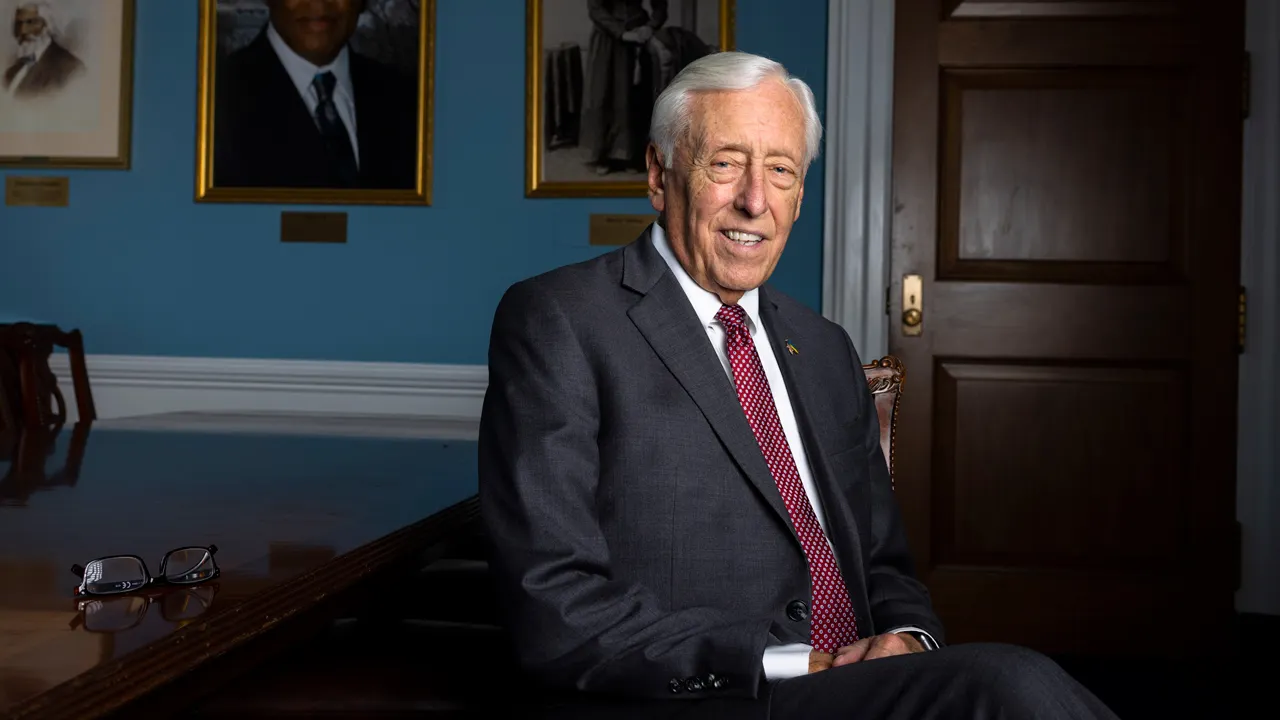
Long-serving Democratic Representative Steny Hoyer of Maryland is reportedly preparing to announce his retirement from Congress after an impressive 43-year career in the House of Representatives. According to reports from Politico and other sources, the 86-year-old lawmaker has scheduled a 10 a.m. ET floor speech on Thursday, where he is expected to officially announce his decision to step down. This announcement comes after Hoyer reportedly made his final decision during the recent holiday season, choosing to conclude his lengthy tenure rather than seek re-election to the seat he has held since 1981.
Hoyer’s congressional legacy is defined by his remarkable rise through Democratic leadership ranks to become the second-most powerful Democrat in the House, serving directly under former Speaker Nancy Pelosi. His political journey began in 1981, and over the decades, he established himself as an essential figure in Democratic politics, becoming the third-longest-serving current member of the House. His leadership was particularly influential during two separate terms as House Majority Leader—first following the Democratic victory in the 2006 elections and again in 2019 after Democrats regained control during President Trump’s first term. Throughout his tenure, Hoyer has been known for his steady hand and institutional knowledge, helping to guide the Democratic agenda through both challenging and triumphant periods.
During the Obama administration, Hoyer played a crucial role in advancing signature Democratic legislation, most notably helping to pass the Affordable Care Act. His legislative expertise and ability to build consensus among diverse Democratic factions made him invaluable during periods when Democrats controlled the House. As a respected senior statesman within the party, Hoyer’s methodical approach to governance and deep understanding of congressional procedure allowed him to effectively navigate the complex legislative process, translating Democratic priorities into tangible policy outcomes during pivotal moments in recent American history.
Hoyer’s retirement will create a significant opening in Maryland’s political landscape, as his departure will trigger what is expected to be a competitive Democratic primary in his deep-blue district, which spans from the eastern suburbs of Washington, D.C., to southern Maryland. According to The Washington Post, Hoyer does not plan to make an early endorsement in the race to succeed him, allowing for an open contest among potential Democratic candidates. This approach reflects Hoyer’s long-standing commitment to democratic processes and his desire to allow voters in his district to determine their next representative without undue influence from the outgoing congressman.
The timing of Hoyer’s retirement comes during a period of generational transition within the Democratic Party, following the step back of Nancy Pelosi and other senior Democratic leaders from top positions after the 2022 midterm elections. While Hoyer had already yielded his leadership position as part of this transition, his complete departure from Congress represents another significant moment in this ongoing shift toward newer voices within the Democratic caucus. His retirement marks the end of an era for Maryland politics and for the House Democratic leadership, where Hoyer’s steady presence has been a constant through multiple administrations and countless political battles.
Throughout his career, Hoyer has been respected across the aisle for his institutional knowledge and commitment to the legislative process, even as political polarization has increased in recent years. His departure will remove one of the few remaining members of Congress with experience dating back to the Reagan administration, further diminishing the ranks of lawmakers with firsthand knowledge of a less divided era of American politics. While Hoyer’s office has not yet officially confirmed the retirement reports, his expected announcement represents the closing chapter of one of the most enduring careers in modern congressional history—a tenure marked by legislative accomplishments, steadfast leadership, and an unwavering commitment to his Maryland constituents and Democratic principles.