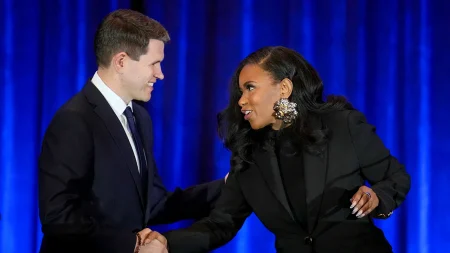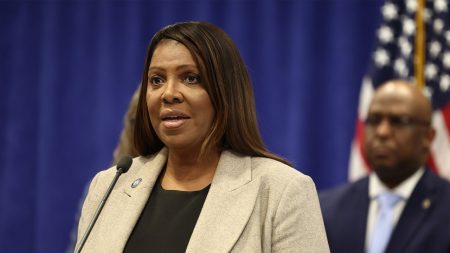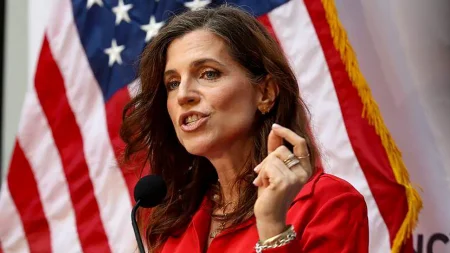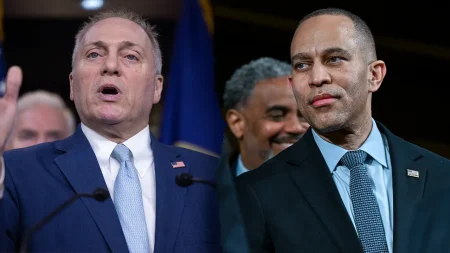



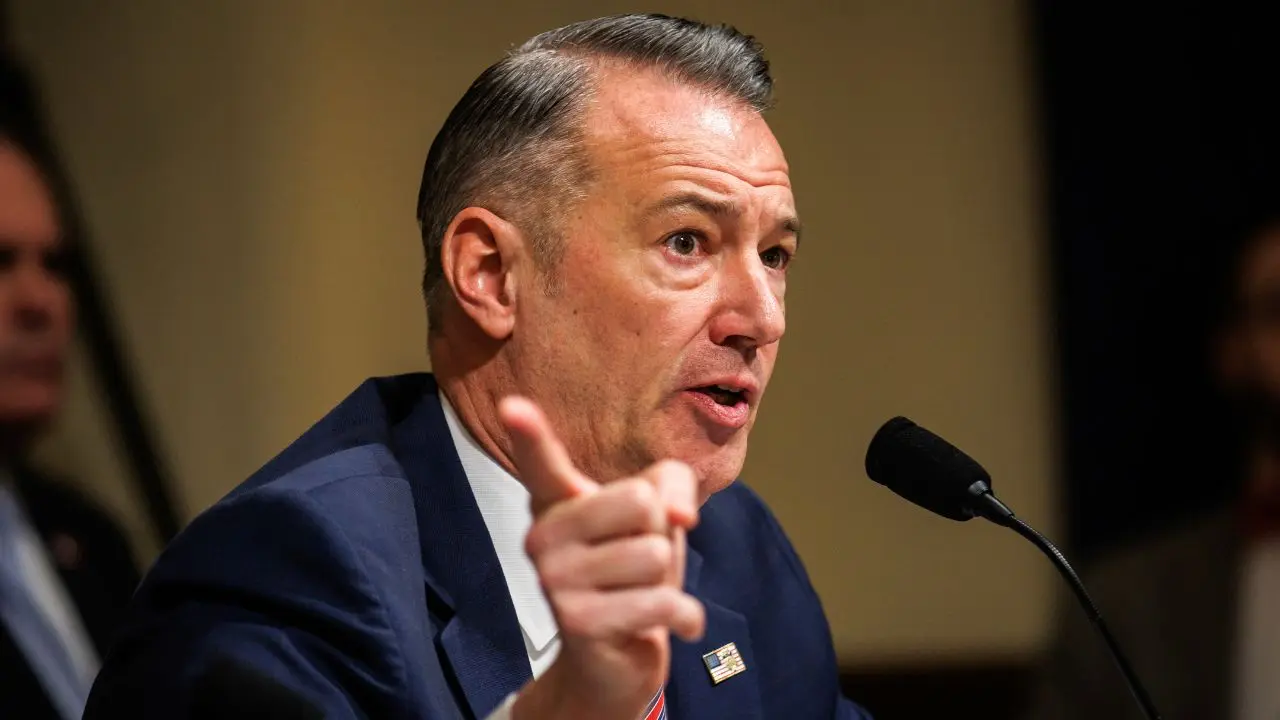
Imagine stepping into the bustling chambers of the U.S. House of Representatives, where the air buzzes with tension and the weight of history hangs heavy. It’s a Tuesday in what feels like a pivotal moment for American democracy, and the spotlight is on the House Homeland Security Committee hearing. Democratic lawmakers are squaring off against Immigration and Customs Enforcement (ICE) officials, particularly acting director Todd Lyons, who’s there to defend his agency’s enforcement tactics. The topic? Immigration enforcement gone awry, with accusations flying about agents resembling fascists from a dark past. Picture yourself as an observer in the room—journalists scribbling notes, cameras rolling, and representatives leaning in with furrowed brows. The Democrats aren’t holding back; they’re drawing bold comparisons to Nazis and the Gestapo, painting a picture of an agency that’s overstepping and ignoring civil liberties. Lyons, a seasoned bureaucrat, steps to the podium, his voice steady but his eyes revealing the storm brewing inside. He’s there to discuss accountability, transparency, and the nagging questions about how ICE operates in a society that values freedom and fairness. Amid the applause and heckles, it’s clear this isn’t just a policy debate—it’s a clash of ideologies, where every word carries the echo of America’s immigrant history and ongoing struggles with border security. As a human watching, you can’t help but feel the raw emotions: fear from those worried about unchecked power, anger from those defending public safety, and a collective unease about where our nation is headed.
The tension escalates when Rep. Dan Goldman from New York takes center stage, his questions cutting like a knife through the formalities. Goldman, with his sharp intellect and unyielding passion, presses Lyons on reports that ICE agents are stopping people on the streets and demanding proof of U.S. citizenship. “Have your agents been asking folks to show ID just to prove they’re citizens?” Goldman inquires, recounting stories where even American-born people have felt the sting of these encounters. Lyons responds cautiously, explaining that such checks are part of broader enforcement, but Goldman pushes further, evoking historical nightmares. He drops the question: “Is Nazi Germany one of those ‘nefarious regimes’ that required citizenship proof?” It’s a loaded query, pulling in the traumas of the Holocaust, the Soviet Union’s oppressive tactics, and other regimes where proving your loyalty meant surviving suspicion. In that moment, the room falls silent, then erupts—goldfish eyes widen, heads nod in agreement, and you sense the human cost of power imbalances. Goldman isn’t just asking; he’s humanizing the victims of ICE’s actions, reminding everyone that behind the policies are real people—families torn apart, lives disrupted. As a bystander, you imagine the weight on Goldman’s shoulders, representing constituents who’ve shared tales of everyday Americans feeling scrutinized, like they’re all suspects in some unending pursuit. This isn’t abstract; it’s personal, touching on the fears we all share about being judged by strangers in authority.
But Lyons doesn’t back down; his response is a spark that ignites the powder keg. He calls Goldman’s historical analogy “inappropriate,” his voice rising, imploring the committee to stick to facts rather than inflammatory rhetoric. Then, in a burst of frustration, he snaps: “The Holocaust Museum is on 14th Street and Independence. If you want to go see Nazis, that’s where it is.” It’s a line that hangs in the air, equaling Goldman’s escalation—a reminder that comparing modern officials to Holocaust perpetrators isn’t just heated debate; it’s painful for those who understand history’s gravity. Lyons, defending his team’s honor, ties these comparisons to rising threats against ICE personnel. He shares stories of agents facing assaults, their families living in fear, all because they’ve been labeled “Gestapo or secret police” by critics and lawmakers alike. It’s chilling to think of the human toll: dedicated public servants risking their lives, only to get vilified in political theater. You feel for Lyons here—a man who’s seen the front lines, arresting those who break laws, but now portrayed as some villain from a history book. The exchange humanizes the debate, showing not just policy disagreements, but the exhaustion of officials grappling with public scorn while trying to protect borders that millions depend on for security and stability.
Goldman, undeterred, reclaims his time and fires back with even more fervor, accusing ICE of turning criticism “backwards.” He argues that the public’s outrage isn’t born of hatred but from witnessing tactics that feel “un-American and outright fascist.” In a powerful rallying cry, he says, “People are simply making valid observations about your tactics… So I have a simple suggestion: If you don’t want to be called a fascist regime or secret police, then stop acting like one.” It’s a turning point, where the hearing transforms into a moral reckoning. Goldman, by humanizing the critics, invites us to empathize with everyday Americans who see ICE as an overreach—a force that’s blurring lines between enforcing laws and intimidating communities. Think of the barista stopped on his way to work, or the mother questioned while picking up kids from school; these aren’t hypothetical; they’re lived experiences fueling Goldman’s fire. As you sit there, absorbing the fervor, it prompts reflection on our shared values: freedom from unwarranted suspicion, dignity in our interactions with authority. Goldman’s words resonate because they cut through bureaucracy, appealing to our innate sense of justice and humanity.
The controversial comparisons aren’t isolated; they ripple through the hearing from other lawmakers. Rep. Bennie Thompson from Mississippi chimes in, referencing a protester named Greg Bovino who dressed in Nazi attire while criticizing federal ops in Minnesota. He highlights the use of masked agents during enforcement, likening it to tactics that stifle dissent and erase identities. Thompson’s critique broadens the lens, focusing on recent events like the fatal shootings of Renee Good and Alex Pretti in Minneapolis last month. These tragedies underscore concerns about transparency—agents operating in masks or unmarked gear, encounters with U.S. citizens that go undocumented, and a shocking lack of body-camera footage that’s left families and the public in the dark. Humanizing this, envision the anguish of grieving loved ones, demanding answers that footage could provide: Was force necessary? Were there options? The hearing dives into these incidents, painting a picture of an agency where technology for accountability lags behind, potentially enabling misconduct. Thompson, a steadfast advocate for civil rights, uses his platform to amplify voices from affected communities—activists, immigrants, and locals fearing a repeat of historical oppressions. It’s a call for reform, reminding us that beneath the political banter lie real stakes: lives, trust in institutions, and the soul of democratic oversight.
Finally, under relentless questioning, Lyons concedes some ground, acknowledging that only a small fraction of ICE agents currently wear body cameras. Lawmakers urge him to expand this, releasing footage publicly to restore faith and deter abuses. He ties this back to the threats his team faces, explaining how such rhetoric has inflamed situations, leading to roadblocks and direct assaults. For instance, he references anti-ICE actions in Minneapolis, defended by figures like Border Czar Tom Homan, who called them a “joke.” Lyons advocates for respect, emphasizing that his agents are patriots upholding the rule of law, not oppressors. Yet, as the hearing wraps, the human undertone persists: a nation divided on immigration. You leave with a mix of emotions—grateful for outspoken representatives challenging power, empathetic toward officials bearing the brunt of polarized views, and hopeful for changes that prioritize humanity. It’s a reminder that these hearings aren’t far-off spectacles; they’re windows into our collective future, where every voice matters in shaping a just society. From the initial sparring to the final pledges for more cameras, the day underscores the delicate dance between security and liberty, urging us all to listen, reflect, and act with compassion. In humanizing these exchanges, we see that beyond the headlines, it’s people—lawmakers, agents, citizens—striving for a balance that honors America’s promise of equality and protection alike.