





The Frustration of Airport Hassles and Hidden Dangers
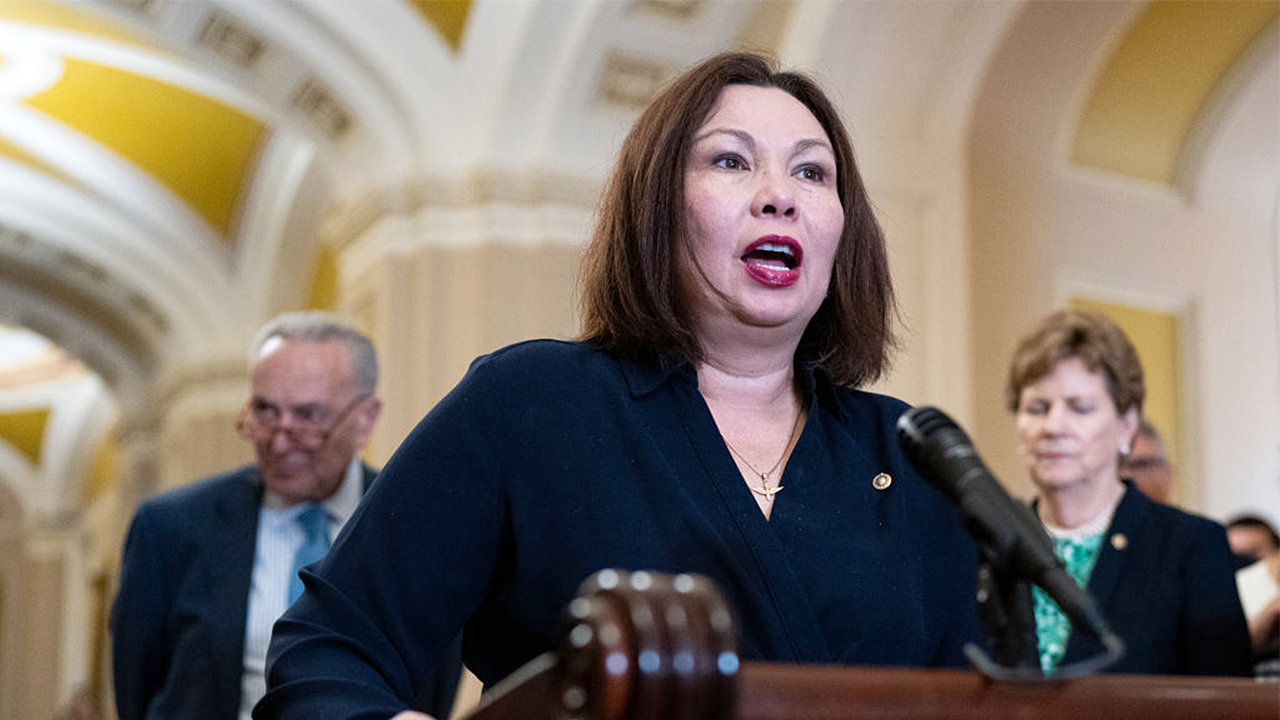
Imagine you’re rushing through the airport, late for your flight, toddlers in tow, juggling bags and boarding passes, and then you hit that TSA line. We’ve all been there, stripping down to our essentials, feeling the impatience build as shoes come off, belts unclasp, and laptops get yanked from bags. It’s a ritual we’ve grudgingly accepted since 9/11, a supposed safeguard against threats we can’t see. But what if that ritual wasn’t as ironclad as we’ve been told? Senator Tammy Duckworth, a Democrat from Illinois who’s flown her own share of military missions and knows the weight of security firsthand, is sounding the alarm. She’s not just complaining—she’s demanding action from the Transportation Security Administration (TSA) to bring back the old “shoes-off” policy that required passengers to remove their footwear before breezing through checkpoints. Duckworth, who lost both legs in combat as a military pilot, argues that this isn’t about inconvenience; it’s about plugging a gaping hole that could let terrorists smuggle dangerous items right onto planes. “Allowing this security deficiency to linger is a betrayal of the flying public’s trust,” she writes in a scathing letter. Her voice carries the weight of experience, reminding us that in a world where threats evolve, cutting corners for a smoother experience might cost lives.
A Blast from the Past: The 2006 Shoes-Off Mandate
Rewind to 2001, post the tragic September 11 attacks, when airports became high-alert fortresses overnight. That led to the pivotal 2006 policy: travelers had to kick off their shoes—yep, every single pair, from sneakers to stilettos—before stepping into those full-body scanners or getting wanded down. It started as a response to the infamous “shoe bomber,” Richard Reid, who tried to ignite explosives hidden in his footwear mid-flight. For nearly two decades, it was non-negotiable, a universal rule that turned airport lobbies into impromptu sock conventions. Security pros claimed it was essential, catching live ammunition, knives, and who-knows-what else stashed in soles. But fast-forward to 2025, under the Trump administration, and the script flips. Former DHS Secretary Kristi Noem, eyeing efficiency boosts, decided to scrap it altogether. On July 8, 2025, Noem’s team announced: shoes stay on, travelers got a pass. “This will make checkpoints fly by,” they promised, highlighting advances in tech like improved scanners and layered defenses. It was supposed to slash wait times, letting families board faster and commutes feel less like interrogations. Yet, Duckworth sees it as recklessly dismantling a barrier against catastrophe. In her letter, she calls it a “reckless act” that prioritized optics over safety, done without deep input from TSA experts.
The Political Gambit Behind the Policy Shift
Noem’s push to ax the shoes-off rule wasn’t born in a vacuum. It aligned with the Trump administration’s broader swagger toward deregulation and speed—think streamlined processes that keep the economy humming and polls climbing. “We expect this change will drastically decrease passenger wait times,” Noem said at the time, touting cutting-edge scanners and multi-layered approaches. It sounded like progress, a nod to innovation that lets tech do the heavylifting while folks keep their kicks on. But Duckworth uncovers a darker motive: politics trumping prudence. She accuses Noem of gambling with national security to burnish her image, perhaps chasing favor amid Trump’s flashy policies. “Secretary Noem’s willingness to gamble the American people’s security in an unsuccessful attempt to boost her popularity,” Duckworth blasts, framing it as a “stunning failure of leadership.” This wasn’t just a tweak; it mirrored a pattern in the administration’s push for quick wins, like betting on tech to outpace threats, even as global tensions simmered. For average travelers, it meant shorter lines, sure, but at what cost? The senator paints a picture of complacency, where efficiency eclipses vigilance, leaving doors ajar for those who mean harm.
The Whistleblower’s Wake-Up Call
Enter the classified watchdog report—a bombshell from the inspector general that strips away any illusions. According to CBS News, this internal probe revealed a stark truth: TSA’s advanced scanners, the ones hailed for modern miracles, simply can’t effectively screen shoes when they’re left on. The report flagged it as an urgent flaw, a “security vulnerability” created by Noem’s 2025 flip-flop. Imagine explosives or weapons tucked into insoles, slinking past undetected, all because tech lags behind. Duckworth hammers the point: Noem knew about this—her office got the report—but sat on it for months. “Her failure to act is outrageous and dangerous,” Duckworth declares, emphasizing that inaction breeds risk. The senator, drawing from her military background, humanizes the peril: picture a family on vacation, boarding innocently, unaware that a subtle oversight might turn their dream trip into a nightmare. The report’s findings weren’t buried; it urged immediate fixes, but deadlines ticked by. Seven months later, with Noem ousted by Trump in favor of new DHS Secretary Markwayne Mullin, the hole remains. Duckworth frames it as a dereliction of duty, violating federal law’s 90-day window for corrective steps, ignoring OMB guidance and DHS protocols. It’s not abstract; it’s a tangible threat to the millions who fly daily, trusting the system to keep them safe.
A Scandal in Leadership and Legal Oversights
Duckworth’s letter, addressed to Acting TSA Administrator Ha Nguyen McNeill, dives deep into the fallout, wielding facts like a prosecutor’s arsenal. She argues the policy breach isn’t just bad judgment—it’s potentially illegal, missing mandated timelines for action after the watchdog’s alarm. “Such inaction violates Federal law,” she writes, spotlighting how Noem’s hubris let a “catastrophic security deficiency” fester. Moreover, Duckworth ties it to Trump’s own escalations, like the contentious war against Iran, which DHS flagged as ratcheting up domestic threats. “President Trump’s decision to launch an unconstitutional war of choice against Iran” heightened risks, she notes, making Noem’s gamble feel like piling on. The senator, no stranger to toughness—her Army career saw her helicopter crash, lifelong amputation, and fierce advocacy for veterans—channels that resolve here. “Betraying TSA’s mission” with this delay isn’t oversight; it’s negligence. She demands an immediate reversal: shoes off, as before, to shore up defenses. For Noem, ousted by Trump, it’s a legacy stain, prioritizing political points over passenger safety. Duckworth’s words echo broader frustrations with a system where insiders play fast and loose, leaving everyday Americans vulnerable. It’s a call for accountability, reminding us bureaucracies aren’t faceless—they’re led by people whose decisions ripple out to real lives at 30,000 feet.
Standing Up for the Flying Public’s Safety
In the end, Duckworth’s crusade cuts to the heart of what “secure” really means in our chaotic world. Shoes off or on—it might sound trivial, but it’s a emblem for vigilance versus convenience. She implores TSA to act now, reversing Noem’s call, lest another tragedy underscores the folly. Travelers hail from all walks: grandparents visiting kin, business folks closing deals, tourists chasing horizons. Their stories shouldn’t end in catastrophe because of overlooked tech flaws or partisan priorities. Duckworth’s push humanizes the stakes—each flight a quiet act of faith, each passenger a person with dreams and fears. As global tensions mount, from undeclared wars to hidden antagonists, we can’t afford shortcuts. “We deserve better,” her stance asserts, urging a return to proven protocols. It’s about more than policy; it’s about restoring trust in a system that’s meant to protect, not gamble. Duckworth’s voice, sharp and unyielding, challenges us all to demand safer skies, reminding that true leadership safeguards the vulnerable, one shoe at a time. In an era of endless checks and balances, her demand is a rallying cry for caution over speed, because in the air, there’s no room for maybes—just certainty, and for now, that means feet bare at security’s door.