





Minnesota’s New Paid Leave Law Sparks Controversy Amid Ongoing Fraud Crisis
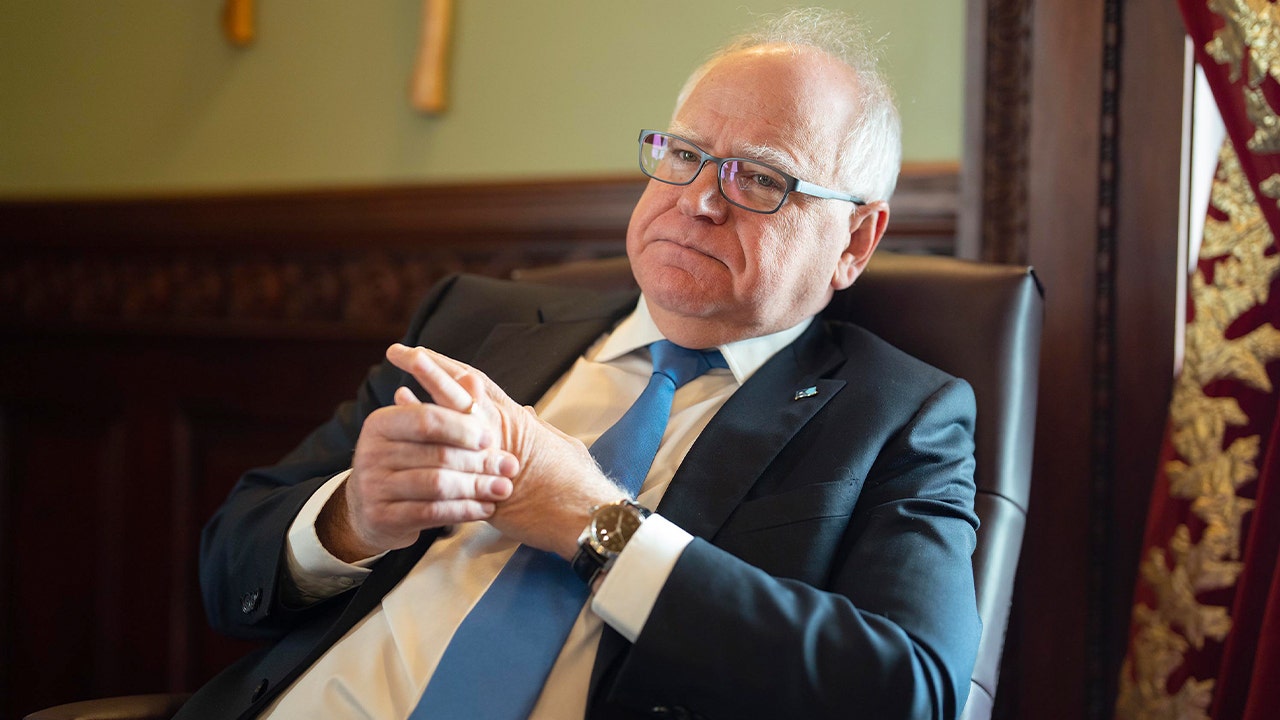
As Minnesota grapples with an unfolding fraud scandal that prosecutors estimate could total $9 billion across multiple welfare programs, a new paid leave law is set to take effect on January 1, 2024, igniting heated debate about the state’s ability to prevent further abuse. Signed by Governor Tim Walz, the legislation provides workers with up to 12 weeks of partially paid leave annually to care for newborns or sick family members, and another 12 weeks for personal illness recovery, with a combined annual cap of 20 weeks. “Everyone deserves paid time away from work, to heal, to grow, and to live,” Lieutenant Governor Peggy Flanagan declared at the 2023 signing ceremony, emphasizing that such benefits are “not optional” but essential for Minnesota to be “the best state in the country to raise a family.”
The implementation of this law comes at a particularly sensitive time for Minnesota, as the state is still reeling from revelations of massive fraud in nonprofit and welfare programs. Critics have been quick to raise concerns about potential vulnerabilities in the new system. The paid leave program will operate separately from existing federal and Minnesota parental leave provisions, though benefits can run concurrently. Administration falls to a newly established government agency—the Minnesota Department of Employment and Economic Development—which will employ over 400 full-time staff to oversee the process, raising questions about bureaucratic efficiency and oversight capabilities in a state already struggling with program integrity issues.
Critics have not minced words about their skepticism. “In the middle of a massive fraud scandal, Minnesota Democrats are bragging about creating a new entitlement just as ripe for abuse,” wrote Red State writer Bonchie on social media platform X. Bill Glahn, a policy fellow at the Center of the American Experiment who has long covered fraud issues in Minnesota, offered an even starker assessment, describing the program to Fox News Digital as “the next billion-dollar fraud.” He criticized Democrats for creating an entirely new state-run bureaucracy staffed by hundreds of unionized government employees rather than utilizing private insurance companies to administer the benefits. Glahn pointed out that similar proposals had previously been rejected when Republicans controlled the Minnesota House, but Democrats passed the law after gaining full control, without any Republican support.
The potential for exploitation appears significant, according to critics. Glahn outlined several vulnerabilities: the creation of fictitious companies and employees, minimal contributions followed by large benefit claims, and multiple individuals claiming paid leave to care for the same relative without effective verification. Because claims are tied to private homes rather than centralized locations, fraud detection becomes exceedingly difficult. He also warned of a scenario where individuals could work briefly to qualify, then repeatedly claim extended paid leave periods—effectively getting paid for a full year while working only part of it. “This is going to be just like all these Medicaid programs that they start de novo, where they say, ‘Oh, we’ll probably have two or three million dollars worth of claims on this,’ and then it quickly balloons up to 100, 200 million,” Glahn cautioned.
Dustin Grage, a Townhall columnist who has extensively commented on Minnesota fraud, echoed these concerns: “When you build a multi-billion-dollar state benefit program with weak oversight, fraudsters line up. We’ve already seen what happens in Minnesota. The paid family leave system will be a magnet for abuse.” The pattern seems familiar to observers like Glahn, who notes that Minnesota has repeatedly created new entitlement programs that attract opportunists who quickly identify and exploit loopholes, overwhelming whatever oversight mechanisms exist. With the current welfare fraud scandal reportedly affecting at least 14 programs, many Minnesotans are questioning whether the state has learned any lessons about program integrity and accountability.
State officials, however, defend the new law’s safeguards. A spokesperson for the Minnesota Department of Employment and Economic Development told Fox News Digital that assertions about likely fraud “are not based in fact,” emphasizing that “Paid Leave has launched with strong systems in place to verify identities and work histories and to detect and prevent fraud.” The spokesperson detailed several protective measures: all leaves must be certified by appropriate professionals (such as medical providers whose credentials are verified), every application requires proper certification, and employers are notified about leave applications with opportunities to review information and report concerns. The department also accepts and investigates fraud tips from all sources. Despite these assurances, the shadow of the ongoing fraud scandal looms large, with Glahn’s pessimistic assessment resonating with many skeptics: “It’s going to be just like every other program.”
As Minnesota stands at this crossroads between expanding worker benefits and addressing systemic vulnerabilities, the success or failure of this paid leave program may have significant implications not only for the state’s workforce but also for its public trust in government programs. The coming months will reveal whether the state has truly implemented effective safeguards or whether critics’ concerns about creating “the next billion-dollar fraud” were warranted all along.