


Streamlining Egg Supply to Combat Rising Prices: Cotton’s New Bill
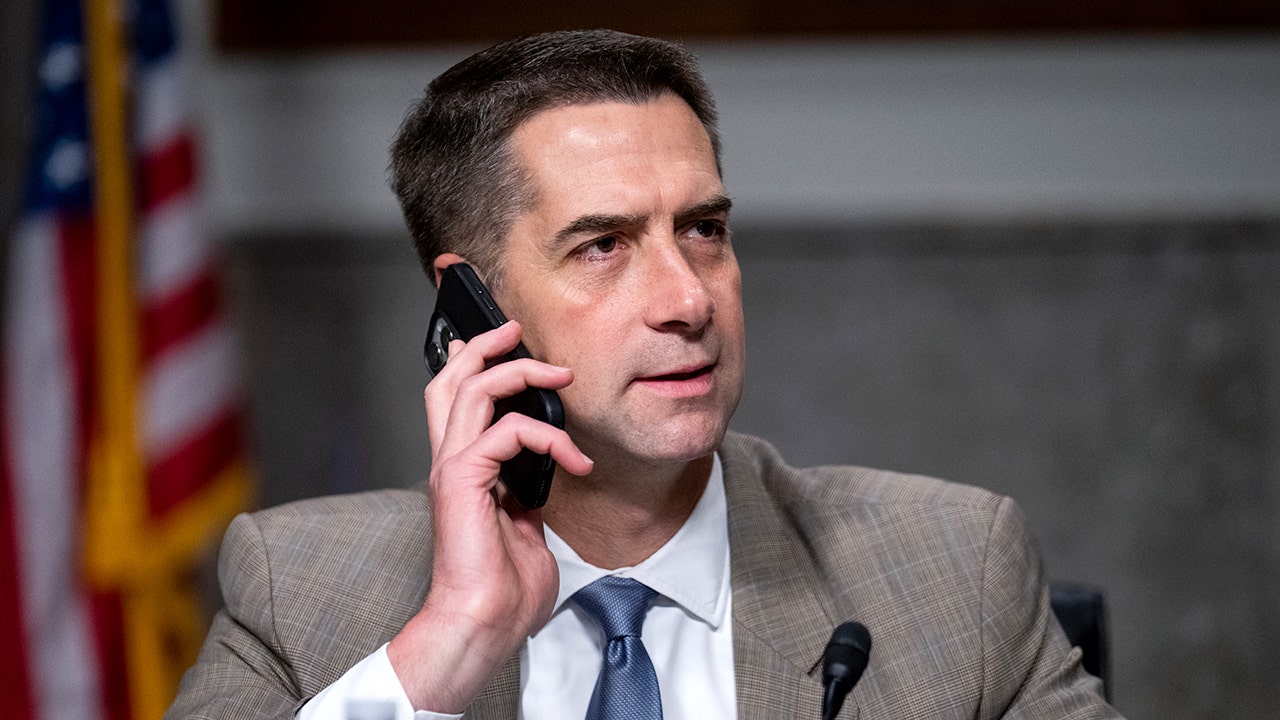
Senator Tom Cotton of Arkansas has unveiled a legislative initiative aimed at addressing the persistent issue of high egg prices across the nation. The “Lowering Egg Prices Act of 2025” focuses on eliminating regulatory barriers that currently prevent millions of viable eggs from reaching American consumers. In a time when many households continue to struggle with grocery costs, this proposed legislation offers a practical approach to increasing egg supply and potentially reducing prices at the checkout counter.
At the heart of Cotton’s bill is a straightforward solution: allow surplus broiler hatching eggs—fertile eggs originally destined for chicken production—to be redirected into the food supply as pasteurized liquid egg products. Under current regulations, these eggs must be discarded rather than used for human consumption, creating unnecessary waste in the food supply chain. “Arkansas consumers have paid higher egg prices and faced egg shortages because of bureaucratic red tape that forces farmers to throw out hundreds of millions of usable eggs each year,” Cotton explained in his statement to Fox News Digital. The senator believes this regulatory change would cut through excessive restrictions and directly impact the affordability of eggs for American families.
The legislative proposal would require collaboration between the Food and Drug Administration and the U.S. Department of Agriculture to rewrite existing egg rules, creating what supporters describe as a “regulatory glide path” to increase the number of eggs available in the market. This approach doesn’t require new production facilities or expanded farming operations—it simply allows for better utilization of eggs already being produced. The timing of this bill follows a tumultuous period in the egg market, with prices reaching unprecedented levels earlier this year, exceeding $6 per dozen in March before beginning a gradual descent in recent months.
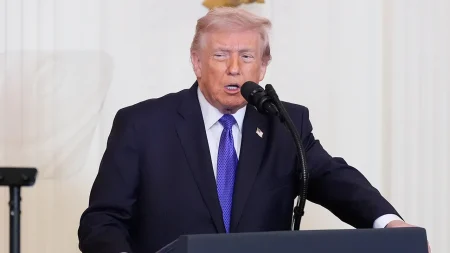
The egg price crisis has multiple contributing factors, with avian flu outbreaks being particularly significant. When this virus is detected in a hatchery, standard protocol typically requires culling the entire flock to prevent further spread, creating sudden gaps in the supply chain that drive prices upward. Earlier this year, the Trump administration implemented a $1 billion plan to strengthen the egg supply chain against avian flu impacts, focusing on biosecurity measures, relief for affected farmers, vaccine research advancement, and increasing import volumes. These measures, combined with natural market corrections, have helped bring prices down from their peak, with the USDA’s December egg markets overview showing significant price decreases in most regions—large white eggs dropped approximately 17% to an average of $1.91 per dozen.
Beyond the immediate concerns of avian flu, the egg industry has faced additional scrutiny this year, including multiple lawsuits against producers for alleged price-fixing behaviors. The Trump administration also took legal action against California, claiming the state’s regulations violated federal law and artificially inflated egg prices through excessive regulatory requirements. These legal challenges highlight the complex interplay between regulation, market forces, and consumer prices in essential food categories like eggs, which serve as both a dietary staple and an economic indicator for many American households.
Senator Cotton’s proposed legislation represents a targeted approach to food policy that aims to address consumer costs through supply chain efficiency rather than direct market intervention or price controls. By identifying specific regulatory barriers that limit supply and create waste, the bill offers a potential path to more affordable eggs without compromising safety standards. While the full impact of such changes would depend on implementation details and market conditions, the proposal illustrates how regulatory reform could be leveraged to address everyday affordability concerns that affect millions of Americans across the political spectrum. As the bill moves forward in the legislative process, it may provide valuable insights into balancing regulatory oversight with practical market solutions in our food supply systems.