






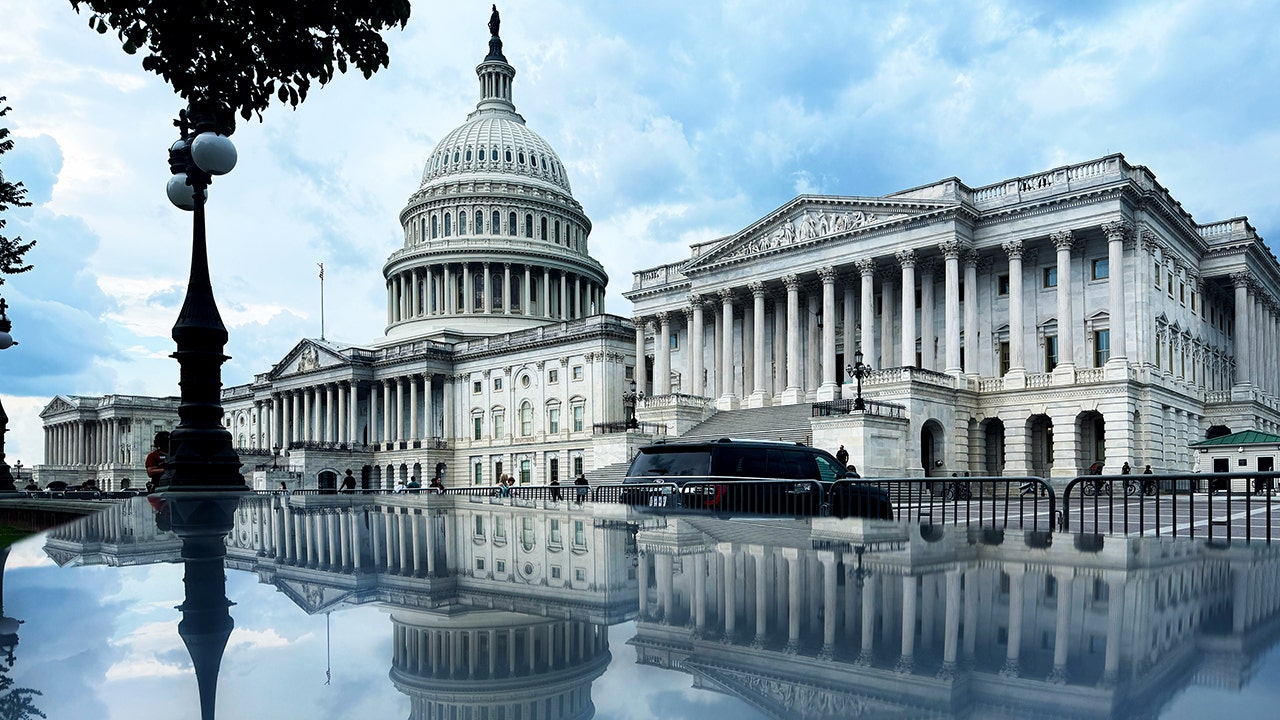
Congress Unveils $900 Billion Defense Bill with Focus on China Competition and Military Modernization
In a significant legislative move, Congress has released a comprehensive $900 billion defense bill that dramatically reshapes America’s approach to competition with China while boosting military readiness across multiple domains. The National Defense Authorization Act (NDAA) exceeds the White House’s budget request by $8 billion and delivers a 4% pay raise for service members, reflecting bipartisan recognition of growing global security challenges. At its core, the bill represents Washington’s most aggressive legislative attempt yet to counter Beijing’s rising influence through new investment restrictions, supply chain protections, and expanded diplomatic monitoring of Chinese global activities. This sweeping legislation arrives against the backdrop of intensifying U.S.-China tensions and growing concerns about America’s military readiness for potential future conflicts.
The bill’s China provisions create a far-reaching framework designed to prevent American capital and technology from fueling Beijing’s military modernization efforts. Lawmakers have established a new outbound investment screening system requiring U.S. companies to alert the Treasury Department when backing certain high-risk technologies in China or other “countries of concern,” with authorities to block deals outright if necessary. On the procurement side, the Pentagon faces new restrictions barring Chinese-made technologies from military supply chains, including advanced batteries, computer displays, photovoltaic components, and critical minerals from “foreign entities of concern.” Perhaps most notably, Chinese biotechnology providers linked to the People’s Liberation Army or China’s security services will be prohibited from Pentagon contracts, addressing growing concerns about genetic data collection. These economic guardrails are complemented by diplomatic measures directing the State Department to deploy Regional China Officers at U.S. diplomatic posts worldwide, creating a global network to monitor Chinese commercial and infrastructure activities, including the Belt and Road Initiative.
Beyond the China focus, the legislation significantly reforms how the Pentagon acquires and maintains weapons systems, addressing long-standing bottlenecks in the defense industrial base. New investment tools, expanded multi-year procurement for high-demand munitions, and streamlined acquisition processes aim to accelerate the fielding of commercial and emerging technologies. In a win for military readiness, “right-to-repair” requirements will force contractors to provide technical data the Pentagon needs to maintain major weapons systems, potentially reducing vendor lock-in and addressing chronic maintenance delays. The bill also creates a new “Artificial Intelligence Futures Steering Committee” charged with producing long-range forecasts and policy recommendations for advanced AI systems, including artificial general intelligence, signaling congressional interest in preparing for the next generation of military technology. These reforms collectively represent Congress’s attempt to address criticisms that the Pentagon’s acquisition system is too slow and bureaucratic for modern warfare.
A surprising political drama surrounding the bill involved debates over FBI disclosure requirements and privacy provisions. In what Republican Rep. Elise Stefanik claimed as a victory following conversations with Speaker Mike Johnson and former President Trump, the legislation will mandate FBI disclosure when the bureau investigates presidential candidates and other candidates for federal office. This provision represented a win for conservative privacy hawks like House Judiciary Committee Chairman Jim Jordan. However, other controversial items didn’t make the final cut, including coverage of in vitro fertilization (IVF) for military families, provisions preempting states from regulating AI, and a ban on a U.S. central bank digital currency. Republicans had pushed the CBDC prohibition as a privacy measure, arguing a government-issued digital dollar could enable federal monitoring of individual transactions. House aides indicated the anti-CBDC language became entangled with a separate housing policy package, and the compromises required to keep both items proved unacceptable.
The legislation significantly impacts U.S. military positioning in the Indo-Pacific region, extending the Pacific Deterrence Initiative and expanding cooperation with regional allies, including Taiwan and the Philippines. It authorizes funding for Taiwan’s security cooperation program and directs biennial reports comparing China’s global diplomatic presence to America’s. The bill also maintains support for Israel, authorizing funding for joint missile defense programs like Iron Dome, David’s Sling, and Arrow, while directing the Pentagon to avoid participating in international defense exhibitions that exclude Israeli involvement. On Ukraine, the legislation reauthorizes the Ukraine Security Assistance Initiative at $400 million annually for fiscal years 2026 and 2027, with new requirements for more frequent reporting on allied contributions to track European support for Kyiv. These provisions collectively reflect Congress’s commitment to strengthening partnerships in regions facing growing security challenges from adversaries.
In a move addressing longstanding debates over war powers, the bill repeals two dormant military authorizations while preserving counterterrorism authorities. Lawmakers included repeals of both the 1991 Gulf War Authorization for Use of Military Force (AUMF) and the 2002 Iraq War AUMF, neither of which is considered operationally necessary by current military leaders. The 1991 authorization approved the U.S.-led effort to expel Iraqi forces from Kuwait, while the 2002 authority permitted the invasion of Iraq under President George W. Bush. Both parties have argued these authorizations no longer reflect current U.S. missions in the Middle East, and presidents from both parties have maintained that modern operations don’t rely on either statute. Importantly, the legislation leaves untouched the 2001 Authorization for Use of Military Force, which remains the central legal basis for U.S. counter-terror operations against al-Qaeda, ISIS, and associated groups worldwide. After passing through the House Rules Committee, the bill will proceed to votes in both chambers before reaching President Trump’s desk for signature, potentially marking a significant bipartisan achievement in an otherwise polarized Congress.