






Congress Races Against Time to Address Healthcare Premiums Before Deadline
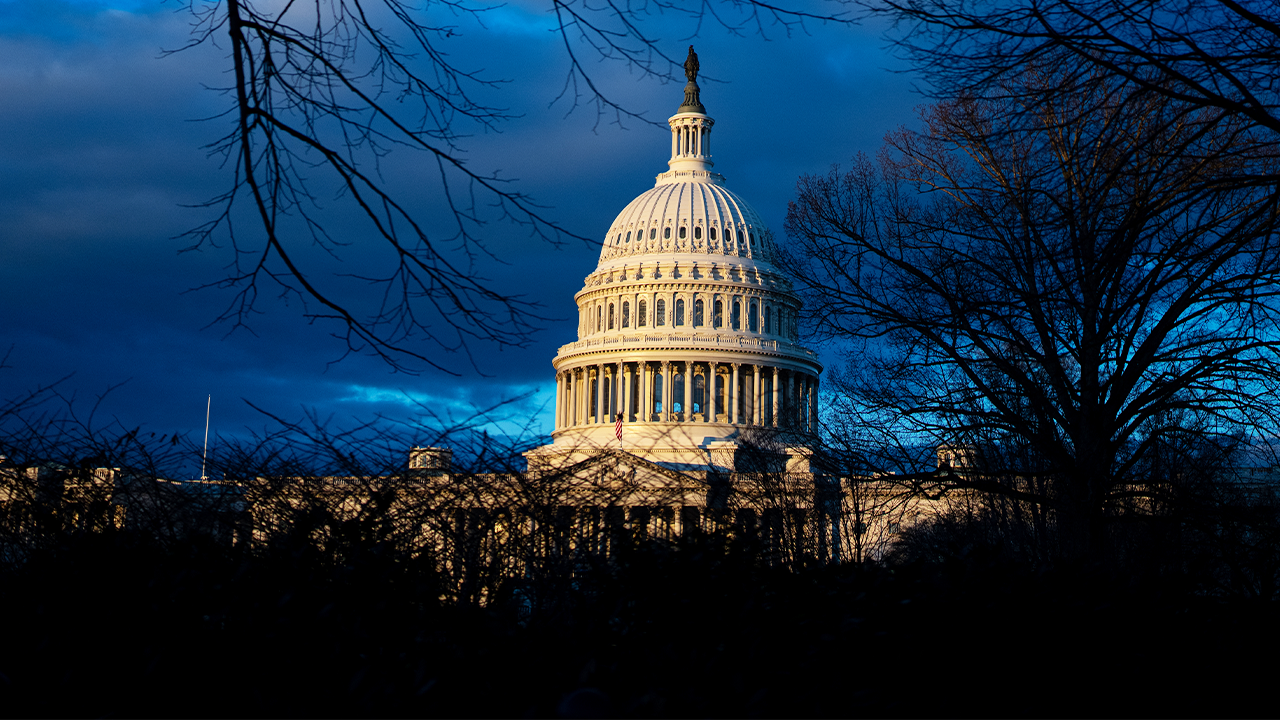
As Congress reconvenes following the Thanksgiving break, lawmakers face a critical challenge with dwindling days on the calendar to address rising healthcare premiums. Insurance companies need action by January 15, but with only nine scheduled meeting days remaining for both chambers in 2025, the pressure to develop a viable solution grows more intense by the day. The looming deadline threatens to leave millions of Americans facing significant healthcare cost increases if Congress fails to act.
House Republicans plan to unveil their healthcare proposal soon, but building sufficient support presents a formidable challenge. Without bipartisan cooperation and strong endorsement from President Trump, any healthcare package faces substantial obstacles. This reality is particularly concerning given that Republicans have discussed alternatives to the Affordable Care Act since 2009 without successfully passing comprehensive legislation. The tight timeframe of just 26 days makes the prospect of passing meaningful reform even more doubtful, leaving many to question whether effective action is possible before premiums spike.
The Senate is expected to consider competing healthcare plans next week, with Democrats having proposed a three-year extension of current Obamacare subsidies. However, this solution requires 60 votes to pass—a threshold unlikely to be met in the divided chamber. Similarly, the Republican alternative remains unclear, with details yet to be fully articulated. Political observers note that this initial failure of both plans might be necessary to prompt serious bipartisan negotiations. As one Senate insider put it, “Often in the Senate, something must first fail until the sides get serious about a compromise and begin to hustle.”
The legislative calendar takes on heightened significance as deadlines approach. While the House officially planned to meet December 15-19 and the Senate December 15-18, additional meeting days may be necessary. The House recently added December 19 to its schedule—potentially signaling preparation for weekend sessions on December 20-21 and beyond. With Christmas falling on a Thursday, lawmakers theoretically have extra days available before the holiday to address these pressing issues. This timeline echoes the original Affordable Care Act passage, which the Senate approved just before dawn on Christmas Eve 2009 after extended deliberations.
Complicating matters further, funding for government operations expires at 11:59:59 p.m. Eastern Time on January 30, with nine of twelve annual spending bills for Fiscal Year 2026 still unfinished. While the House expects to tackle several bills before year’s end, failure to address healthcare concerns before January could dramatically increase the likelihood of another government shutdown. The interconnected nature of these issues creates a legislative logjam that threatens both healthcare affordability and government functionality if left unresolved.
The coming weeks will prove decisive for millions of Americans worried about their healthcare costs. As lawmakers negotiate potential solutions, the clock continues ticking toward both the insurance company deadline and the end of government funding. Whether Congress can overcome partisan divisions to deliver meaningful healthcare reform remains uncertain. What is clear, however, is that the days between now and mid-January will involve intense negotiations, possible weekend sessions, and perhaps even holiday-period lawmaking as Congress attempts to prevent Americans from facing dramatically higher healthcare premiums in the new year.