






U.S. Military Commander to Defend Caribbean Drug Vessel Strike Decision
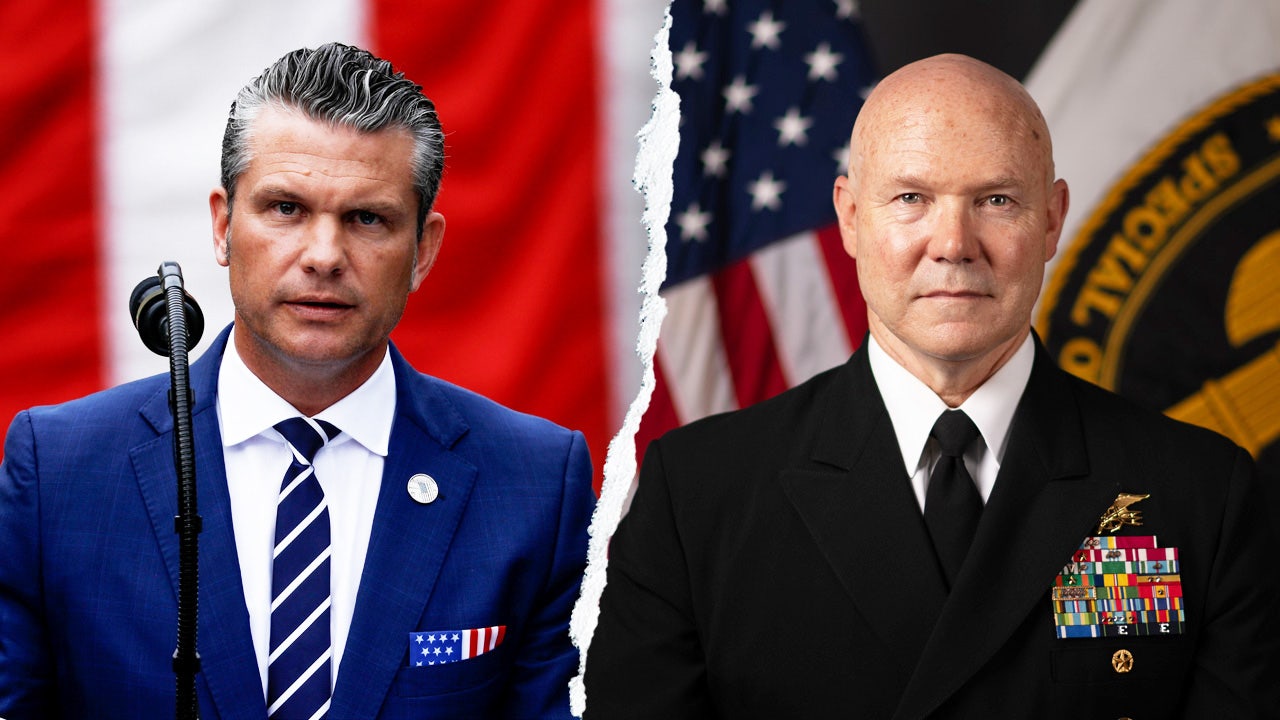
In a significant development regarding the controversial September 2 military operation in the Caribbean, Admiral Frank “Mitch” Bradley is preparing to present his account to Congress about why he ordered a second strike that killed two survivors of an initial attack on a suspected drug vessel. According to reporting from The Wall Street Journal, Admiral Bradley will explain during a closed-door briefing that he believed the survivors were attempting to continue their drug smuggling operation, making them legitimate targets under military rules of engagement. This justification comes amid scrutiny from legal experts who have questioned whether the follow-up strike potentially constituted a war crime. The admiral’s testimony is expected to emphasize that his decision was made after consultation with a legal adviser and was based on intelligence suggesting the survivors were communicating with others in their network while “enemy” boats were nearby.
The September 2 operation marks a significant shift in U.S. counter-narcotics strategy, being the Trump administration’s first use of military force against a suspected drug vessel in the Caribbean. What makes this case particularly notable is that it appears to be the only known instance where survivors were deliberately targeted in a secondary strike. This stands in contrast to a mid-October operation against a submersible, where Coast Guard personnel rescued survivors who were deemed no longer capable of fighting. These differing outcomes highlight the complex decision-making process military commanders face when determining threat levels and appropriate response measures in counter-narcotics operations, especially when potential combatants remain in the field after initial engagements.
The White House has provided clarification on the chain of command involved in this operation, stating that while Secretary of War Pete Hegseth authorized the second strike, it was Admiral Bradley who ultimately ordered and directed it in his capacity as commander of Joint Special Operations Command. This distinction is important as questions about responsibility and authorization continue to surround the incident. Secretary Hegseth has publicly expressed his unwavering support for Bradley, describing him as “an American hero” and “a true professional” whose combat decisions he fully supports. During a Cabinet meeting on Tuesday, Hegseth further defended the admiral’s actions, stating explicitly that “Adm. Bradley made the correct decision to ultimately sink the boat and eliminate the threat.”
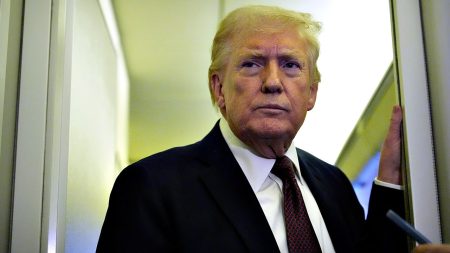
The controversy surrounding this operation has intensified in recent weeks, with former President Trump advocating for the release of footage from the second strike to provide greater transparency about what occurred. This call for transparency comes as military and civilian leadership face increasing questions about the proportionality of force used and the necessity of the follow-up attack. The incident raises fundamental questions about the rules of engagement in counter-narcotics operations and the extent to which suspected drug smugglers can be treated as combatants under international law. These questions are particularly relevant as the United States continues to expand its military approach to combating drug trafficking in the Western Hemisphere.
Military experts and legal scholars have been divided on the legality of targeting survivors who may no longer pose an immediate threat. Those defending the operation point to intelligence suggesting ongoing communications between the survivors and other vessels, potentially indicating continued participation in illegal activities and representing a persistent threat. Critics, however, question whether non-state actors involved in drug trafficking can be legitimately targeted with lethal force under the same rules that apply to armed combatants in traditional warfare scenarios. This debate reflects broader tensions in contemporary military operations that blur the lines between law enforcement, counter-terrorism, and conventional warfare doctrines.
As Admiral Bradley prepares to present his account to lawmakers, the incident continues to highlight the complex intersection of military strategy, legal frameworks, and ethical considerations in modern asymmetric conflicts. The outcome of these closed-door briefings could have significant implications for future U.S. military counter-narcotics operations and may lead to clearer guidelines about when lethal force can be employed against suspected drug traffickers. Regardless of the conclusions reached, this case represents an important moment in the evolution of U.S. security policy, demonstrating how traditional concepts of warfare continue to be challenged by non-traditional threats and the increasingly blurred boundaries between criminal activity and national security concerns in today’s global security environment.