




Supreme Court Debates Campaign Finance Limits in High-Stakes Political Spending Case
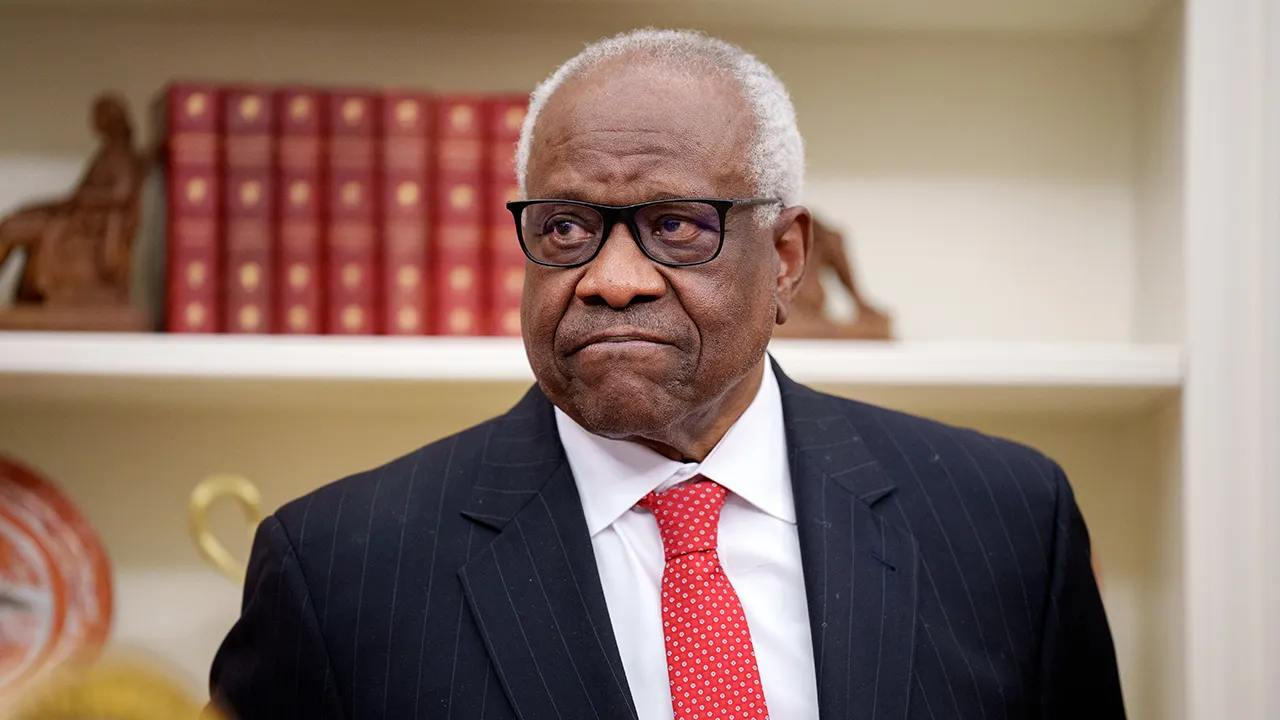
In a pivotal Supreme Court hearing this week, Justice Clarence Thomas engaged in a pointed exchange with prominent liberal attorney Marc Elias over the constitutionality of campaign finance restrictions. At the heart of the case lies a critical provision of the Federal Election Campaign Act that limits how much money state and national political parties can spend when coordinating with specific candidates. The Republican plaintiffs, including the National Republican Senatorial Committee, the National Republican Congressional Committee, and two former Ohio Republican candidates (now-Vice President JD Vance and former Representative Steve Chabot), argue these limits infringe on protected political speech. The outcome could fundamentally reshape campaign financing ahead of the 2026 midterms by potentially allowing wealthy donors to funnel unlimited funds through political parties to specific candidates.
Justice Thomas appeared skeptical of the existing restrictions, pressing Elias on the First Amendment implications of coordinated political spending. “Just so I’m clear, is there any First Amendment interest in coordinated expenditures?” Thomas asked. While Elias acknowledged such spending constitutes speech, he characterized a party paying individual campaign expenses as “symbolic speech” that falls under contribution limits established by Congress. This distinction failed to satisfy Thomas, who continued probing: “If the party coordinates with the candidate and pays the bill, does that have a First Amendment protection or is it simply, as you say, a bill-paying exercise?” The exchange highlighted the fundamental tension in the case – balancing free speech protections with legitimate government interests in preventing corruption or undue influence in elections.
Justice Brett Kavanaugh expressed concern that current campaign finance laws have created an uneven playing field that disadvantages political parties compared to outside groups. “I am concerned that a combination of campaign finance laws and this court’s decisions over the years have together reduced the power of political parties, as compared with outside groups, with negative effects on our constitutional democracy,” Kavanaugh remarked. He pinpointed what he sees as the source of the disadvantage: “You can give huge money to the outside group, but you can’t give huge money to the party, so the parties are very much weakened.” This perspective suggests that some conservative justices may view the current restrictions as not just limiting speech but potentially undermining the traditional role of political parties in the democratic process.
The liberal wing of the Court, however, expressed clear reservations about further dismantling campaign finance regulations. Justice Sonia Sotomayor warned against judicial intervention in Congress’s campaign finance framework, stating, “Every time we interfere with the congressional design, we make matters worse… our tinkering causes more harm than good.” Her concern reflects a broader worry among campaign finance reform advocates that removing coordinated expenditure limits would eliminate the last meaningful restrictions on political spending. “Once we take off these coordinated expenditure limits, then what’s left? What’s left is nothing. No control whatsoever,” she cautioned, highlighting the potential consequences of a ruling favoring the Republican plaintiffs.
The case unfolds against the backdrop of a Court that has consistently moved toward deregulating campaign finance under Chief Justice John Roberts’ leadership. Previous decisions like Citizens United v. FEC have already removed restrictions on independent expenditures by corporations and unions, dramatically changing how campaigns are funded. The current case represents yet another potential landmark in this ongoing transformation of American campaign finance law. A decision allowing wealthy donors to make unlimited contributions to political parties, with the understanding that funds would be redirected to specific candidates, could significantly alter power dynamics in campaign financing and potentially concentrate more influence in the hands of the wealthiest donors.
As the justices deliberate, the implications extend far beyond legal technicalities into fundamental questions about American democracy. The Court must balance competing principles: free speech protections that encompass political expression and spending, versus legitimate governmental interests in preventing corruption and ensuring elections reflect the will of ordinary citizens rather than the outsized influence of the wealthy. Whatever the outcome, the decision will likely have profound effects on how future campaigns are financed and conducted, potentially reshaping the political landscape for years to come. With the 2026 midterm elections on the horizon, political operatives on both sides are watching closely, knowing that the rules of engagement for political fundraising and spending hang in the balance.