





U.S. Reaches Agreement with Dominica on Asylum Seeker Transfers
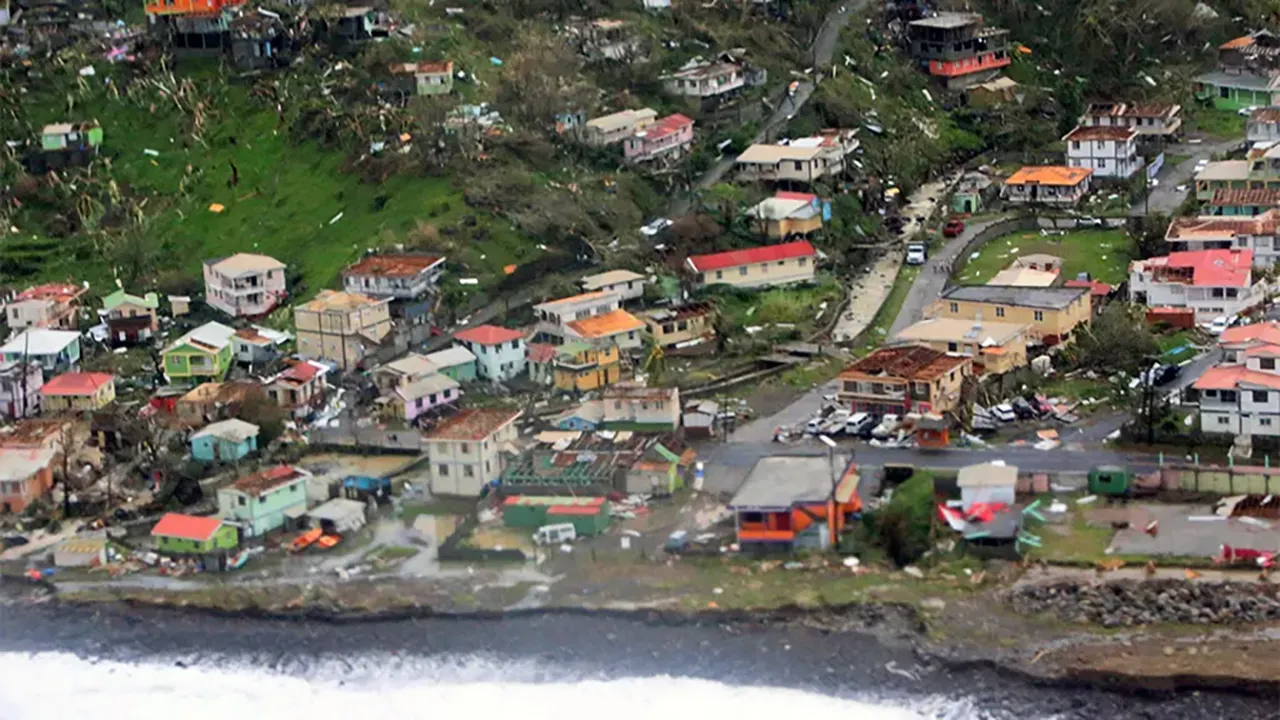
In a significant development for international immigration policy, the United States has established an agreement with the Caribbean nation of Dominica that could result in some asylum seekers arriving at U.S. borders being transferred to the island nation. This arrangement emerges amid a complex diplomatic backdrop involving recent U.S. visa restrictions on Dominican nationals. Prime Minister Roosevelt Skerrit has characterized this agreement as “one of the primary areas of collaboration” between the two governments, signaling its importance in bilateral relations. While confirming ongoing discussions with U.S. officials following the partial visa limitations announced in December, Skerrit has been notably reserved about specific details regarding the number of asylum seekers Dominica might accept or when such transfers could begin, leaving many practical questions unanswered.
The Prime Minister has emphasized that these negotiations have included “careful deliberations” to ensure that Dominica would not receive “violent individuals or individuals who will compromise the security” of the nation—a priority that reflects broader concerns about maintaining public safety while implementing such an agreement. Meanwhile, the Dominican government continues actively working to address the U.S. travel restrictions imposed on its citizens, engaging with both the U.S. Embassy in Bridgetown and the State Department in Washington in efforts to reverse the decision announced by the White House, which would fully take effect in January 2026. In what appears to be a balancing act of diplomatic interests, Dominican authorities have also clarified that their nationals who currently hold valid U.S. visas—including tourist, business, and student categories—can continue traveling to the United States and its territories without disruption, suggesting an effort to maintain normal relations while negotiations continue.
This agreement with Dominica appears to follow a pattern in U.S. immigration policy that has seen similar arrangements with countries like Belize and Paraguay, representing a broader strategy to distribute responsibility for asylum seekers across multiple nations. The approach reflects continuity with policies from President Donald Trump’s administration that emphasized international burden-sharing for migration management. Such arrangements typically involve complex negotiations around financial support, logistical coordination, and long-term settlement plans, though the specific details of the Dominica agreement have not been made public. The development comes at a time when many countries are reconsidering their approaches to migration amid increasing global displacement and political pressures to manage border security.
The lack of transparency surrounding the agreement has prompted criticism from Dominica’s political opposition. Thomson Fontaine, leader of the main opposition party, has publicly stated that “the prime minister still has not told the Dominican public what exactly he has agreed to,” highlighting specific concerns about the numbers of asylum seekers who might arrive, their housing arrangements, and how their needs will be addressed. These questions take on particular significance given Dominica’s relatively small population of approximately 72,000 residents. The demographic reality raises legitimate questions about the island nation’s capacity to absorb and integrate a potentially significant number of newcomers, especially considering the infrastructure and social service demands that could result from such an influx.
The concerns expressed by opposition leaders reflect broader questions that often surround international migration agreements: How will receiving countries balance humanitarian obligations with practical resource limitations? What support mechanisms will be put in place to ensure successful integration? And what financial or development assistance might donor countries provide to offset the costs of accepting asylum seekers? For a small island nation like Dominica, these questions are particularly acute, as even a modest number of newcomers could have significant impacts on local communities, housing markets, employment opportunities, and public services. The agreement thus represents not just a diplomatic arrangement but a potential social transformation that warrants careful consideration of its implications for both asylum seekers and host communities.
As discussions between the United States and Dominica continue, officials from both nations have maintained a notable silence regarding the implementation timeline or operational details of the asylum transfer program. This information vacuum has created space for speculation and concern among citizens, advocacy groups, and political stakeholders. The ultimate success of such an arrangement will likely depend on numerous factors: adequate financial support from the United States, appropriate processing and screening mechanisms, integration support for transferred asylum seekers, and community engagement to build local acceptance. While the agreement signals a potentially significant shift in how the two nations approach migration management, its practical implications remain to be seen as implementation details are finalized and operational plans take shape. Both countries now face the challenge of transforming diplomatic agreements into humane and effective policies that respect the rights and dignity of asylum seekers while addressing the legitimate concerns of receiving communities.