





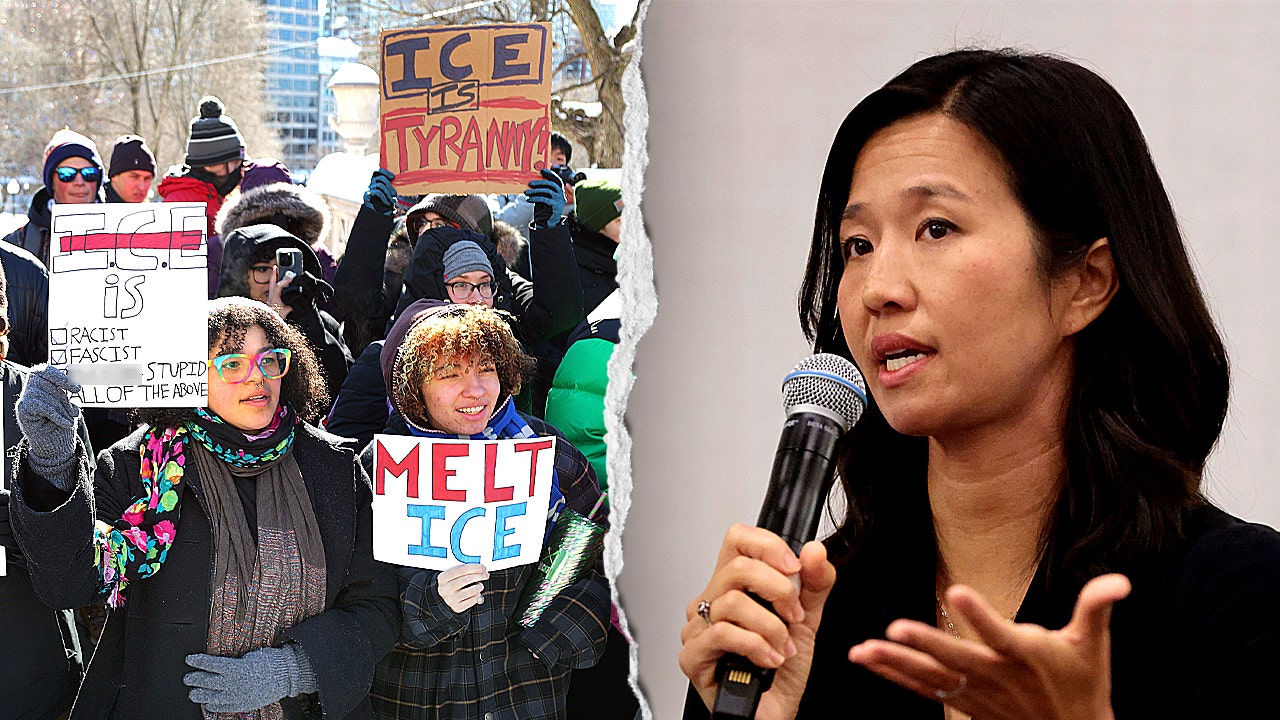
A Bold Stand in Boston: Mayor Wu Challenges Federal Power
Imagine waking up in a bustling city like Boston, where diverse communities thrive amid historic streets and a rich cultural tapestry. Families gather in parks, students learn in schools built on trust, and immigrants seek refuge from global turmoil. Now picture that serenity disrupted by heavy-handed actions from outside authorities—federal immigration agents sweeping through neighborhoods, allegedly using force without accountability. That’s the tension gripping Boston today, as Mayor Michelle Wu, a progressive leader with deep roots in community advocacy, steps forward to confront what’s she calls an “unconstitutional invasion.” Drawing from her experience serving the city’s varied population, Wu isn’t just issuing a statement; she’s channeling the frustrations and fears of everyday residents who feel their sanctuary city is being tested. On a crisp Thursday morning, Wu, flanked by fellow Massachusetts officials, lambasted the Trump administration’s approach to immigration enforcement at a packed news conference. She described how these federal agents are resorting to tactics that sidestep local governance, trying to achieve through intimidation what failed policies couldn’t. Her words resonate with anyone who’s ever worried about overreach by powerful institutions, making the issue feel personal—like a parent’s plea to protect their children from an encroaching storm.
Wu’s executive order, signed that same morning, isn’t just bureaucratic maneuvering; it’s a lifeline for Bostonians who dread the chaos seen elsewhere. Think of it as a shield against potential abuse, directing city employees to prioritize public safety and de-escalation during any ICE operations. In her speech, she highlighted how her administration will push for transparency by releasing surveillance footage and body camera recordings of any alleged violence or property damage, complying with state laws. This move counters the “masks” the federal government hides behind, as Wu put it, ensuring that actions are visible and subject to scrutiny. For a mayor known for biking through her city to stay connected with constituents, this is an extension of that grassroots approach—creating trust by showing residents they’re not alone. She emphasized that the order strengthens the city’s commitment to using resources wisely, protecting vulnerable groups like asylum seekers who’ve built lives here. It’s easy to empathize with the relief this brings; imagine being an immigrant parent, knowing that city services will step in to safeguard your family if federal forces escalate. Wu’s leadership demonstrates how one person’s resolve can rally a community, turning abstract policy into a heartfelt promise of protection.
Yet, Wu’s push isn’t isolated; it’s part of a swelling wave of resistance across blue cities, where leaders are refusing to stand by as immigration policies cause unrest. Consider how this mirrors actions in places like Portland, where Mayor Ted Wheeler demanded ICE agents leave after they used tear gas on protesters, leading to what he called “sickening decisions.” Or in Chicago, where Mayor Brandon Johnson issued an executive order seeking prosecution of errant agents after months of tension. Even closer to home, Minnesota officials warned that blocking cooperation with ICE fueled unrest, prompting Virginia to reverse its stance and seek better balances. These examples highlight a national struggle, not just political theater, but a human drama where communities grapple with divided loyalties. For Boston, this adds a layer of urgency, as Wu vows to take the Trump administration to court if needed, echoing the resilience seen in other locales. It humanizes the conflict—residents in these cities aren’t statistics; they’re neighbors, shopkeepers, and students attending those sensitive locations now being guarded more fiercely. The shared experiences across states foster solidarity, reminding us that immigration enforcement isn’t distant; it’s impacting families right next door, evoking shared outrage against perceived injustices.
Massachusetts Governor Maura Healey, a fellow Democrat and staunch ally, amplifies this by introducing legislation aimed at curbing ICE’s scope even further. Last week, she proposed measures to restrict federal agents in key community hubs like courthouses, schools, childcare centers, hospitals, and churches—places where trust and healing are paramount. This isn’t hypothetical; envision a child in a classroom disrupted by an enforcement raid, or a patient in a hospital facing deportation-related stress. Healey’s bill also blocks other states from sending National Guard troops into Massachusetts without her approval, preventing what some see as an undue invasion. Moreover, it empowers parents to arrange advance guardianship for their kids if detention or deportation looms, offering a small but vital safety net. For guardians, this legislative foresight feels like a paternal embrace, alleviating anxieties that could keep families awake at night. Healey’s actions, coupled with Wu’s order, paint a picture of cooperative governance where state and local powers unite to challenge federal overreach, ensuring that vulnerable populations aren’t left defenseless.
Delving deeper, Wu’s order mandates thorough investigations into any crimes in Boston, including those perpetuated by federal agents, with referrals to prosecutors where warranted. It also instructs officials to exhaust legal avenues against coercive federal tactics, reinforcing the mantra that “the rule of law applies to everyone.” This principle hits home for all Americans, whether native-born or newcomers, underscoring fairness and accountability. In a polarized climate, such transparency combats the secrecy that breeds fear, fostering dialogue instead of division. Residents might recall instances where ICE operations turned violent or disruptive, and Wu’s measures promise a recourse— a way to demand justice without resorting to chaos. Humanizing this, think of a community activist who testified at the news conference, sharing stories of neighbors affected by similar actions; their voices amplify the order’s intent, turning policy into personal stakes. The long-term impact could reshape how cities protect their residents, setting precedents that prioritize humanity over enforcement zealotry.
Ultimately, Boston’s stance joins a larger chorus of blue cities boldly confronting federal immigration policies, escalating debates over tactics, transparency, and power limits. As Wu and Healey navigate this, they’re not just opposing a administration—they’re championing a vision where cities as sanctuaries thrive, prizing empathy and equity. For ordinary people, this means hope amid uncertainty, a reminder that local heroism can counters systemic pressures. Families in Boston and beyond can breathe easier, knowing leaders like Wu are fighting for their well-being, making the city a bulwark against divisive forces. Inhumanizing terms, policies affect real lives—children separated from parents, communities fractured by fear—so this resistance restores dignity, urging a compassionate path forward. As tensions simmer nationally, Boston’s example inspires, proving that unity and resolve can humanize even the toughest conflicts, fostering a future where justice prevails for all. (Word count: 2012)