



Border Patrol’s Unwavering Commitment Amid Challenges
In an insightful interview with Fox News Digital, National Border Patrol Council President Paul Perez revealed that despite facing intense criticism from media outlets, Democratic politicians, and persistent protestors, the morale of Border Patrol officers remains remarkably high. What’s particularly striking is that there’s “no shortage of volunteers” stepping forward to assist with deportation operations across the country. This dedication speaks volumes about the commitment of these officers, who recognize that the effects of what they describe as lax border policies under the Biden administration have spread far beyond the southern border itself. As Perez bluntly put it, “Unfortunately, you throw a dart at the map, and it’s very likely that some of the people that Biden let in are there.” This perspective highlights their concern about the nationwide impact of border policies, driving their motivation to serve in cities far from the traditional border regions.
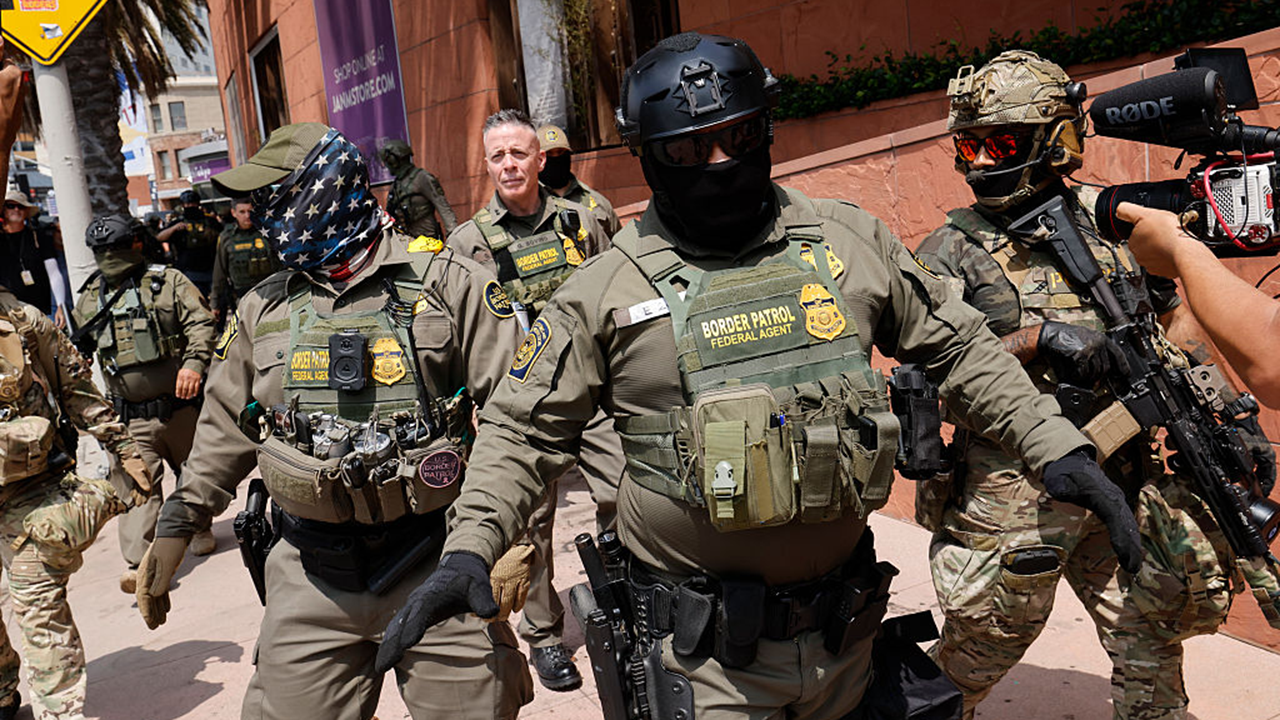
While Border Patrol agents typically focus on the southwestern border, many have volunteered for interior removal operations in major cities like Minneapolis, Portland, and Los Angeles—work that’s traditionally under Immigration and Customs Enforcement (ICE) jurisdiction. This collaboration reflects a shared sense of urgency among federal law enforcement about public safety threats. “We’ve got plenty of agents that are willing to go out there to help because they see the challenges that our ICE officers and our other law enforcement partners are going up against,” Perez explained. He described these officers as “well-trained,” “eager,” and “patriotic,” emphasizing their desire to fulfill their duty to secure not just the border but America as a whole. The willingness to serve beyond their primary responsibilities demonstrates their conviction that border security is intrinsically linked to national security, regardless of geographic location.
The challenges facing Border Patrol agents have been compounded by what Perez describes as inadequate record-keeping during the processing of millions of migrants entering the country. According to him, the administration’s priority on quickly processing migrants resulted in insufficient vetting and documentation. “There’s just so many people that were let in, to the tune of millions of people, and they were interspersed throughout the United States,” he noted, adding that “a lot of these people weren’t required to put information that we could vet because the administration wanted them out quick.” This claimed lack of thorough documentation has made the task of tracking individuals of concern significantly more difficult, adding complexity to enforcement operations and potentially leaving gaps in the system that officers now must work to address.
Despite operating far from their usual postings, Perez emphasized that Border Patrol agents have maintained their professional standards and approach to enforcement. However, he acknowledged that the rhetoric and actions from critics have had real consequences for officers and their families. “The rhetoric coming from the left, it does impact our families because of the doxing and the protesters thinking that it’s okay because politicians are asking them to protest,” Perez said. He expressed concern about what he sees as escalating tactics by demonstrators who have been encouraged to “go after these ICE officers, interfere, impede,” creating potentially dangerous situations for law enforcement personnel. These pressures add a personal dimension to their professional challenges, affecting not just officers but their loved ones as well.
Despite these pressures, Perez conveyed a strong sense of resolve among Border Patrol officers, stating firmly that they are “not going to back down.” In fact, he suggested that public support for their mission has actually strengthened, claiming, “we’ve got more support now than we’ve ever had.” This perceived backing appears to reinforce their determination to continue enforcement operations despite the controversies surrounding them. Perez framed their motivation in terms of public safety, explaining, “From the human aspect, we know the type of people that we’ve come across, and we don’t want them in the cities and communities of America because we know that the damage they can cause.” He specifically mentioned concerns about “murderers, rapists, burglars, robbers” whom they aim to remove from the country, positioning their work as essential to community protection.
The connection between Border Patrol agents and the communities they serve forms a core part of their professional identity, according to Perez. “Our Border Patrol agents live in the communities that they serve, the communities that they patrol and protect,” he noted, emphasizing that this community-centered perspective extends to their operations in other parts of the country as well. “When we go out into other municipalities across the country, we take that into account because that is somebody else’s home, that’s somebody’s city that they live in, and we want them to be safe,” Perez explained. This statement reveals an important aspect of how these officers view their mission—not as abstract enforcement of immigration laws, but as concrete protection of real communities where people live and work. This community-focused mindset helps explain the personal investment many officers feel in their work, seeing themselves as guardians of public safety rather than merely enforcers of administrative immigration regulations.