



Border Patrol Operations in Chicago Spark Protests and Political Tensions
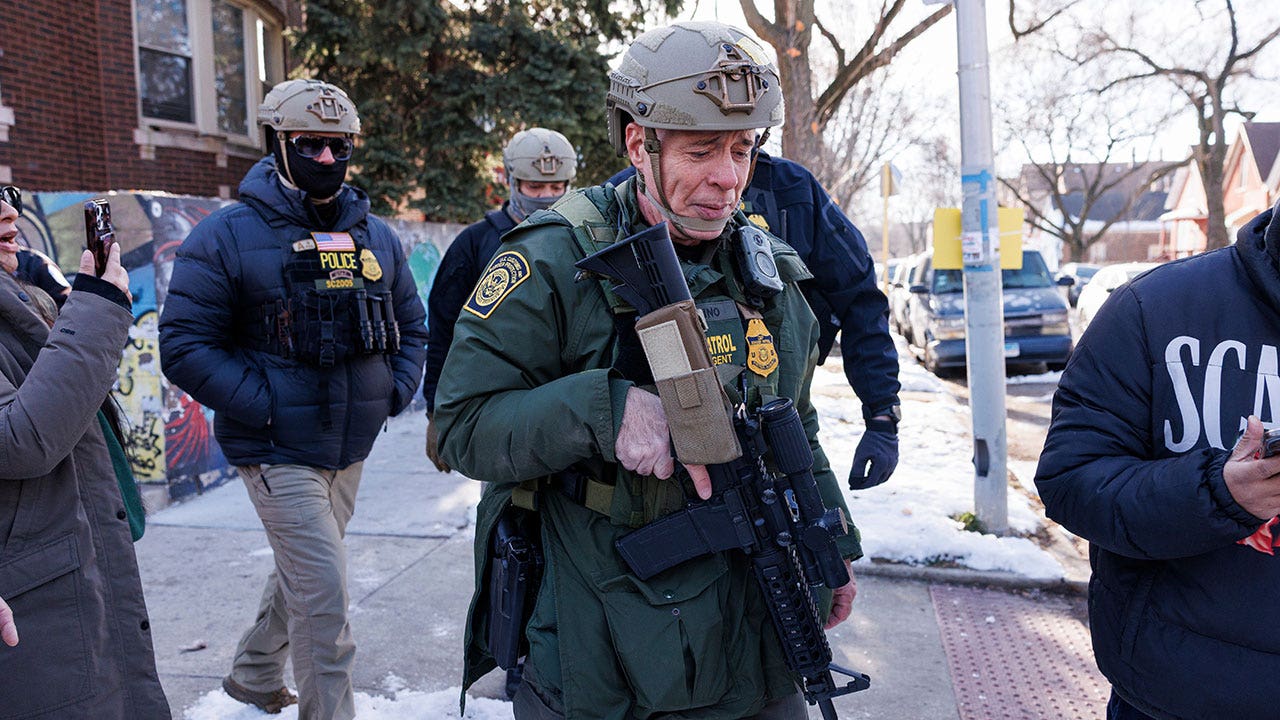
In a significant escalation of immigration enforcement efforts, Border Patrol Chief Gregory Bovino returned to Chicago on Tuesday, triggering protests and confrontations between federal agents and local residents. Bovino’s appearance marks a visible intensification of “Operation Midway Blitz,” an enforcement initiative launched in September 2023. The operation, named in honor of Katie Abraham, who was killed in a hit-and-run allegedly caused by an undocumented Guatemalan immigrant named Julio Cucul-Bol, has created significant tension between federal authorities and local leadership. During Tuesday’s operations in the predominantly Mexican-American neighborhood of Little Village, Border Patrol agents were documented deploying pepper balls and detaining individuals, actions that quickly drew criticism from community members and immigrant advocates.
The Department of Homeland Security has maintained a firm stance on their continued presence in Chicago, with DHS Assistant Secretary Tricia McLaughlin emphasizing, “As we said a month ago, we aren’t leaving Chicago, and operations are ongoing.” This statement comes after Bovino was reassigned a month earlier to enforcement missions in New Orleans and North Carolina, before returning to Chicago. The federal government’s approach has created significant friction with state and local officials, who claim they received no advance notice about the redeployment of Bovino and additional Border Patrol agents to the area. Illinois Governor JB Pritzker expressed his frustration at the lack of communication, telling reporters he had not been notified about the return of Bovino and additional agents, and that he remained uncertain about how long they would remain in the city.
The tension between federal immigration enforcement and local governance has been particularly pronounced in Chicago, where Mayor Brandon Johnson has taken a strong stance against the operations. Johnson stated on social media that the city had “learned that federal agents are once again indiscriminately targeting individuals — without warrants — and intentionally showing up in public spaces to intimidate and instill fear,” including at a Teamster picket line and a community organization in Little Village. The mayor condemned these tactics as “destabilizing” and “wrong,” reflecting the deep divide between local leadership and federal immigration enforcement priorities. This public condemnation highlights the growing conflict between sanctuary policies adopted by many urban centers and the more aggressive immigration enforcement approach being implemented by federal authorities.
The return of Border Patrol operations to Chicago represents more than just routine immigration enforcement; it symbolizes a broader political struggle over immigration policy in America. The operation has been specifically characterized by DHS as targeting “criminal illegal aliens terrorizing Americans in sanctuary Illinois,” language that frames the issue in stark terms. This framing has intensified political divisions, with supporters viewing the operations as necessary for public safety and critics seeing them as disruptive to community trust and harmful to immigrant communities. The situation in Chicago exemplifies how immigration enforcement has become a battleground for competing visions of public safety, community relations, and the proper balance between federal and local authority.
In response to these enforcement actions, Illinois has taken legislative steps to protect immigrant communities. Just a week before Bovino’s return, Governor Pritzker signed a bill creating new safeguards for undocumented immigrants at various locations including courthouses, hospitals, college campuses, and other public buildings. This legislation represents a direct challenge to federal immigration enforcement efforts, establishing what some call a “sanctuary state” policy that limits cooperation with federal immigration authorities. Pritzker expressed pride in Illinois residents for “protecting their neighborhoods and their neighbors,” suggesting that the state is in a “much better position” to resist what local leaders view as overreach by federal immigration authorities.
The ongoing situation in Chicago illuminates the human dimension of immigration policy disputes. Behind the political rhetoric and enforcement operations are real communities experiencing fear and uncertainty. Immigrant advocates argue that aggressive enforcement tactics separate families, damage community-police relations, and deter immigrants from accessing essential services. Conversely, supporters of stricter enforcement point to cases like Katie Abraham’s death as evidence of public safety concerns related to illegal immigration. As these operations continue, the impacts extend beyond legal status to affect the daily lives and psychological well-being of immigrant communities and their allies. The clashes in Little Village and the community response to Border Patrol’s presence reflect the deeply personal nature of what might otherwise be viewed as abstract policy debates, demonstrating how immigration enforcement directly touches the lives of residents in affected communities and shapes the character and cohesion of urban neighborhoods across America.