





Federal Authorities Step Up Presence in Minnesota Amid Growing Unrest
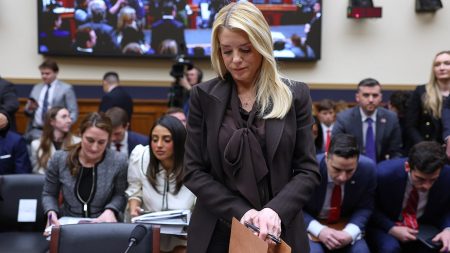
Attorney General Pam Bondi has made it clear that “no one is above the law” as the Department of Justice increases its presence in Minnesota following weeks of escalating tensions. During an exclusive interview with Fox News in Minneapolis, Bondi described the current situation as “chaos” after meeting with federal prosecutors and law enforcement officials. Her visit comes at a critical time, as immigration enforcement disputes and the disruption of a church service have heightened concerns about public safety and the rule of law. The Attorney General’s strong stance signals that accountability will apply to everyone, regardless of position or status, as federal authorities work to restore order in what she described as a state that is “a mess right now.”
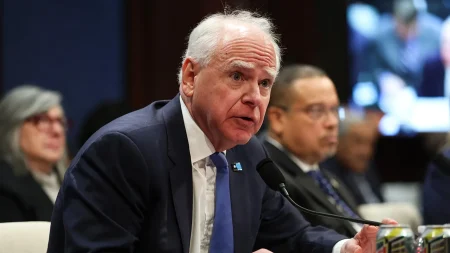
The deteriorating conditions in Minnesota have prompted a coordinated federal response involving multiple agencies. Bondi confirmed meetings with agents from the FBI, DEA, and ATF, as well as U.S. Attorney Rosen, emphasizing their unified approach to addressing the ongoing unrest. “We have a great U.S. attorney, and we are all going to fight together,” she stated, underscoring the importance of her visit to the state. The situation has become so serious that Minnesota officials, including the governor, mayor, and state attorney general, have reportedly received federal subpoenas. While Bondi declined to provide specific details about potential investigations into these offices, the development suggests significant federal scrutiny of state and local leadership during this period of turmoil.
The impact of rhetoric from public officials has become a focal point in the discussion about Minnesota’s challenges. When questioned about whether inflammatory language from state and local leaders has contributed to the unrest, Bondi acknowledged that words have consequences. “Rhetoric causes people to get hurt and injured, and that shouldn’t be happening,” she noted, while reiterating that accountability extends to everyone. This balanced approach reflects the complex interplay between free speech and public safety concerns that authorities must navigate. The Attorney General’s comments suggest federal authorities are considering the role of public messaging in either calming or inflaming tensions, without exempting any officials from responsibility for the outcomes.
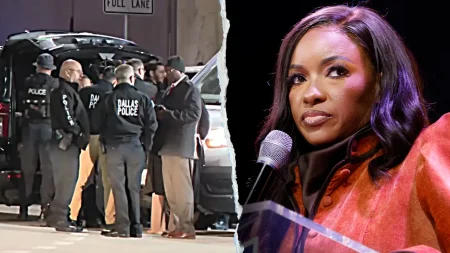
One incident that has particularly drawn federal attention was the disruption of a church service in St. Paul, which Bondi characterized as “horrific.” Pastor Jonathan Parnell reported that agitators interrupted worship, confronted congregation members, and frightened children in what he described as both “shameful” and “unlawful” conduct. Bondi was emphatic in her condemnation: “That should not happen to any Christian, to any religion, to a synagogue, to a mosque, to any place of worship in our country.” She revealed that she had spoken directly with Pastor Parnell and planned to meet with him, indicating the seriousness with which federal authorities view the violation of religious spaces. The pastor himself has stated that his church is evaluating legal options and has called on officials at all levels of government to protect the fundamental right to worship freely.
The federal response to Minnesota’s unrest represents a significant intervention at a time when local authorities appear to be struggling to maintain order. The coordination among multiple federal agencies suggests a comprehensive approach to address both immediate safety concerns and potentially systemic issues. While Bondi refrained from directly confirming investigations into state officials, the issuance of federal subpoenas indicates a thorough examination of the circumstances that have led to the current situation. For Minnesota residents caught in the middle of these tensions, the increased federal presence may represent either a welcome reinforcement of law and order or a troubling escalation, depending on their perspective on the underlying conflicts over immigration enforcement and other divisive issues.
Looking forward, Minnesotans can expect continued federal involvement in their state’s affairs. When asked directly whether federal authorities would maintain their presence, Bondi was unambiguous: “President Trump is committed to making Minnesota safe. So the answer is yes.” This commitment signals that the current federal intervention is not a temporary measure but part of a sustained effort to address the unrest. As tensions between federal and state authorities potentially increase, residents will be watching closely to see whether this approach succeeds in restoring calm or further complicates an already volatile situation. What remains clear is that the Department of Justice has determined that the circumstances in Minnesota warrant direct federal action, setting the stage for a potentially significant period of federal influence in the state’s governance and public safety operations.