





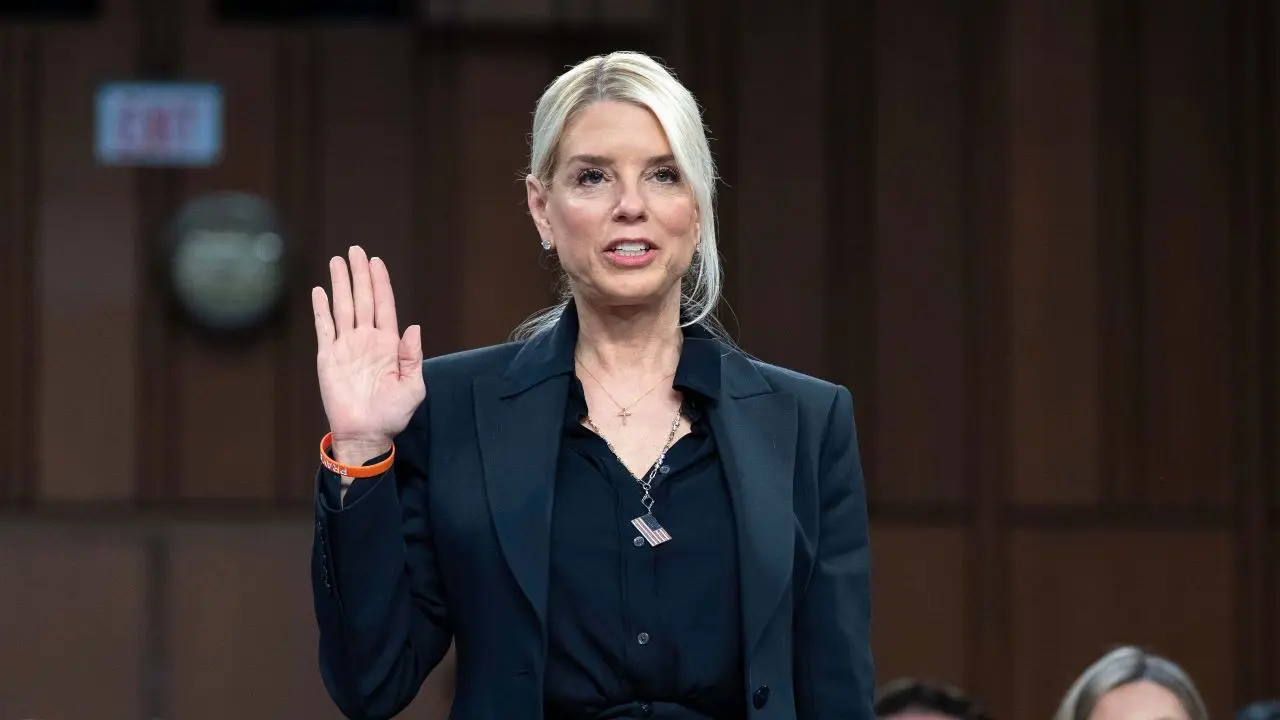
A Day of Reckoning for Attorney General Pam Bondi
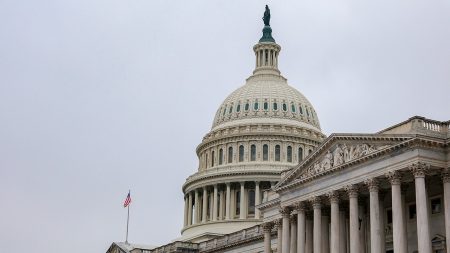
Picture this: Imagine stepping into a high-stakes congressional hearing room, cameras rolling and lawmakers from both sides of the aisle ready to pounce with questions that could define your career. That’s exactly what Attorney General Pam Bondi is bracing for as she prepares to testify before the House Judiciary Committee this Wednesday at 10 a.m. Bondi’s only been at the helm of the Department of Justice for a short while, and this is her debut appearance before this powerful panel. It’s not just another bureaucratic chat; insiders whisper that Republicans might lavish praise on her for steering the DOJ back to what they see as the real roots of justice—tackling street crime, drug trafficking, and the flood of illegal immigration. But Democrats and some Republicans are gearing up to push her hard on hot-button issues, especially the DOJ’s tangled handling of files related to Jeffrey Epstein’s notorious sex trafficking scandal. It’s the kind of moment that makes you feel the pulse of American politics, where policy clashes with personal accountability, and every word could sway public opinion or spark controversy.
Unpacking the Epstein Files Fiasco
Diving deeper, the Epstein saga looms large, and it’s not just about a wealthy predator anymore—it’s a battle over transparency and trust in government. Lawmakers are expected to grill Bondi on the DOJ’s compliance with the Epstein Files Transparency Act, a law designed to shine a light on all unclassified documents from Epstein’s case. But here’s the rub: there was a deadline that lapsed, highlighting the monumental task of sifting through mountains of files in just 30 days. Imagine the chaos of investigators hunched over boxes of evidence, rushing to review troves of paperwork that could reveal powerful connections or dark secrets. Republicans on the committee might pivot to commend Bondi’s team for ramping up efforts against the opioid epidemic, transnational drug rings, violent crime, and border issues—priorities that the Trump administration has hammered home as non-negotiable. It’s a classic tug-of-war: one side sees progress in restoring order, while the other smells a cover-up or delay in accountability. This hearing isn’t just policy; it’s a human drama, where survivors and whistleblowers might feel like the stakes have never been higher for justice to prevail.
Shifting Gears to Real-World Threats
As Bondi settles into the witness seat, expect a conversation that feels grounded in the everyday struggles of Americans grappling with crime and chaos. Republicans are poised to highlight her leadership in prioritizing street-level threats—think drug cartels flooding communities with deadly opioids, gangs terrorizing neighborhoods, and a porous border letting in waves of undocumented individuals. Bondi’s tenure has seen a reorientation of the DOJ’s resources toward these “forgotten” crises, aiming to protect ordinary folks from the violence and despair that come with unchecked illegal activities. It’s easy to empathize with the families affected: a parent losing a child to fentanyl, a homeowner fearing home invasions, or workers undercut by illegal labor. This pivot reflects a broader Trump-era vision, where the focus isn’t on elite scandals but on rebuilding safety and sovereignty. Democrats, however, might push back, arguing that this tunnel vision ignores systemic issues like inequality or overreach in policing. It’s a debate that humanizes the abstract world of law enforcement, reminding us that behind every policy is a community hoping for protection and solutions that actually work.
The Maduro Saga: A High-Octane Arrest
One of the flashiest moments under Bondi’s watch could steal the spotlight—a tale that’s straight out of a thriller movie. In a major drug-related case, the DOJ slapped a superseding indictment on Venezuelan President Nicolás Maduro and his wife, charging them with narco-terrorism conspiracy and illegal firearms possession. Then came the jaw-dropping twist: Maduro’s capture in July, whisked off to the Southern District of New York, where the pair now await trial behind bars. Bondi might be quizzed on how this blockbuster move fits into her anti-drug crusade, showcasing the department’s global reach against figures insulated by power. For everyday folks, it’s a story that resonates like a vindication—imagine the relief of knowing corrupt leaders abroad are being held accountable, potentially stemming the tide of drugs entering the U.S. Yet, critics could argue it’s more optics than substance, distracting from domestic woes. This case humanizes the DOJ’s mission: it’s not just about busting dealers on street corners, but dismantling networks that poison lives from afar, bringing a sense of righteous payback to those harmed by the drug trade.
Turmoil in the Heartland: Minnesota’s Legal Meltdown
Shifting gears to the heart of America, Bondi’s hearing could shine a light on upheaval in the U.S. attorney’s office in Minnesota, a saga that’s become a symbol of internal dissent and high immigration enforcement. There’s been a surge in immigration cases, overwhelming federal courts and contributing to an unprecedented exodus of prosecutors—key legal minds quitting in droves after a dispute over handling a DOJ shooting probe. Bondi will likely need to address this fallout, explaining how this reflects broader tensions within her team. For those not steeped in legal jargon, picture dedicated attorneys burning out under the weight of a workload that feels endless, like firefighters battling infernos without enough support. It’s a human issue—prosecutors are people too, families affected by stress and moral dilemmas. Republicans might frame it as necessary toughness on immigration, protecting American jobs and safety, while Democrats could see it as recklessness leading to chaos in the courts. This episode underscores how DOJ decisions ripple outward, impacting not just policies but the livelihoods of those implementing them, making the national debate feel intensely personal.
Judicial Setbacks and Ethical Quandaries
Finally, expect the conversation to veer into recent judicial rebuffs that have embarrassed the administration, painting a picture of a DOJ facing resistance at every turn. Hundreds of adverse rulings have piled up, many from judges appointed by Trump himself, exposing cracks in the department’s strategies. In Minnesota, judges have flagged legal flaws in detaining alleged illegal immigrants, questioning the human rights angle in a way that evokes debates over compassion versus enforcement. Elsewhere, Trump’s picks for U.S. attorney’s offices have been rejected, like the interim leader in Eastern Virginia whose appointment was deemed unlawful. This domino effect led to high-profile indictments against figures like FBI’s James Comey and New York AG Letitia James getting tossed, with the DOJ scrambling for appeals. Bondi could find herself defending against charges of inefficiency or overambition, as judges uphold principles that protect due process. It’s a reminder that in America, power doesn’t check itself—courts do. For the average citizen watching from home, this hearing humanizes the complexity of governance: it’s about balancing aggressive action with ethical boundaries, where even leaders can stumble, and justice is always evolving, not always triumphant. Bondi’s responses might reveal if the DOJ is adapting or doubling down, offering hope or highlighting vulnerabilities in our system. In the end, this testimony isn’t just about Bondi; it’s about whether the nation can muster the unity and reforms needed to heal its divides.