




Bolivia’s Diplomatic Pivot: Seeking New Partnerships with the U.S. and Moving Away from China
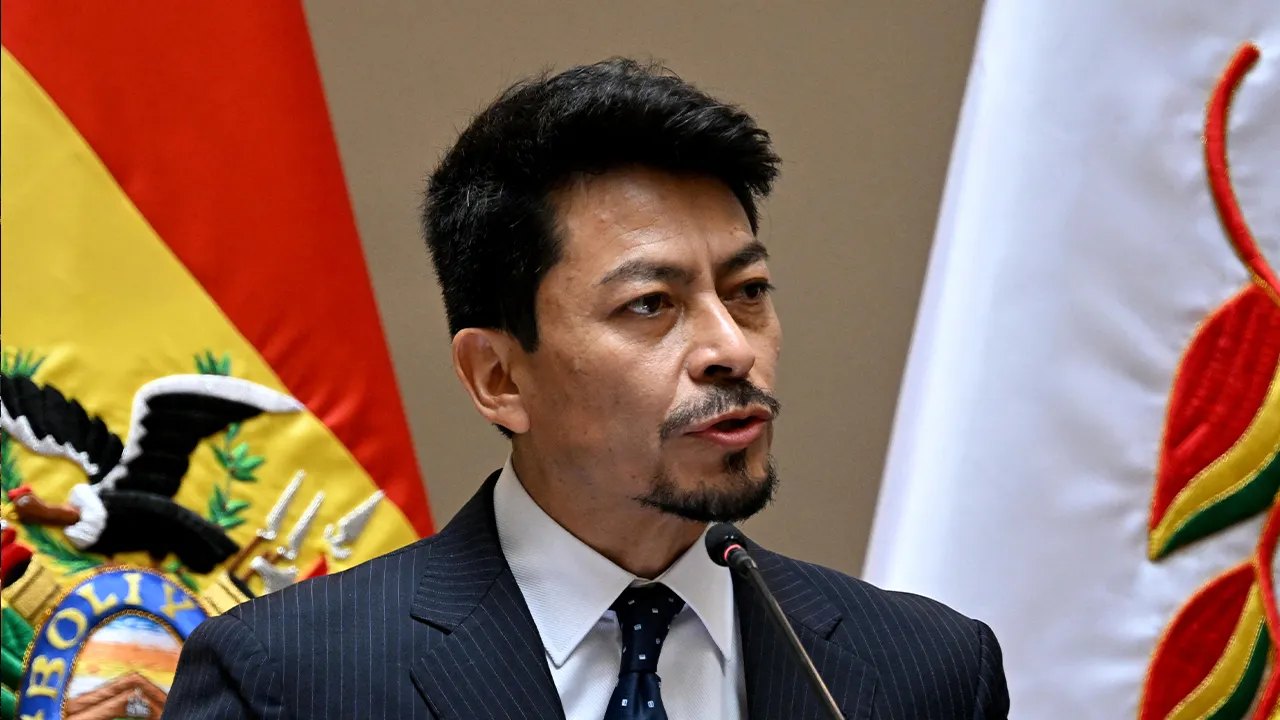
In a significant shift in South American geopolitics, Bolivia is actively pursuing renewed partnerships with the United States after decades of strained relations. The country’s new conservative President, Rodrigo Paz, who was sworn in just last month, has wasted no time in repositioning Bolivia away from its previous alliances with China and Venezuela, instead turning toward Western nations. This diplomatic realignment represents a dramatic departure from nearly two decades of leftist governance under Evo Morales and Luis Arce, whose political machine ultimately fractured amid economic crises, corruption scandals, and growing public concern over alleged narcotrafficking networks embedded within the state. Foreign Minister Fernando Aramayo, during his recent visit to Washington where he reestablished diplomatic ties with Israel, expressed Bolivia’s desire for a “long-term relationship with the U.S.” based on shared values of democracy, with the goal of creating “a new alliance in South America.”
The collapse of Bolivia’s left-leaning MAS party has created an unusual opening for this conservative, pro-business administration in a country that was once among China and Venezuela’s closest ideological allies in the region. Aramayo has emphasized that Bolivia intends to implement new laws and regulations specifically designed to attract U.S. investment and break up what he describes as China’s “monopoly” on mining Bolivia’s natural resources, particularly its valuable lithium deposits. “The U.S. has a lot of technology and has a lot of experience in sustainable extraction of resources,” Aramayo noted, explaining that Bolivia hopes to benefit from technology transfers and participate in the entire production chain. When asked if he shares U.S. concerns about China using investments as leverage, Aramayo responded affirmatively: “Of course. We want to diversify our portfolio and we want serious investors.” This stance reflects a pragmatic approach to Bolivia’s economic future, recognizing the potential dangers of overdependence on a single foreign power.
The growing influence of transnational criminal organizations represents one of the most pressing challenges facing the region, according to Aramayo. He argues that these cartels have flourished during years of political instability and have become deeply embedded across South America. Bolivia itself continues to grapple with the legacy of what Aramayo characterized as “narco authorities” governing the country over the past two decades—a sobering assessment of his predecessors’ administrations. “We’re very concerned about the presence of these cartels in South America,” he said, highlighting how criminal networks undermine confidence in state institutions and contribute to cross-border instability. This focus on combating organized crime aligns with U.S. security interests in the region and provides another area for potential cooperation between the two nations.
The timing of Bolivia’s diplomatic pivot coincides with increased U.S. pressure on Venezuelan leader Nicolás Maduro, including American operations targeting what U.S. officials describe as narco-trafficking vessels linked to his regime and the seizure of an oil tanker allegedly used to evade sanctions. When asked about these American actions, Aramayo took a diplomatically neutral position, neither criticizing nor opposing U.S. measures, instead stating that Washington “has the right to represent their own interests.” He added that South American nations generally share concerns about Venezuela’s trajectory and remain open to diplomatic efforts to resolve the crisis. This measured response suggests Bolivia’s interest in maintaining constructive relations with both the United States and its regional neighbors, while still signaling a clear break from the previous government’s more overtly anti-American stance.
Bolivia’s new administration has expressed its intention to support a “democratic transition” in Venezuela and collaborate with regional partners to help restore what Aramayo called the “legitimacy and reliability” of Venezuela’s institutions after years of political repression and economic collapse. This position on Venezuela represents another significant shift in Bolivia’s foreign policy, moving away from the unqualified support for the Maduro regime that characterized the previous government’s approach. By aligning more closely with the broader regional consensus on Venezuela, Bolivia appears to be positioning itself as a more moderate and constructive player in South American affairs, one that prioritizes democratic values and regional stability over ideological solidarity with authoritarian regimes.
The dramatic reorientation of Bolivia’s foreign policy under President Paz signals a potential reshaping of the geopolitical landscape in South America. By actively seeking American investment, distancing itself from China, supporting democratic transitions in Venezuela, and prioritizing the fight against transnational crime, Bolivia is attempting to forge a new path that balances national sovereignty with international cooperation. While this shift presents new opportunities for U.S. engagement in a region where Chinese influence has grown significantly in recent years, it also raises important questions about the sustainability of this new approach. President Paz’s government will need to demonstrate that its pro-Western stance delivers tangible benefits to the Bolivian people, particularly in terms of economic development and security. The success or failure of Bolivia’s diplomatic pivot could have far-reaching implications not only for U.S.-Bolivian relations but also for the broader contest between democratic and authoritarian models of governance throughout Latin America.