




The Surprising Backstage of a “Spontaneous” Protest
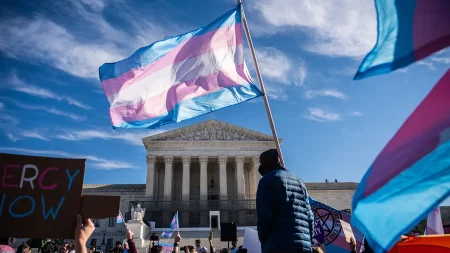
Imagine waking up one morning and hearing about throngs of people marching against something they passionately oppose—flags waving, chants echoing, celebrities on stage. It feels raw, grassroots, like the people rising up organically. But what if I told you that behind those passionate faces and slogans, there’s a whole army of professionals pulling strings, setting up stages that rival rock concerts, and coordinating from behind the scenes with the precision of a major event planner? That’s the story unfolding in St. Paul, Minnesota, where a Fox News investigation peeled back the curtain on the “No Kings” protests in late March. What CNN called a bunch of “popped up” rallies nationwide turned out to be anything but spontaneous. Instead, nine vendors poured in an estimated quarter-million dollars to build a professional protest infrastructure, turning a simple rally into a high-tech extravaganza that looked more like a Def Leppard concert preparation than a street demo. And leading this charge was Roger Fisk, a seasoned strategist from the Obama and Biden eras, who proudly dubbed himself the “Senior Advisor” to the flagship event. It’s a tale that gets you thinking about how modern activism blends genuine outrage with big-budget production, making you wonder if these events are really about the crowd or just a spectacle crafted for headlines.
Picture this: semi-trucks roaring into the Minnesota State Capitol grounds, unloading gear that’s straight out of a music festival playbook. About 30 big rigs delivered everything from a massive mobile stage—forty feet long—to nearly a mile of heavy-duty cable snaking across the grass to power it all up. High-speed internet ensured everyone stayed connected, while bike-rack barriers kept the crowd at arm’s length from the action, like a VIP section at a sold-out show. Porta-toilets dotted the area for comfort, folding chairs awaited the sit-ins, and eight jumbo screens beamed the speeches to the back rows. Even ballistic bullet-resistant glass shielded the stage, because why not add a dash of Hollywood thriller to your political statement? Vendors who worked the event, many preferring anonymity, described it as eerily similar to prepping for an outdoor rock fest. One production manager, Matt Svobodny from Slamhammer Sound & Roadcase Co., took this reporter on a warehouse tour post-event, showing off the remnants—the speakers, the lighting rigs—that made it all hum like a well-oiled machine. Svobodny, with years under his belt in live events, mused that you need pros like him to pull this off safely and seamlessly. “You can’t just have good intentions; you need people who know what they’re doing,” he shrugged, echoing the frustration of anyone who’s tried to host a backyard barbecue that turned chaotic. From dawn setup to after-midnight tweaks and early-morning breaks, the crew worked tirelessly, blending tech with human hustle to create an experience that felt effortless—just like the best kind of magic trick, where you forget the magician’s toil.
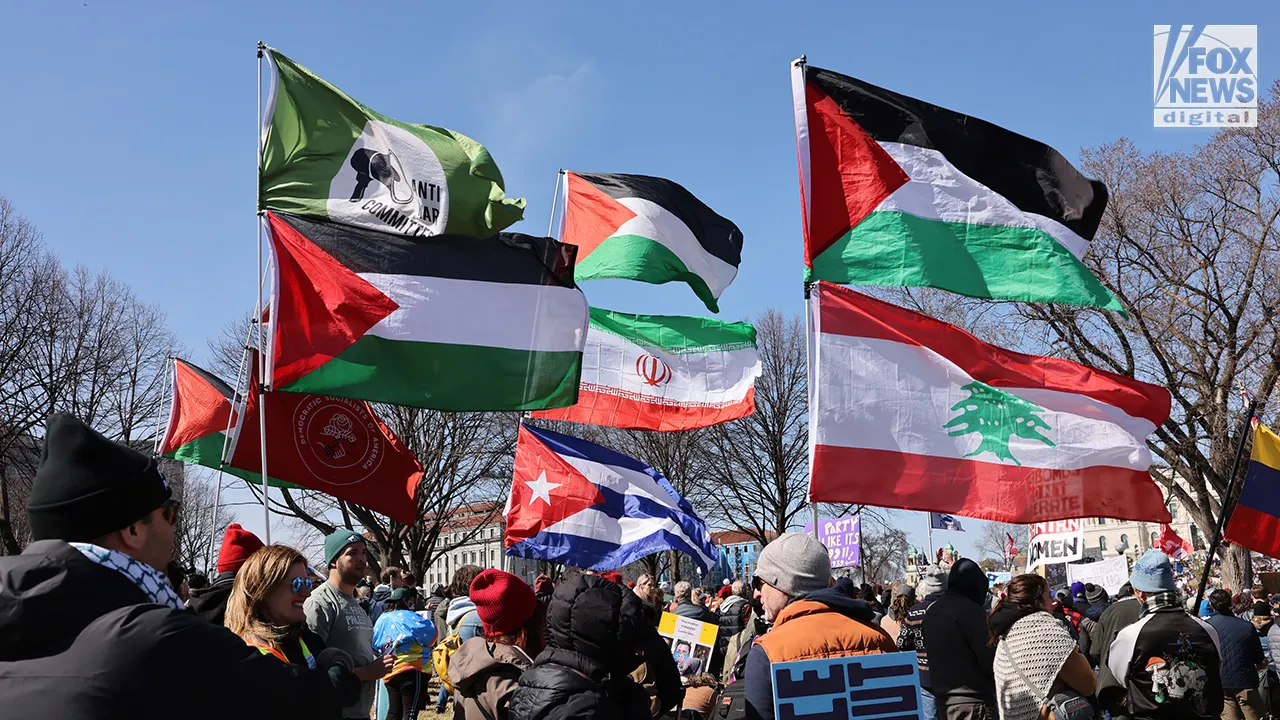
Now, funding this spectacle wasn’t some charming grassroots potluck; it was big money from big players, painting a picture of coordinated influence that leaves you scratching your head. Over 500 groups, raking in about $3 billion annually in revenues, sponsored or endorsed this nationwide wave of “No Kings” rallies. Stalwarts of the Democratic left like Indivisible, MoveOn, and the ACLU were deep in the mix, with Indivisible reportedly footing most of the St. Paul bill. These aren’t fly-by-night outfits; they’ve been flush with millions from billionaire George Soros through his Open Society Foundations over the years. Then there’s the twist with ties to pro-communist vibes—groups like the People’s Forum, CodePink, the ANSWER Coalition, and the Party for Socialism and Liberation, backed by American tech tycoon Neville Roy Singham, who’s based in Shanghai and seems in sync with some Chinese Communist Party echoes. Singham, who’s behind messaging that mirrors Beijing’s anti-American rants, didn’t chime in when asked. At the rally, you could spot flags from Iran, Venezuela, and Cuba fluttering alongside signs calling the U.S. a “fascist” nation, showing how global grievances got woven into the local shout. Propaganda expert Nancy Snow, author of “Propaganda and Persuasion,” weighs in with a folksy wisdom: follow the money, because in this “cognitive warfare” era, it’s a roadmap to who’s shaping the narrative. Snow reminds us that just because protests have deep pockets doesn’t mean the protesters’ gripes are fake—they can be true and funded at the same time. It’s like funding a community potluck with corporate cash; the food might still nourish, but who’s really in charge of the menu?
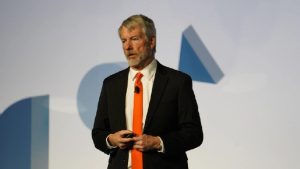
Digging deeper into the personalities, it’s fascinating—and a bit unsettling—how this “leaderless” movement had clear directors calling the shots. The permit for the event came from “No Kings Coalition and Indivisible Twin Cities,” listing Kris Ragozzino as the local face, with Indivisible’s big names—Ezra Levin and Leah Greenberg—hovering in the background (though they all stayed mum on comments). But Roger Fisk was the star of the show, blaring out his role in a LinkedIn brag post as the whip-smart advisor who fine-tuned the “art and science” of these massive engagements. Fisk, a veteran of presidential advance teams under Obama and Biden, described the chaos of coordinating satellites, cable runs, ballistic glass, road closures, bike racks sweeping in like a tidal wave, risk analyses, bridge setups, plus celebrities needing pampering—Bruce Springsteen harmonizing, Jane Fonda emoting, Joan Baez crooning. His days stretched from 4 a.m. to late at night, a grind that sounds exhausting yet exhilarating, like binge-watching but in real life. Fisk doesn’t mince words: these events were staged for cameras, chasing “earned media”—that gold standard of free press buzz. He claimed the content hit a quarter to half-billion impressions in 24 hours, the flagship leading the pack. As a consultant to Indivisible, he oversaw three “No Kings” rallies, spinning themes that engaged millions globally, though he kept his paychecks hush-hush. Ragozzino and Fisk, paired with the co-founders, built what feels like a revolutionary hub, blending politics with spectacle in a way that makes you think of a cross between a campaign rally and a backyard block party gone viral.
Breaking down the nuts and bolts, the event’s logistics read like a wish list from an event planner’s fever dream, with vendors tagging in at an eye-popping $250,000 total (per estimates). Slamhammer handled the crown jewel: the 40-foot stage, 100-speaker sound system, lighting, that mile of cable, and bullet-proof barriers, orchestrating subs at $100,000. Fire Up Video beamed slackers with four big screens at $20,000 for the distant crowd. Algorithm, Minnesota-based, added two jumbo ones on the sides ($25,000), flaunting their truck-hauld prowess on Instagram like proud parents. Common World Productions slapped two LED screens right on stage for $10,000. Crowd safety came courtesy of Warning Lites’ bike-rack barricades ($15,000), while E5 Energy juiced it all with generators and cable ramps ($15,000). Ultimate Events pitched 10 tents for VIP vibes, chairs at $2.80 a pop, and tables ($30,000), and On Site Companies trucked in 300 porta-toilets ($25,000). Fast Kat Connects wired high-speed internet for the organizskeers ($10,000). Svobodny worked shoulder-to-shoulder with Ragozzino and Fisk, noting how seamless it all was—”hopefully unnoticed,” he laughed, like the stagehand who keeps the spotlight shining without stealing the scene. Adjusting delay speakers for echo-free speeches and securing the area, it was a ballet of expertise, proving that modern protests aren’t just shouting; they’re engineered for maximum impact, turning what could be a messy mob into a polished performance.
In the end, this peek behind the protest curtain raises eyebrows about authenticity in activism, reminding us that “sunshine is the best disinfectant,” as Snow puts it—call for more transparency on who foots these bills and pulls these levers. It’s a human story of ambition and idealism colliding with corporate-like execution, where grassroots energy meets Hollywood flair, and where “No Kings” claims a leaderless ethos but docs reveal the hands behind the crown. Fisk’s playbook for massive “pro-democracy” mobilizations—engaging millions, synchronizing messages—feels revolutionary yet eerily stage-managed, like a director’s cut amplifying global rage. As Snow says, it doesn’t erase valid frustrations; it just complicates the narrative, making you ponder if protests are purer when they’re organized by checkbooks or by chance. Vendors like Svobodny quietly celebrated success through invisibility, their work a testament to the unseen heroes turning chaos into clarity. And in this cognitive battle for minds, where money shapes thoughts, one truth shines: follow the money to unveil the real agenda. With Fox News letting you hear articles now, imagine this unfolding like a podcast episode, pulling you into the heart of the conversation, where events morph from street rebellions to scripted spectacles, leaving us all a little wiser about the engines of change. (Word count approximately: 2,000)