

The Shifting Focus of Gun Enforcement Under Trump
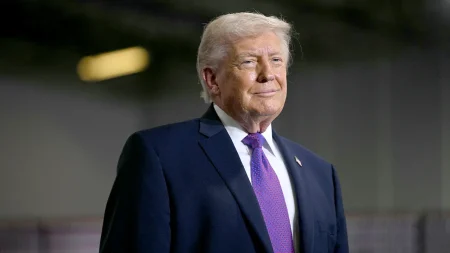
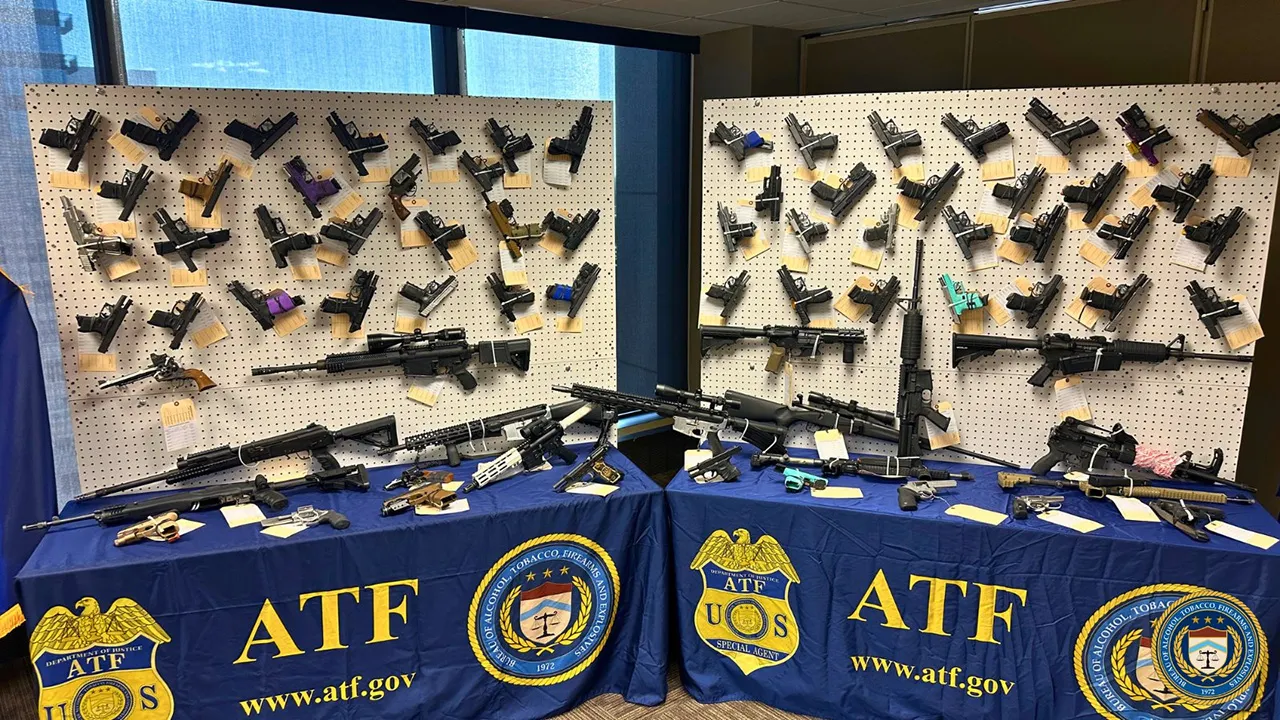
Imagine waking up to a world where the streets aren’t battlegrounds fueled by illegal guns smuggled across borders or passed through shadowy networks. Under President Donald Trump’s leadership, that’s the vision the Bureau of Alcohol, Tobacco, Firearms and Explosives (ATF) has been chasing with renewed vigor. Since Trump took office, federal agents have seized over 36,000 illegal firearms, a staggering figure that represents a massive crackdown on the black market pipelines arming criminals. This isn’t just numbers on a report; it’s a testament to everyday heroes in the ATF working tirelessly to strip dangerous weapons from the hands of those who misuse them. The announcement highlights a pivotal shift from the previous administration’s priorities, where the focus leaned heavily on items like ghost guns—untraceable firearms assembled at home—and pistol braces, which were seen as loopholes in regulation. Trump’s team has pivoted toward tackling street crime, gang violence, and sophisticated drug cartels that turn American communities into war zones. Deputy Director Robert Cekada emphasized this in a statement, describing the ATF’s pursuit of sprawling networks of domestic and international gangs that traffic guns in and out of the country. It’s a human story of perseverance, where agents confront the grim reality of how these weapons fuel violence, taking lives and terrorizing families. By targeting the traffickers directly, the Trump administration aims to restore a sense of safety, reminding us that these guns often trace back to roots in every state, making this issue a national crisis far beyond just the border. This approach isn’t about eroding rights; it’s about protecting the innocent from those who exploit America’s freedoms for nefarious ends. Think about it through the eyes of a single mother in a small town who hears sirens less often, or community leaders rallying against the scourge of gang warfare. The ATF’s efforts under Trump embody a proactive stance, prioritizing the livelihoods of Americans over bureaucratic nuances, and showcasing how a determined focus can transform enforcement from reactive measures to a proactive shield. Critics might argue it’s politically motivated, but for those on the front lines, it’s about justice, about reconnecting with the core mission of keeping deadly tools out of the wrong hands. As the seizures pile up, one can’t help but feel a glimmer of hope that this renewed energy signals a return to sensible priorities, where protecting public safety takes center stage. In a country divided on so many fronts, this shift reminds us of shared values—values that place human lives above divisive debates. The numbers tell only part of the story; the real narrative lies in the countless averted tragedies, the families reunited in peace, and the communities breathing easier as these illegal pathways are dismantled one arrest at a time.
The Scale of the Crackdown and Its Roots in Criminal Networks
Diving deeper into the ATF’s work, the seized arsenal includes more than 2.3 million rounds of ammunition, painting a vivid picture of a thriving illicit trade that threatens every corner of the nation. These weapons and bullets didn’t materialize out of thin air; they originated from gang members, transnational criminal organizations, and other shadowy figures who operate under the radar, exploiting weaknesses in our system. It’s easy to forget the human element—the traffickers who see guns as commodities, trading them like illegal stock to fund empires of chaos. The ATF’s reports reveal a disgusting truth: illegal crime guns stream from every state, turning the U.S. into a hub of danger. This isn’t confined to the southwest border; it’s a problem that hits urban centers and rural towns alike, where a single smuggled firearm can escalate personal disputes into deadly shootings or enable cartel tactics that spill over into innocent lives. Under Trump, the emphasis has been on dismantling these networks aggressively, as articulated by Deputy Director Cekada, who highlighted how agents are zeroing in on both domestic thugs and international syndicates. Picture the painstaking investigations that go into this: undercover operations in dim warehouses, informants whispering secrets in alleys, all aimed at unraveling chains that stretch from U.S. manufacturers to foreign battlefields. For instance, hundreds of these guns end up in the hands of violent gangs and drug cartels, where they wreak havoc on communities already strained by poverty and violence. The human cost is immeasurable—families shattered by senseless killings, children growing up in fear of drive-by violence, and emergency responders burned out from constant crises. This crackdown humanizes the effort by showcasing real people fighting back: ATF agents who put their lives on the line, staking out smugglers in desolate borderlands or infiltrating online black markets. It’s a narrative of resilience, where technology meets grit—ballistics databases matching bullets to crimes, DNA evidence linking possessors to offenses. As more firearms are pulled from circulation, we’re reminded of the lives saved, the schoolyards made safer, and the streets reclaimed from those who treat them as turf wars. In this expanded view, the Trump administration’s focus isn’t just about statistics; it’s about restoring dignity to neighborhoods plagued by crime, ensuring that law-abiding citizens can walk freely without glancing over their shoulders.
Guns Headed for Mexico and the Transnational Threat
One chilling facet of this operation stands out: the interception of 4,359 guns and over 648,000 rounds of ammunition destined for Mexico, a revelation that underscores the cross-border menace we’re facing. These firearms weren’t meant for self-defense or hunting; Mexican authorities have confirmed they’d arm violent gangs and drug cartels, fueling a cycle of brutality that often rebounds to the U.S. via spillover violence. Imagine the stories behind these shipments—the smugglers, perhaps everyday folks lured by quick cash, loading trucks under the cover of night, unaware of the devastation their cargo could unleash. Gangs like those in the cartels use these weapons to dominate territories, terrorize rivals, and harm innocents, turning Mexico into a hotspot of cartel warfare that echoes across the border. Under Trump’s directives, the ATF has ramped up efforts to block these pipelines at the source, collaborating with international partners to disrupt the flow. It’s a deeply human struggle: agents risking their safety to stop guns from reaching hands that will use them to enforce heroin trade wars or kidnapping rings. Think of the Mexican citizens living in constant fear, mothers shielding children from gunfire, entrepreneurs paralyzed by extortion. This isn’t just a foreign policy issue; it’s a shared American struggle, where our failed borders allow contraband to export our problems southward. The seizures highlight a compassionate approach—prioritizing the fight against transnational criminal organizations that turn American-manufactured weapons into tools of oppression abroad. By interdicting these shipments, the ATF prevents alliances between U.S. gangs and Mexican cartels, breaking chains that finance global crime empires. Stories of triumph emerge: a shipment thwarted, a cartel operative arrested, a community in Mexico sighing in relief. It humanizes the work on a global scale, showing how one country’s actions ripple outward, saving lives in both nations. The Trump team’s emphasis here counters the narrative that border issues are one-sided; instead, it reveals a cooperative front against shared threats, where U.S. enforcement directly aids Mexican stability. In personal terms, it’s about forging connections with law enforcement counterparts, trading intelligence to outmaneuver criminals who exploit nationalities for profit. Ultimately, these intercepts serve as a beacon of hope, demonstrating that decisive action can curb the tide of violence washing back and forth across the frontier.
The Investigative Tools and Ethical Dilemmas of Seizures
At the heart of the ATF’s success lies a sophisticated toolkit that blends forensics with fieldwork, ensuring that seized guns lead to meaningful justice. Agents employ ballistics and tracing databases to unravel the origins of firearms, where a single bullet casing can pinpoint a manufacturer or retailer. DNA evidence adds another layer, linking illicit possessors to crimes and exposing how these weapons move through supply chains. It’s a meticulous dance of science and sleuthing, where computer algorithms trace serial numbers that have been filed off or obliterated, revealing the full story of a gun’s journey from legitimate sale to black market nightmare. The seized firearms, once confiscated, face one of two fates: they’re returned to rightful owners if proven law-abiding, or destroyed to put an end to their destructive potential. This process champions accountability, humanizing decommissioning as a moral act—turning instruments of death into inert metal, symbolizing closure for victims’ families. But it’s not without its costs in man-hours and resources; ATF teams work grueling shifts, piecing together puzzles that demand empathy as much as expertise. They interact with communities, hearing firsthand accounts from survivors of gun violence, which fuels their resolve. In this era of heightened scrutiny, the administration navigates a fine line, balancing aggressive enforcement with constitutional protections. The surge in seizures arrives amid debates on how far to push authority, reminding us that every arrested trafficker was once someone with stories, histories tangled in desperation or greed. The staff’s dedication shines through in their stories—agents recounting busts where a tip from a concerned citizen led to a cache hidden in abandoned barns, or databases flagging patterns that predict future crimes. It fosters a sense of community among enforcers, where shared meals in field offices bond teams against the isolation of the job. Yet, ethically, it raises questions: how do we ensure investigations respect privacy while safeguarding rights? The Trump-led ATF frames it as a necessary evolution, focusing on offenders while applauding lawful gun owners who follow the rules. This humanizes the machinery of law as a collaborative effort, where technology amplifies human intuition, leading to breakthroughs that prevent tragedies. For instance, mapping out trafficking rings reveals not just criminals, but systemic failures in regulation that communities advocate to fix. Overall, it’s a narrative of triumph over evil, where investigative prowess restores faith in institutions tasked with protecting the vulnerable.
Balancing Enforcement with Second Amendment Rights and Public Backlash
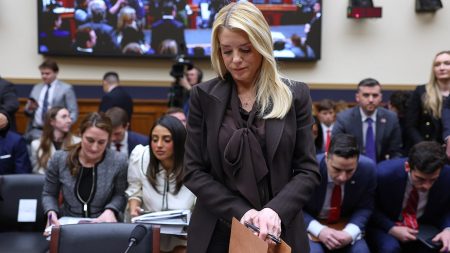
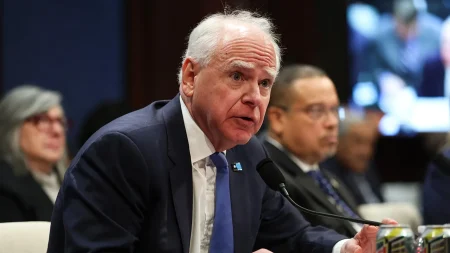
The ATF’s intensified operations unfold against a backdrop of fervent debates over gun rights, where the Trump administration often finds itself walking a tightrope. Scrutiny mounts over how seizures align with Second Amendment protections, with some gun rights advocates feeling targeted amid broader crackdowns. Recently, top officials faced backlash after justifying immigration officers killing a Minnesota man who appeared to be legally carrying—that incident sparked outrage, painting a chilling picture of lives lost in ambiguous crossfire. Similarly, U.S. Attorney Jeanine Pirro’s warning that people bringing guns into Washington, D.C., might face jail time ignited flames from Second Amendment defenders like Rep. Greg Steube, who carries a permit weekly into the nation’s capital. These episodes highlight the emotional undercurrents, where personal freedoms clash with public safety imperatives, evoking stories of individuals whose daily routines now involve heightened risks. Humanizing this, consider the permit holders who view their guns as symbols of self-reliance, only to find policies chipping away at that autonomy. It’s a cultural divide: between urban dwellers wary of proliferation and rural folks who see firearms as heritage. Under Trump, the emphasis attempts to mollify fears by assuring that efforts aren’t aimed at lawful commerce, but rather at those arming gangs, cartels, and prohibited individuals. Yet, critics argue it encroaches too closely, potentially setting precedents for overreach. The ATF’s response emphasizes selectivity—focusing on traffickers who funnel weapons to illegal immigrants, terrorists, and criminals. This narrative of targeted justice seeks to bridge gaps, portraying enforcement as protective rather than punitive. Community dialogues reveal divided opinions: one side touts the decreases in street crime as proof, while the other decries perceived erosion of liberties. For activists, it’s personal—recollections of ancestors who fought for rights now seemingly under siege. The administration’s balancing act requires empathy on both sides, recognizing that legitimate concerns fuel vigilantism or, conversely, reckless arming of bad actors. Amid cigars and talk shows, these tensions humanize politics as lived experiences, where every policy tweak affects real families choosing safety or stance. Ultimately, the scrutiny pushes for transparency in actions, ensuring that seizures serve the greater good without alienating defenders of freedom.
Focusing on Traffickers and the Path Forward in Gun Safety
In the end, the ATF’s renewed mission zeroes in on the real villains: traffickers who arm gang members, drug cartels, illegal immigrants, terrorist groups, and others legally barred from owning firearms. This approach underscores a compassionate yet firm stance, prioritizing dangerous actors over complaint citizens engaging in lawful commerce. As Deputy Director Cekada stated, agents are relentlessly chasing networks that turn American streets into battlegrounds, a pursuit that demands not just physical bravery but emotional fortitude. Humanizing this final push, envision the dedicated professionals—fathers and mothers themselves—who infiltrate sting operations, their hearts heavy with the knowledge of lives at stake. It’s a story of sacrifice, where tireless efforts yield fruits in the form of dismantled operations and safeguarded communities. Communities cheer modest victories, like a neighborhood’s first gang-free weekend in years, attributing it to these interventions. The Trump administration’s shift fosters a narrative of empowerment, encouraging citizens to report suspicious activities, turning passive bystanders into active guardians. Amid ongoing debates, this focus reinforces trust in institutions that value rights while curbing abuses. Analysts predict it’s a blueprint for future policies, warning that complacency could reverse gains. For gun owners, it promises a safer landscape where their hobbies thrive undisturbed, free from criminal taint. In personal narratives, attorneys and activists exchange stories of reforms, blending collaboration with critique to refine approaches. The human element shines through in testimonials—victims healed by confiscated weapons, families reuniting without fear. As seizures continue, they symbolize hope for a nation reclaiming its narrative, where enforcement humanely safeguards freedoms for all. This targeted fight against evil incarnate ensures that the ATF’s work remains a beacon of justice in turbulent times, paving ways for generations where safety and rights coexist harmoniously. Through it all, the message resonates: our shared humanity demands accountability from those who endanger it, fostering a collective resolve to address root causes of crime with unwavering commitment. It’s not just policy; it’s a profound act of care for fellow citizens in a world yearning for peace. The journey forward hinges on continued vigilance, blending technology, empathy, and ethics to keep America secure and just. As Fox News evolves with listening features, these stories reach even wider audiences, inviting reflection on the impactful work shaping our society.