




The Quiet Night Turned Deadly at a Presidential Retreat
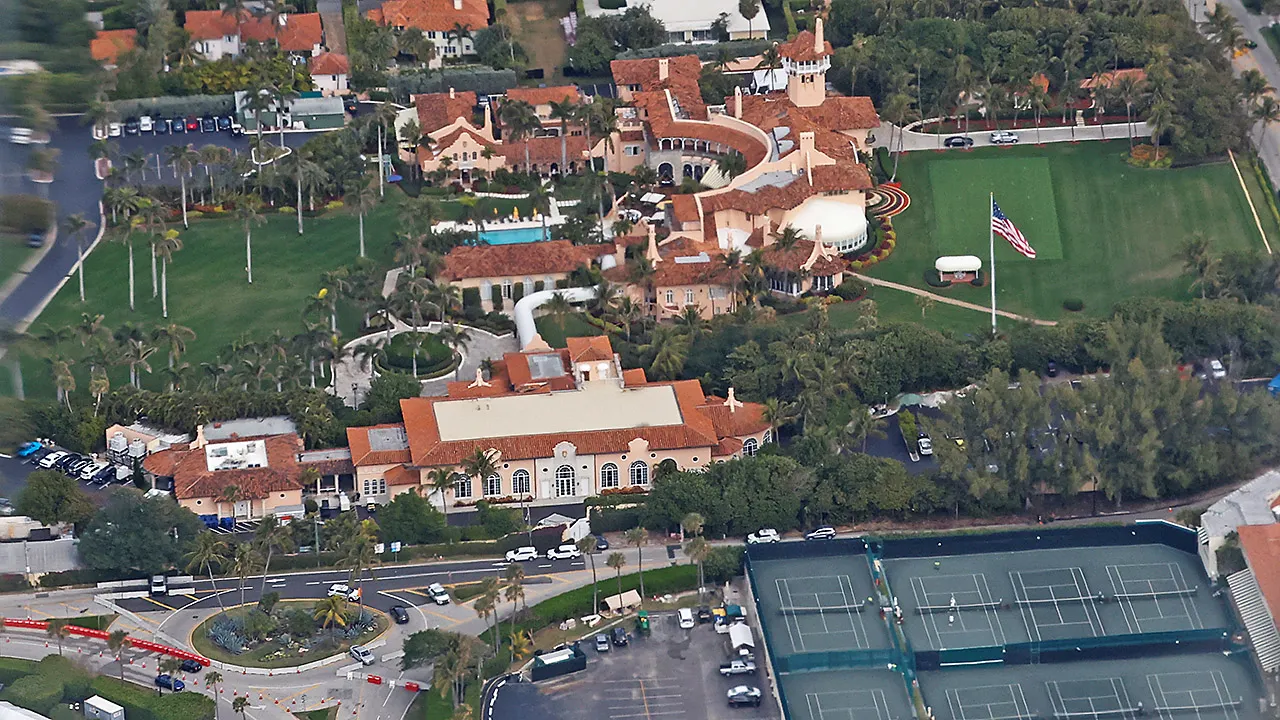
On a balmy Florida evening in Palm Beach, where the humid air clings to your skin like a second layer and the sway-palm trees whisper secrets to the ocean breeze, Mar-a-Lago stands as a gleaming beacon of past presidencies and modern opulence. This sprawling estate, with its grand white columns and manicured lawns, is not just a home—it’s a fortress guarded by the elite protectors of American democracy. Yet, on that early Sunday morning around 1:30 a.m., when most palms were sleeping soundly under a blanket of stars, an unthinkable breach shattered the illusion of impenetrable security. A young man, barely out of his teens, allegedly crossed the so-called secure perimeter, carrying objects that hinted at sinister intentions. He was observed near the north gate, his figure shrouded in the dim glow of estate lights, clutching what looked like a shotgun and a fuel can. In that unguarded moment, law enforcement responded with the swift precision of trained professionals, turning a potential catastrophe into a tragic standoff. The Secret Service, ever vigilant shadows of power, along with a deputy from the Palm Beach County Sheriff’s Office, confronted him head-on. What unfolded was a tense dance of commands and defiance, ending in gunfire that echoed through the stillness, leaving the intruder dead on the scene. No one from the protection detail was hurt, and crucially, no protectees were present—President Donald Trump himself was safely far away in another state, blissfully unaware of the drama unfolding at his vacation stronghold.
The confrontation itself was a heartbeat-pounding saga of split-second decisions and human vulnerability. Imagine the scene: three men in uniforms—two grizzled Secret Service agents with years of close-call stories etched into their faces, and a local deputy whose small-town roots suddenly bridged to national security—approaching this solitary figure who seemed out of place in the luxurious enclave. The suspect, described as a white male, put down the fuel can as instructed but raised the shotgun instead, transforming the air into a charged arena where life hung by a thread. Orders rang out sharply—”drop the items”—but words failed to pierce the tension; the man moved deliberately, his actions igniting a flurry of defensive fire. In a matter of seconds, the threat was neutralized, as the officers described it, their weapons reporting in unison to protect the sanctity of the grounds. It was a stark reminder that behind the gleaming facades of celebrity estates, real dangers lurk, and heroes in plain clothes must act without hesitation. The fuel can, an ominous companion to the firearm, raised questions about the intruder’s plans—was it arson intended to add to chaos, or merely a prop in a misguided narrative? Eyewitness accounts, pieced together from officials, painted a picture of calm chaos: no banter exchanged, just actions and reactions in the moonlit night. This wasn’t Hollywood drama; it was raw reality, where a deputy’s quick draw and an agent’s steady aim tipped the scales from peril to peace. Residents nearby might have stirred in their beds, hearts racing at distant pops that could have been fireworks or something far worse, only to learn later of the intrusion’s grim outcome. For those entrusted with guarding Mar-a-Lago, this incident underscored the relentless grind of their duty—forever alert, forever prepared for the shadows that threaten from the edges.
When the dust settled and the adrenaline ebbed, identities emerged from the obscurity. The fallen man was identified as Austin Tucker Martin, just 21 years old, hailing from North Carolina—a young soul with dreams unrealized who found himself at the wrong end of fate’s cruel twist. Sheriff Ric Bradshaw, with the weary authority of a local leader thrust into the spotlight, confirmed Martin’s identity to reporters, his voice steady even as he grappled with the humanity of it all. A life cut short in the prime of youth, Martin’s history remained shrouded during the initial aftermath, prompting whispers of what drove him there. Was it ideology, mental fracture, or something more personal? His family in North Carolina, perhaps awakened by news alerts or a knock at the door, faced a nightmare of grief and confusion. A man in his early 20s, maybe one who scrolled through social media feeds rife with political turmoil, who felt the weight of societal pressures or harbored unspoken grievances. Humanizing him wasn’t about excusing actions but understanding the fragile line between ordinary existence and extraordinary folly. For a moment, he was just Austin—a name evoking potential, now forever linked to a fateful choice. The revelation brought the incident closer to home, transforming a faceless intruder into a person with a backstory, inviting empathy amidst the outrage. Bradshaw’s words at the press conference carried the weight of responsibility, acknowledging the tragedy while steeling the resolve to uncover truths. No injuries to protectors, no threats realized beyond the initial breach—it ended cleanly, yet the echo of a young life lost lingered like fog over the estate.
As dawn broke over Palm Beach, a meticulous investigation sprang into action, a collaboration of law enforcement heavyweights determined to unravel the threads of that perilous night. The FBI, with its arsenal of forensic wizards, joined the Secret Service and Palm Beach County Sheriff’s Office in a joint effort that spoke to the incident’s gravity. Special Agent Brett Skiles from FBI Miami took the podium, his tone urgent yet composed, detailing how the bureau’s evidence response team descended upon the scene like specialized bees to a hive, collecting fingerprints, bullets, and digital breadcrumbs. They scoured the area, mapping the intruder’s path to the inner perimeter, piecing together motives, backgrounds, and the circumstances of force. Was this a lone wolf act born of disillusionment, or part of a larger storm brewing in the undercurrents of American unrest? The public was enlisted in the hunt—residents urged to rewind their exterior cameras from Saturday night into Sunday morning, scanning for suspicious figures or overlooked clues. “If you see anything that looks suspicious or out of place, please contact us,” Skiles implored, his words a call to collective vigilance in an age of ubiquitous surveillance. It was a narrative of teamwork, where ordinary citizens could become silent heroes, their doorbell footage potentially cracking the case wide open. Directors like Kash Patel from FBI headquarters voiced commitment on social media platforms, pledging resources and partnerships, painting a picture of unity against threats. This investigation wasn’t just procedural; it was a human tapestry weaving safety and story, ensuring that behind every security lapse, answers waited to be uncovered.
In the broader tapestry of national security, this Mar-a-Lago incursion rippled outward like a stone dropped in a pond, reflecting ongoing anxieties about high-profile figures and the lengths society goes to protect them. Fox News highlighted similar tensions, from thwarted threats near the White House to eerie discoveries in restricted areas, each a reminder that democracy’s torchbearers live under constant siege. Yet, humanizing the event meant delving into the emotions of those involved—the adrenaline-fueled agents replaying the shoot in their minds, the deputy’s family waiting anxiously for his safe return, the shattered families of both the intruder and perhaps future threats averted. It underscored the psychological toll on protectors, who train for such moments but carry the weight of judgment forever. For Trump, absent from Florida, it was a brush with vulnerability, a stark departure from his public persona of unyielding strength. Narratives of resilience emerged, with officials quick to note no protectees were in harm’s way, allowing a sigh of relief amid outrage. The community of Palm Beach, once a playground for the elite, now shared in the vigil, their whispers at dawn coffee shops blending fear with gratitude for the thin line of defense. This wasn’t just an incident; it was a mirror to societal fractures, where one man’s choices illuminated the fragile balance of security and freedom.
Reflecting on it all, the Mar-a-Lago breach serves as a poignant chapter in the annals of American vigilance, blending tragedy with triumph in the quiet aftermath. Young Austin Martin’s story, tragic as it is, compels us to ponder the invisible forces—anger, alienation, or misguided zeal—that propel individuals toward catastrophe. For the officers, it was a badge of honor worn lightly, their actions preserving life even as they ended one. As investigations deepen, truths will surface, but the human core remains: lives interrupted, heroes honored, and a nation reminded of its resilience. In the end, from the sun-kissed shores of Florida to the hearts of families afar, this incident humanizes the raw edge of security—where one misstep can shatter worlds, yet collective resolve mends them. It’s a testament to the unyielding guard of freedom, even as we grapple with the shadows that threaten its light. And as Fox News evolves, offering voices to these stories, listeners can now immerse themselves in these narratives, feeling the pulse of events that shape our shared destiny.