




The Echoes of Resilience: Iranian Americans and a City’s Heartfelt Divide
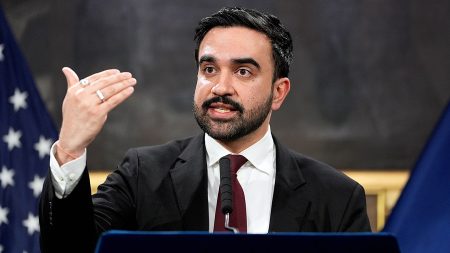
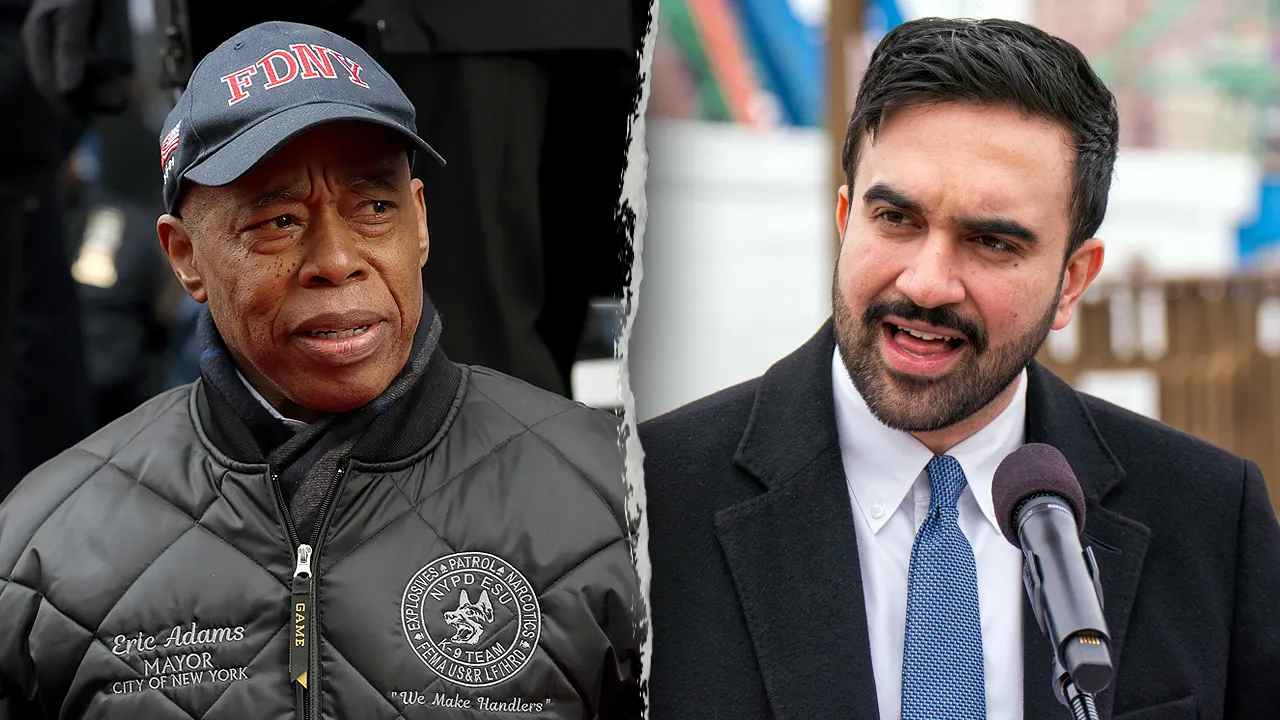
In the bustling tapestry of New York City, where dreams from every corner of the world collide, few moments have stirred such raw emotion as the recent U.S.-Israeli strikes on Iran. For Iranian Americans living here—many of whom fled the shadows of oppression—the news wasn’t just headlines; it was a long-awaited spark of hope. People like Sara, a middle-aged engineer who immigrated after her brother’s execution in Tehran, or young Amir, a college student waving an Iranian flag at an impromptu gathering, felt a profound mix of joy and trepidation. Former Mayor Eric Adams, himself a product of this city’s grit, voiced what many felt deep down: condemnation wasn’t just for the regime, but for the regime itself. Adams, ever the outspoken Democrat, didn’t mince words when he saw his successor, Mayor Zohran Mamdani, criticize the strikes. Mamdani, a newcomer with progressive ideals, painted the actions as “a catastrophic escalation,” warning of new wars and civilian casualties. But Adams countered, drawing on his lifelong observations of New York’s diverse soul, where Iranian families endure pain far from home. He highlighted how knee-jerk protests often came from ideological extremes, overshadowing the quiet, everyday struggles of Iranian exiles who cheered the confrontation as a stand against the “savage regime” that has defined their nightmares for generations. Adams shared vivid anecdotes from his time in office—listening to tearful stories in community halls, where women whispered fears of whipped sisters back in Iran, and men spoke of lost LGBTQ+ relatives executed publicly. For him, and for many in the city, this wasn’t politics; it was personal. By humanizing the conflict, he reminded everyone that behind the flags and sirens lay real lives yearning for dignity, whether in New York’s thriving Iranian enclaves or in the oppressed streets of Tehran.
As Adams delved deeper into his critique, he painted a fuller picture of the moral landscape, weaving in the global outcry and the genuine suffering it obscured. He described Iranian New Yorkers not as abstract statistics, but as neighbors: Fatima, the baker whose storefront bustled with customers sharing coffee and memories of saffron-scented Eids, now gathering in celebration. “They’re cheering,” Adams declared, “not protesting the U.S. for finally confronting the savage regime that has tortured, murdered, and terrorized their families for nearly half a century.” This sentiment echoed his earlier outpouring on the death of Ayatollah Ali Hosseini Khamenei, whom he called a symbol of fear and repression. In those moments, Adams embraced his role as a storyteller for the voiceless, recounting how the Iranian diaspora in New York—artists, scientists, traders—had long whispered prayers for freedom under the khomeni’s iron fist. Critics on the fringes, he argued, were blinded by ideology, defending a regime that whipped women for a strand of hair or hanged love between two men from cranes. Yet, Mamdani’s response added layers to the divide: he focused on New Yorkers’ immediate needs, like affordable living, while assuring Iranian Americans of their safety, calling them the “fabric of this city.” Adams, reflecting on his own tenure, saw hypocrisy in sympathizing with tyrants over victims. He posted images of children waving flags, not in aggression, but in hesitant hope, reminiscent of his own childhood in Queens, where immigrant stories shaped resilience. This wasn’t just a debate; it was a plea for empathy, urging the city to stand with those bridging worlds, not polarize further.
The repercussions of Adams’ words rippled outward, drawing praise from unexpected allies and global reflections that underscored the human cost of isolationism. Former Secretary of Defense James “Mad Dog” Mattis, a grizzled warrior turned advocate, endorsed Adams’ stance, calling the strikes a necessary confrontation against tyranny. “New Yorkers stand with those confronting this evil,” Mattis added, emphasizing support for U.S. forces amid Khamenei’s “significant” demise. This bipartisan nod highlighted the rare unity in a fractured time, as videos surfaced of celebrations in Washington, Berlin, and Sydney—expatriates dancing in streets, tears mingling with cheers, much like the spontaneous gatherings in Manhattan’s Persian markets. For many, including Mattis, the message wasn’t just approval of military action but a call to prioritize freedom over blind pacifism. Adams, recounting his own confrontations with Harris and other party figures, positioned himself as a truth-teller unafraid of backlash, much like the Iranian protesters he’d once cheered from afar. Yet, beneath the applause lay the sobering reality: while some ideologies defended oppression, others overlooked the regime’s global terror funding. Humanizing this, one could imagine Hassan, a former dissident now teaching at NYU, rejoicing not for violence, but for the flicker of change that might ease his daughter’s fears across the ocean.
As the echoes of conflict continued, analysts in Tel Aviv sheltered from missile sirens, their stories amplifying the stakes. An interpreter for Fox News witnessed 30 alarms in 48 hours, declaring Iran “won’t recover” from its defiance—a stark reminder of the human toll on all sides. This juxtaposition with New York’s relative peace underscored Adams’ point: protests here were often performative, driven by extremes, while the Iranian populace endured brutal reality. Mamdani, meanwhile, channeled his socialist roots, focusing on economic woes and peace, but Adams saw this as deflection. He argued for moral clarity, where “anti-war” stances masking sympathy for dictatorships were hollow. Drawing from his experiences moderating City Hall debates, Adams described the far-left’s protests as misguided fervor, akin to the far-right’s defiance—both ignoring the LGBTQ+ executions or women’s subjugation. Iranian New Yorkers, he insisted, deserved solidarity, not dismissal of their joy as jingoism. Videos of Berlin rallies, where families hugged under rain, echoed this: elderly aunts sighing relief, young couples dreaming of visits home. This humanized the global wave, transforming abstract strikes into narratives of hope and healing, where voices like Adams bridged divides and called for unity amid turmoil.
Ultimately, Adams’ commentary invited reflection on legacy and compassion in a polarized city. Criticisms flew on X (formerly Twitter) against Mamdani, with users lamenting missed opportunities during campaigns, wishing Adams’ eloquence had prevailed. Yet, for Iranian Americans like Leila, a poet hosting vigils, it was validation—a chance to honor ancestors without apology. Adams, in his posts, promised New York stood with them, echoing Mattis’ call for force protection. Mamdani’s office remained silent, but the discussion persisted, exposing fractures in progressive thought: prioritizing global peace over local solace, or vice versa. This wasn’t merely political theater; it was a mirror to the soul of immigration-driven New York, where every strike reverberated through families split by oceans and ideologies. By humanizing the narrative, Adams urged a pause for genuine connection, reminding us that beneath protests and policies, real people await justice—not just in Iran, but every crowded block here.
In weaving these threads, one sees New York as a microcosm of wider conflicts, where empathy must trump ideology. Adams’ story, from boy in the boroughs to bold mayor, inspires a push for morally grounded action. Iranian communities, vibrant and vocal, illustrate the city’s strength: artists performing in basement galleries, entrepreneurs innovating despite losses. As strikes and Saturdays blend, the call remains clear—stand with the oppressed, defend freedoms, and foster peace that begins at home. Even as missiles fall elsewhere, New York’s Iranian demographic thrives, praying for Iran’s liberation, their flags a symbol of survival. Adams, unafraid, models principled leadership, turning headlines into heartfelt calls to humanity, ensuring the city’s fabric holds strong. Through it all, the shared human desire for safety and dignity prevails, bridging divides one conversation at a time. This isn’t just about one regime or one city; it’s a reminder that empathy, when invoked, can steady even the most turbulent seas of change.