





New York City’s Move to Support Small Businesses: A Human Perspective
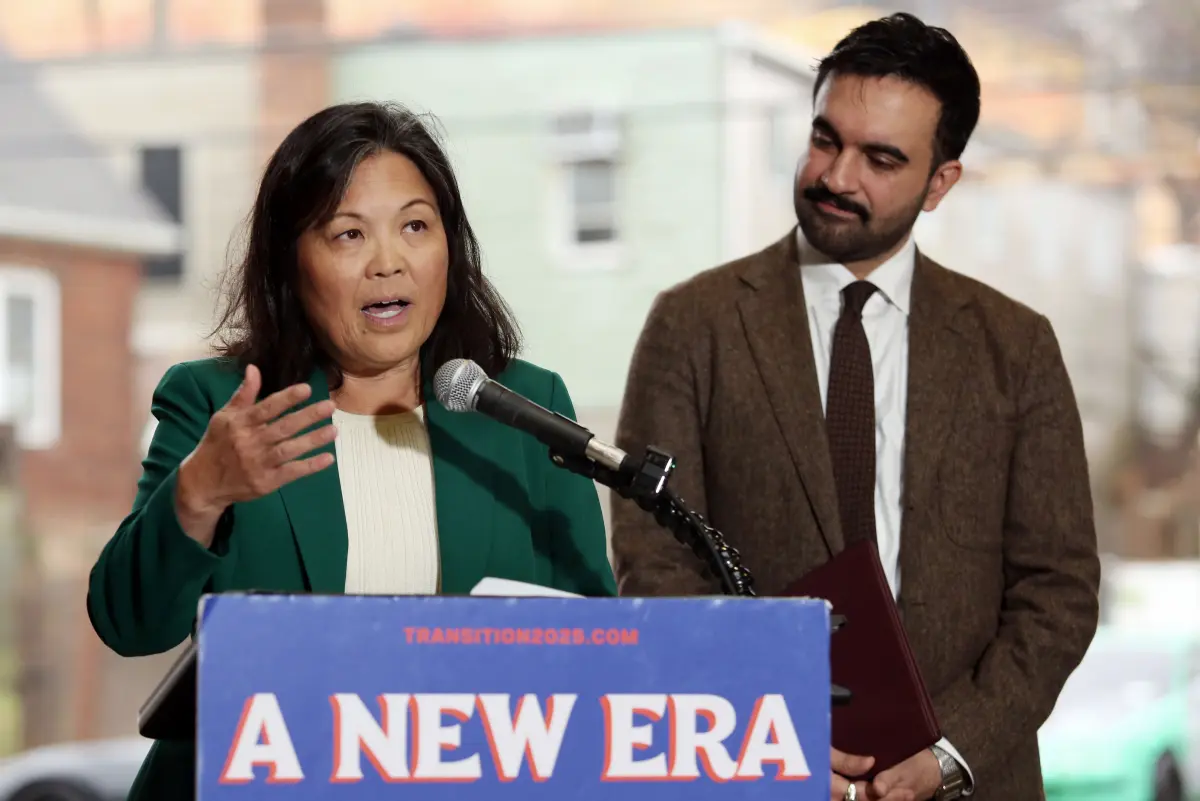
In a significant move to support the backbone of New York City’s economy, Mayor Zohran Mamdani has signed an executive order aimed at cutting red tape and reducing financial burdens for small businesses across the five boroughs. The initiative, announced on Wednesday, places Julie Su—former acting Secretary of Labor under President Biden—at the helm of this ambitious effort in her new role as Deputy Mayor for Economic Justice. This policy shift represents a recognition of the challenges faced by entrepreneurs who have long complained about the city’s complex regulatory environment, which can sometimes feel like navigating a labyrinth of fees, fines, and paperwork just to keep their doors open.
“You cannot tell the story of New York without our small businesses. Yet, our city has long made it too hard for these same businesses to open their doors, and to keep them open,” Mayor Mamdani explained in his statement, capturing the essence of the predicament faced by thousands of small business owners who contribute to the city’s vibrant economic and cultural landscape. The executive order sets in motion a comprehensive review of the regulatory framework that has been criticized for years as being overly punitive rather than supportive of the entrepreneurial spirit that has defined New York for generations. At its core, the initiative acknowledges that these businesses—from corner bodegas and family-owned restaurants to neighborhood hardware stores and local service providers—represent more than just commercial enterprises; they embody the dreams and livelihoods of New Yorkers who have invested everything into building something meaningful.
The practical mechanics of this initiative involve seven key city agencies, including the Fire Department, Department of Health, and Sanitation Department, which will conduct a thorough inventory of all fees and civil penalties currently imposed on small businesses. Within a tight 45-day timeframe, these agencies are tasked with identifying which financial burdens can be immediately reduced, signaling an urgency that many business owners will likely welcome after years of feeling that their concerns were secondary to bureaucratic processes. Following this initial assessment, the agencies will have 180 days to determine which fines are unnecessary or disproportionate, and whether they can be eliminated within 90 days through administrative action or if legislative changes will be required. This methodical approach demonstrates an understanding that meaningful reform requires both immediate relief and systematic reconsideration of how the city interacts with its business community.
Perhaps most intriguingly, the executive order contemplates the possibility of an “amnesty and relief” program for small business owners to be evaluated within a year. Such a program could potentially offer forgiveness for past violations or create pathways for businesses struggling with accumulated fines to find their way back to good standing without being crushed under the weight of penalties. While details about which businesses would qualify as “small” under this initiative remain to be clarified by the Mayor’s office, the mere consideration of such a program signals a shift in perspective—from seeing regulations primarily as enforcement mechanisms to viewing them as frameworks that should ultimately support business viability while protecting public interests. This balance has been difficult to achieve in practice, with many entrepreneurs feeling that the scales have tipped too far toward punitive measures that sometimes penalize minor infractions with consequences that threaten their very existence.
At an unrelated event in Brooklyn following the announcement, Mayor Mamdani emphasized the dual focus of the initiative: “We want to make it easier—not just to open the doors of a small business but also to keep them open.” This statement encapsulates the comprehensive vision behind the executive order, acknowledging that the challenges faced by entrepreneurs extend beyond the initial hurdles of establishment to include the ongoing struggle to remain operational amid rising costs, changing neighborhoods, and competition from larger entities with more resources to navigate regulatory complexities. By addressing both aspects, the administration is taking a more holistic view of what sustainability means for the small business ecosystem that gives New York City much of its distinctive character and provides employment for countless residents.
The executive order also includes provisions allowing the Deputy Mayor for Economic Justice to expand the scope of the initiative to include additional agencies beyond the seven initially specified. This flexibility recognizes the interconnected nature of the regulatory environment, where businesses often find themselves answering to multiple oversight bodies with sometimes overlapping or contradictory requirements. As this initiative unfolds over the coming year, its success will likely be measured not only by the number of fees reduced or regulations simplified but also by whether small business owners themselves experience a meaningful difference in their day-to-day operations and long-term planning. For many New Yorkers who have poured their savings, time, and dreams into their businesses, this initiative represents a potential turning point—a recognition that their contributions to the city’s fabric deserve not just acknowledgment but active support from the very government that has at times seemed more obstacle than ally in their entrepreneurial journey.